REVIEW · GUIDED
Rubalika Safari Lodge and Farm: Guided Trail Tour with Lunch
Coffee tastes better when you meet its growers. At Rubalika Safari Lodge and Farm in Kamwenge, Uganda, a 12-hour tour brings you through village paths, coffee fields, cocoa and vanilla plots, a botanical garden, and a working community farm. I like the hands-on farm activities, especially learning to hand-pollinate vanilla and making coffee from beans grown nearby. I also like the warm welcome, local meal, and traditional music and dance.
The main drawback is the long day and the amount of walking. You need to arrange your own transport to the lodge, and the route is not suitable for wheelchair users or people with mobility impairments. For a quiet, people-focused day outside the usual wildlife circuit, though, the $50 price offers a lot.
In This Review
- Key things to know before you go
- A slower side of Uganda near Kamwenge
- Walking through the village and community farms
- The botanical garden’s useful plants
- Vanilla and cocoa, crops that require patience
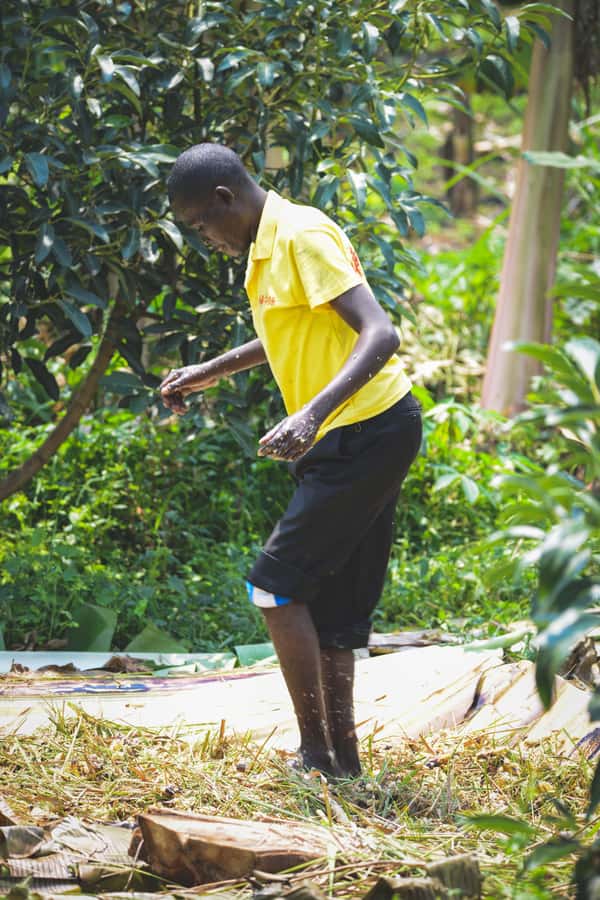
- Coffee from the field to your cup
- A generous Ugandan lunch in the farm setting
- Traditional music, dance, and local meaning
- What the $50 price really covers
- How the day fits with a Kibale visit
- Comfort, packing, and practical limits
- The small extras around the lodge
- Who should book the Rubalika farm tour?
- Should you book it?
- FAQ
- Where does the Rubalika farm tour begin?
- How long does the experience last?
- How much does the tour cost?
- Is transportation included?
- What language is the tour conducted in?
- What food is included?
- Are drinks included?
- Will I learn how vanilla is grown?
- Is the tour suitable for wheelchair users?
- What should I wear for the walk?
Key things to know before you go
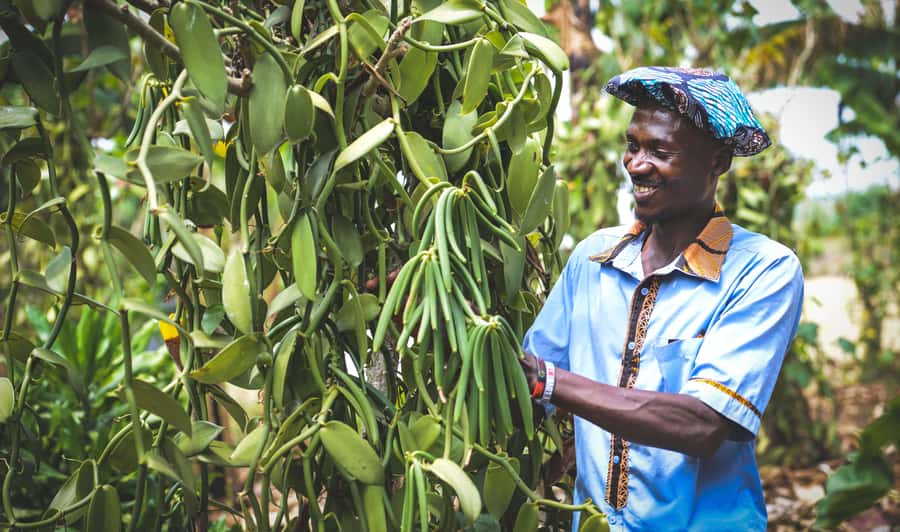
- Vanilla is pollinated by hand: You see why this crop takes patience and careful daily work.
- Coffee goes from bush to cup: You learn how it is grown and processed, then prepare your own drink.
- Lunch is part of the lesson: You help with a traditional Ugandan meal before sitting down to a generous feast.
- The botanical garden has a practical purpose: Plants are presented for their possible health benefits, not just their looks.
- Community income matters: Part of the walking fee goes back to the local community.
- Plan for a full day: The advertised duration is 12 hours, with about four hours devoted to the main village, farm, food, and cultural activities, followed by shorter coffee and scenic stops.
A slower side of Uganda near Kamwenge
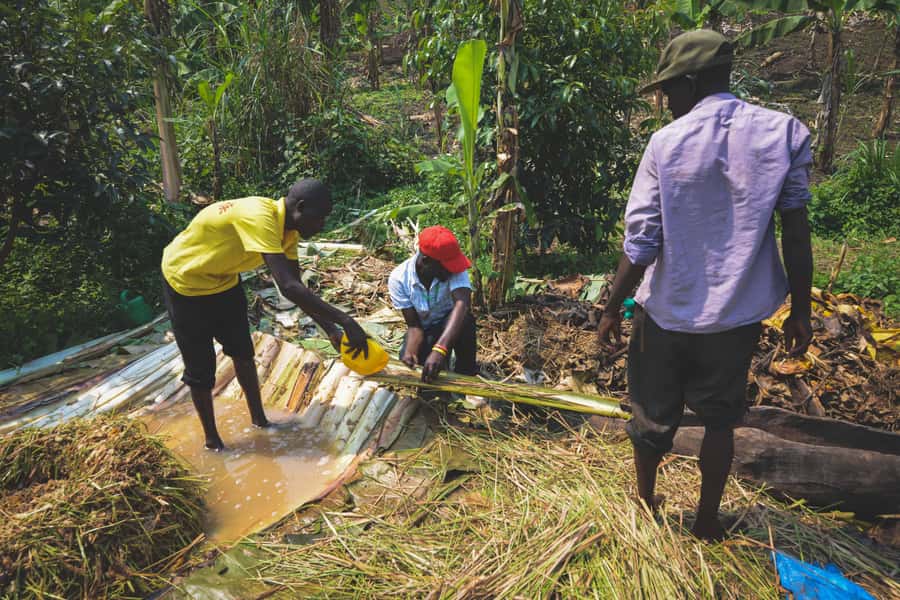
Rubalika Safari Lodge and Farm gives you a close look at everyday rural life near Kibale National Park. This is not a safari drive with a quick photo stop. You walk through community farms, meet local people, see domestic animals, and learn how several crops support families in the area.
The setting feels far removed from Kampala’s noise. Banana trees stretch across the fields, and the route follows natural surroundings near the lodge. You may also see signs of elephants that have crossed the river at Rubalika for many years, though this is not presented as an elephant-watching excursion. That distinction matters: you come here for farming, food, plants, and culture, not guaranteed wildlife sightings.
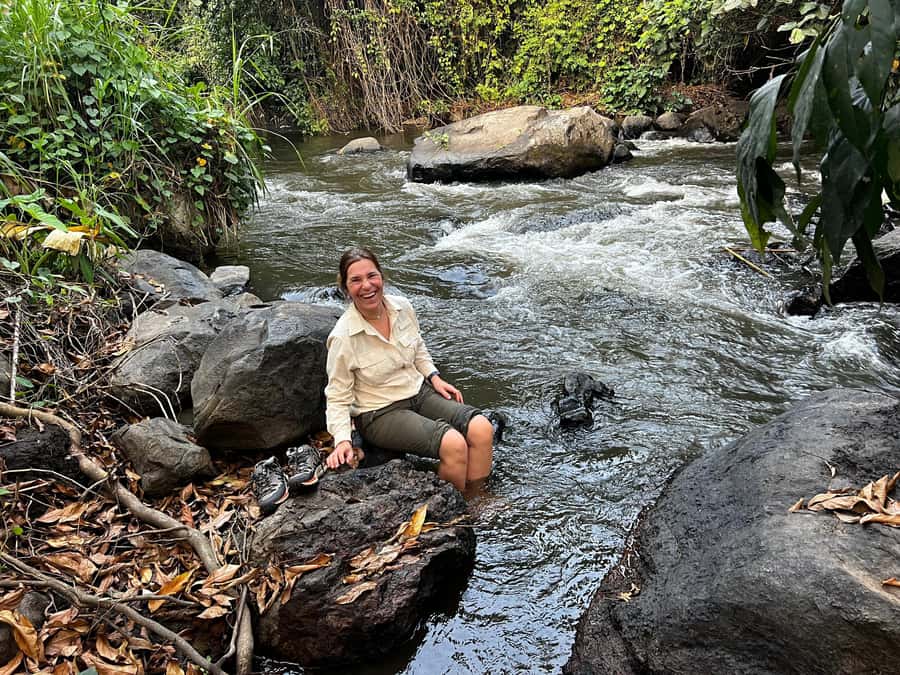
The English-speaking guide leads the walk and explains how the lodge connects with nearby farms. The pace should suit people who prefer conversation and observation over a packed schedule of attractions. You will want comfortable clothes, closed-toe walking shoes, sunscreen, a hat, and rain gear. Uganda’s weather can change, and this is an outdoor day.
More safaris:
- 3 Days gorilla trekking Safari tour in Uganda
★ 5.0 · 121 reviews - 8-Day Murchison Falls, Chimp and Epic Gorilla Trekking Safari
★ 5.0 · 72 reviews - 3 Days Murchison Falls Adventure Wildlife Safari Uganda Tour
★ 5.0 · 61 reviews
Walking through the village and community farms
The tour begins at Rubalika Safari Lodge and Farm. From there, your guide takes you through the lodge grounds, village areas, and community farms. The walk gives you a chance to see ordinary routines rather than a staged cultural display.
You may meet domestic animals and try milking a cow. That small activity helps explain the farm as a working place, not simply a backdrop for visitors. You should approach the village respectfully and ask before taking photographs. A camera is useful, but it should not replace good manners.
The farm walk includes coffee, cocoa, vanilla, bananas, cassava, and sweet potatoes. Seeing these crops together helps you understand how local agriculture works. One plant can provide a drink, another a cooking ingredient, and another a valuable cash crop. The variety also makes the walk more interesting than a single-crop plantation tour.
The route is not designed for visitors with mobility limitations. You should expect uneven ground, outdoor paths, and a fair amount of walking. Bring your own reusable water bottle. Unlimited water, herbal tea, and coffee are included, but carrying water while walking is still sensible.
The botanical garden’s useful plants
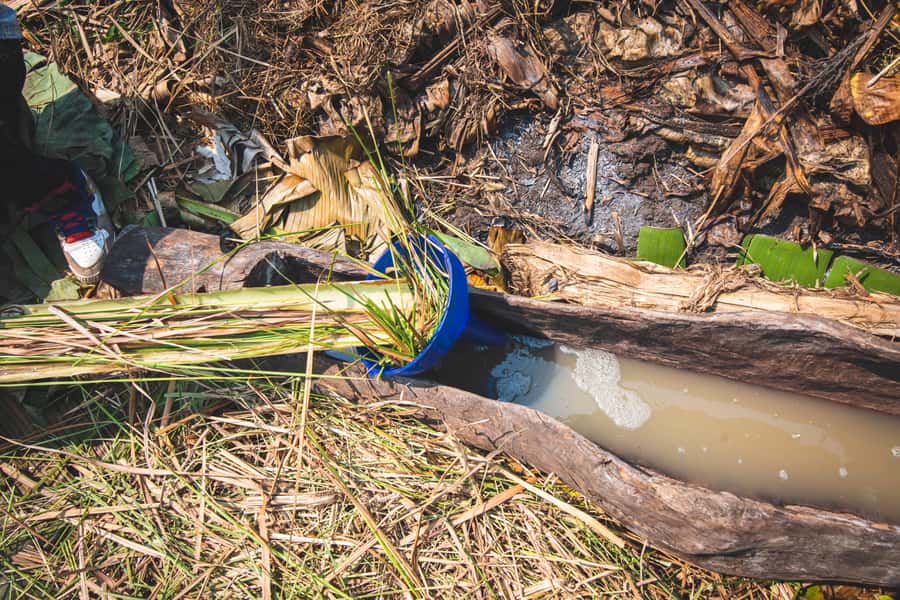
The Rubalika botanical garden focuses on the health benefits of plants. Your guide explains how certain plants are used and why they can have positive effects on health. This adds a useful layer to the usual garden visit, since you are learning about local plant knowledge rather than simply admiring flowers.
Keep an open mind, but also keep sensible boundaries. The tour offers information about plant benefits, not a replacement for medical advice. If you take personal medication, bring it with you and follow your normal treatment plan.
The garden also helps you notice how much local life depends on nearby vegetation. Food, medicine, shade, building materials, and income can all begin with plants. I find this one of the strongest parts of the tour because it connects the farm walk with the wider community.
Vanilla and cocoa, crops that require patience
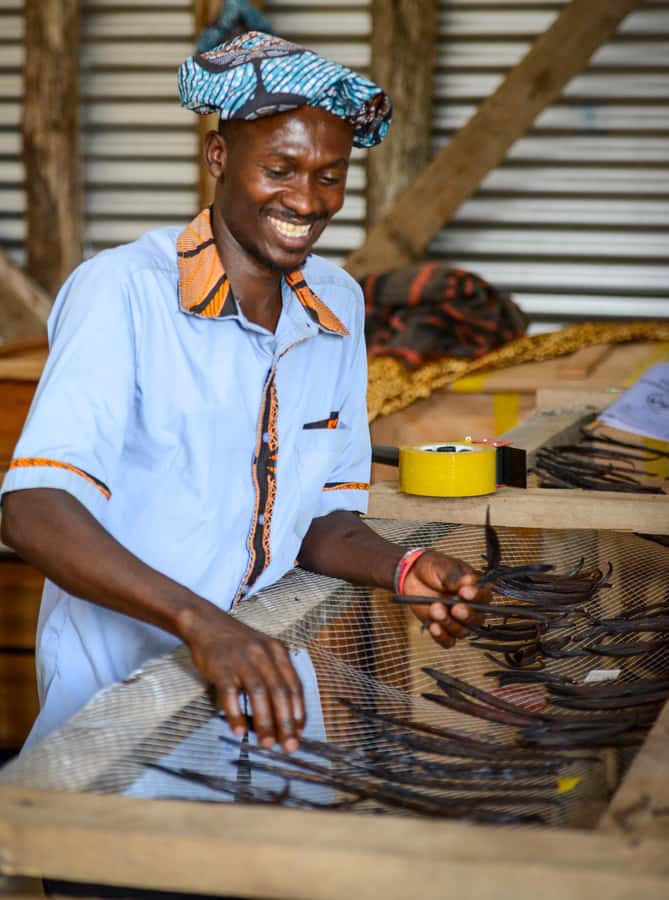
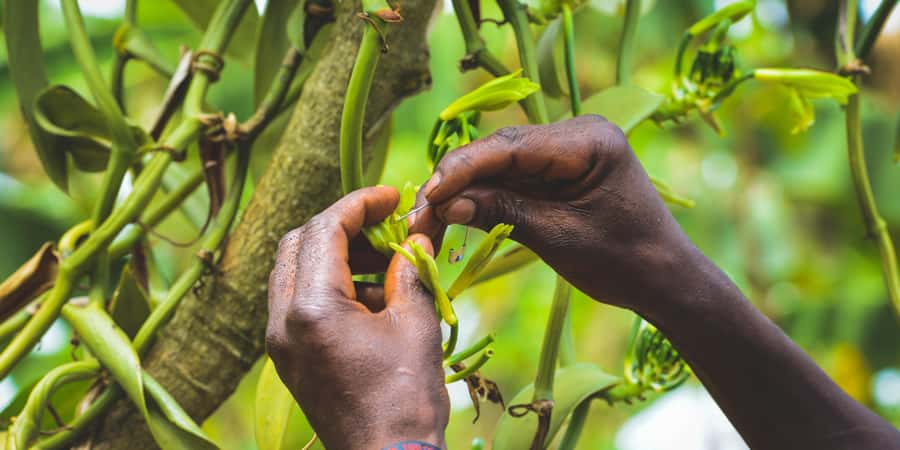
The vanilla lesson is one of the most unusual parts of the day. You learn why vanilla is expensive and why producing it requires intensive manual work. Vanilla flowers must be pollinated by hand, and the timing and care involved help explain the price of real vanilla.
You also learn how to care for a vanilla vine. This is a good reminder that a familiar flavor from a supermarket shelf can involve a great deal of careful labor long before it reaches a kitchen. The activity is practical and easy to remember because you see the plant and the technique together.
Cocoa receives its own introduction. The tour explains its cultivation and place among the farm crops. The supplied details do not promise a full chocolate-making workshop, so you should expect an agricultural lesson rather than a finished chocolate tasting.
Together, the vanilla and cocoa stops make the $50 fee easier to justify. You are not only looking at fields. You are learning why crops cost what they do and how farmers manage them.
A few more options to weigh up in Uganda
- 3 Hours Guided Cycling Tour Across Lake Victoria
★ 5.0 · 151 reviews - Kampala Walking City Tours (Women Guided)
★ 5.0 · 115 reviews - Kampala: City Guided walking sightseeing Tour
★ 4.7 · 52 reviews - Inside Kampala Walking Tour (Female Guided)
★ 5.0 · 52 reviews
Coffee from the field to your cup
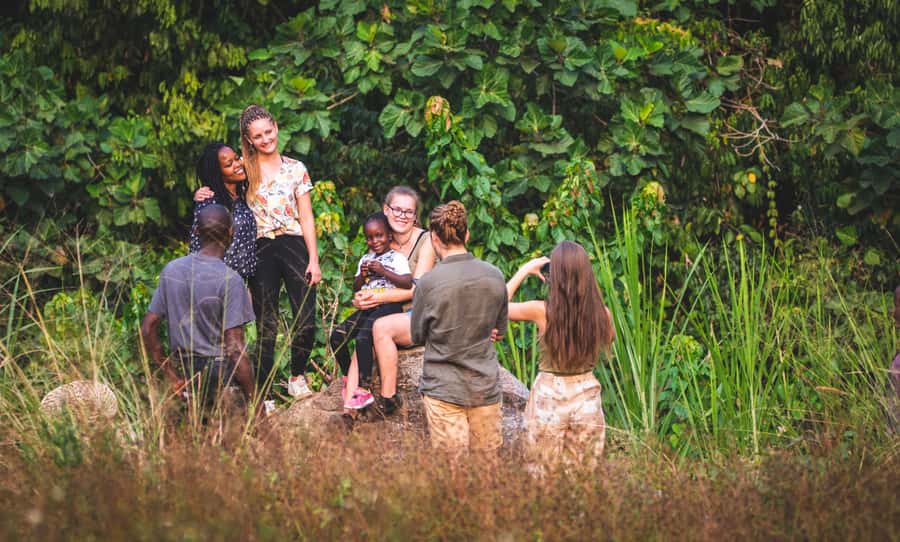
Coffee is the heart of the visit. You see how coffee grows, learn about processing, and make your own cup from beans produced in the area. That simple change of perspective can make your next morning coffee seem less automatic.
The coffee section includes a walk, scenic views, and coffee tasting. You get time to smell and taste the local beans, while the guide explains the connection between farm work and the final drink. The point is not a formal barista class. It is a direct introduction to the crop and the people who grow it.
This part works especially well for coffee drinkers who want more than a packaged souvenir. You can ask questions, watch the process, and enjoy the result in the same place where the crop is grown. Tea and herbal drinks are also available without an extra charge during the day.
The coffee stops appear more than once in the day’s schedule, with the main farm and preparation section followed by a shorter coffee-focused visit. This may feel repetitive if you expect constant change, but it gives the coffee theme enough time to make sense.
A generous Ugandan lunch in the farm setting
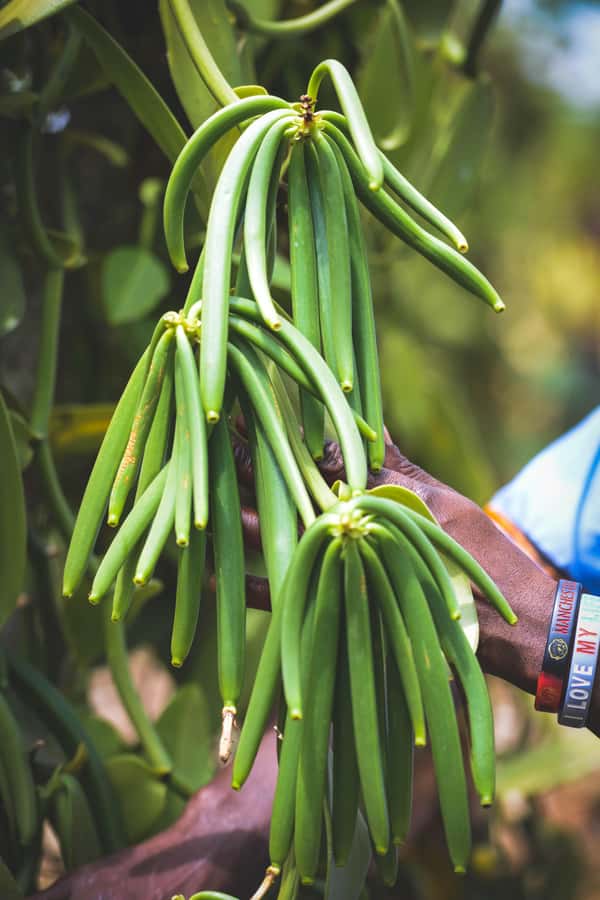
Lunch is not an afterthought. You take part in preparing a traditional African meal with a community member who specializes in foods from the Toro Kingdom and Uganda more broadly.
The meal can include chicken, beef, groundnut sauce, cabbage, and several side dishes. Fresh banana juice and local waragi may also be available, with explanations of how they are made. The exact meal can vary, so you should treat those foods as examples rather than a fixed menu.
The phrase jungle lunch describes the setting and style, not a wilderness survival exercise. The meal is presented as fine dining in a natural farm environment, with local cooking at its center. Helping prepare the food makes the meal more meaningful because you see the effort behind it.
You should tell the operator about dietary needs before the day if possible, though the supplied information does not specify special menus. Bring cash or a card for personal expenses, since those are not included in the tour price.
Traditional music, dance, and local meaning
Later in the day, a cultural group brings music, dance, and drama to the program. You learn about the instruments and the meaning behind dance movements used to express life events and important occasions.
This is more valuable than a short performance with no explanation. The activity gives you a chance to understand why the movements matter, not just watch people in costume. You may also be invited to try some dance steps.
The atmosphere is warm and social, but you should still treat it as a cultural exchange rather than a show created only for photographs. Ask before taking pictures in the village, and pay attention when the performers explain their traditions.
For many people, this will be the emotional high point of the day. The coffee and plant lessons are useful, but music and dance create a stronger sense of connection.
What the $50 price really covers
At $50 per person, this is a strong-value full-day activity if you want several experiences in one place. The fee includes the guided village and farm walk, botanical garden, vanilla and cocoa activities, coffee experience, domestic animal visit, cultural program, local food experience, lunch, and unlimited herbal tea, coffee, and water.
You also receive the benefit of a community-linked activity. Part of the proceeds from the walk returns to the community, which gives your spending a direct local purpose.
The price does not include transport to or from Rubalika Safari Lodge and Farm. That can change the final cost, especially if you need to arrange a private vehicle. Personal expenses are also separate. For a fair comparison, add your transport before deciding if the tour fits your budget.
The length is another part of the value. Twelve hours gives the program room for food, farming, coffee, and culture, but it can feel tiring. You should not book this as a quick add-on between two other demanding activities.
How the day fits with a Kibale visit
The schedule includes several stops around Kibale National Park, including scenic drives, photo stops, walking, coffee tasting, and the main farm and cultural activities. This makes Rubalika a useful choice if you are already staying near Kibale and want a non-wildlife day.
It does not replace chimpanzee tracking or a forest walk. Those are separate activities, and additional options such as chimpanzee tracking may be available through the lodge. Do not assume they are part of this $50 tour.
The short photo stop, listed at about 10 minutes, is a minor piece of the day. The longer section, about four hours, carries most of the food, farm, village, and cultural content. A further hour focuses on coffee, walking, and views.
Because transport is not included, confirm how you will reach the lodge and how you will return. The meeting point is simply Rubalika Safari Lodge and Farm, so you need to make your own way there.
Comfort, packing, and practical limits
Wear long pants and closed-toe shoes. Comfortable footwear matters more than fashionable clothing here. Sunglasses, a sun hat, sunscreen, rain gear, and a reusable water bottle are sensible choices.
You may also want a camera, binoculars, a power bank, cash, and a credit card. Bring personal medication and travel insurance details. The supplied requirements also mention an ID card or passport, a signed waiver, and a medical mask.
Swimming gear appears on the suggested packing list, but the tour description does not promise a swimming session. Pack it only if you have another planned water activity or the lodge confirms that swimming is available.
Littering is not allowed. That rule is basic but important in a community and farm setting. Carry wrappers back with you and leave the paths, river area, and fields as you found them.
The experience is not suitable for wheelchair users or people with mobility impairments. The walking route, farm ground, and outdoor setting make this a poor match if you need step-free access.
The small extras around the lodge
Rubalika has guest rooms, riverside seating with a grill, and massages with a scenic view. These details may matter if you are staying at the lodge rather than visiting only for the day.
They also give you reasons to slow down after the tour. A full day of walking, food preparation, and farm visits can leave you ready for a quiet seat by the river rather than another scheduled activity.
Do not count these extras as part of the $50 package unless the operator confirms it. They are useful possibilities around the lodge, but personal services and accommodation are separate from the included tour features.
Who should book the Rubalika farm tour?
I would recommend this experience to you if you like meeting local people, learning how food is produced, and taking part in simple practical activities. It suits coffee drinkers, amateur gardeners, food lovers, and anyone who wants a break from standard wildlife viewing.
Families with older children may also find the cow milking, coffee making, plant lessons, and dance activities engaging, provided everyone can manage the walking. The day offers enough variety to keep curious minds busy.
You may prefer another activity if you want a short, highly polished attraction, a guaranteed wildlife sighting, or an easy route with little walking. It is also not the right choice if you dislike communal meals, outdoor conditions, or cultural activities that ask you to participate.
Should you book it?
Book the Rubalika Safari Lodge and Farm tour if you want a full day of coffee, crops, local cooking, village life, and music near Kibale. The hand-pollinated vanilla, farm-to-cup coffee, and generous Ugandan lunch give the day real substance.
Before booking, confirm your transport, prepare for a long walking day, and ask about any food or mobility concerns. If you can handle those points, $50 buys a personal and useful look at rural Uganda, with money flowing back to the community and plenty of chances to do more than simply watch.
FAQ
Where does the Rubalika farm tour begin?
The tour begins at Rubalika Safari Lodge and Farm in Kamwenge, Uganda. You must make your own way to the lodge.
How long does the experience last?
The advertised duration is 12 hours. The schedule includes a main four-hour section, a one-hour coffee and walking section, and a short photo stop.
How much does the tour cost?
The price is $50 per person.
Is transportation included?
No. Transportation to and from Rubalika Safari Lodge and Farm is not included.
What language is the tour conducted in?
The live tour guide speaks English.
What food is included?
The experience includes a traditional local food experience and a jungle lunch described as fine dining. Possible foods include chicken, beef, groundnut sauce, cabbage, and other side dishes.
Are drinks included?
Yes. Unlimited herbal tea, coffee, and water are included. Fresh banana juice and local waragi may also be part of the food and drink experience.
Will I learn how vanilla is grown?
Yes. You learn about vanilla cultivation, caring for a vanilla vine, and hand-pollinating vanilla flowers.
Is the tour suitable for wheelchair users?
No. The experience is not suitable for wheelchair users or people with mobility impairments.
What should I wear for the walk?
Wear comfortable clothes, long pants, and closed-toe walking shoes. Sunglasses, a sun hat, sunscreen, rain gear, and a reusable water bottle are also recommended.
Just added in Uganda
- Wanale hill hike★ 5.0 · 1 review
- Uganda Equator Tour From Kampala To Kayabwe★ 5.0 · 4 reviews
- Uganda: 4-Day Murchison Falls National Park Safari★ 5.0 · 1 review
- Uganda: 3-Day Gorilla Experience from Entebbe★ 5.0 · 2 reviews
- Hot Springs Exploration and Hike Craters★ 5.0 · 6 reviews
- Uganda: 1-Day Murchison Falls Park Safari with Boat cruise★ 5.0 · 3 reviews
- 4 Hour Art and Craft Interactive Workshop★ 5.0 · 2 reviews
- Coffee Tour Experience★ 5.0 · 5 reviews
Guided, compared.
3 Hours Guided Cycling Tour Across Lake Victoria
Read our review →
7 Hours Guided Cycling Tour to Sezibwa Waterfalls
Read our review →
Free Female Guided Walking Tours Kampala (3 Hours)
Read our review →