
REVIEW · COFFEE EXPERIENCES
Coffee Tour Experience
Coffee tastes better when you make it yourself. This village-based experience near Sipi Falls shows you how Ugandan coffee moves from dry bean to cup, using a wooden mortar, a simple saucepan, and a small fire. I like the hands-on preparation and the chance to learn about coffee grown on the slopes of Mount Elgon. I also like that the visit connects coffee with local culture rather than treating it as just a tasting.
The price is a modest $15 per person, with coffee or tea and all fees included. The main consideration is transport: private transportation and accommodation are not included, so you need to arrange your own way to the meeting point. Weather may also affect the visit, and the listed duration is approximately one day and two hours and 30 minutes, which is worth confirming when you book.
In This Review
- Key points about the Sipi coffee experience
- Why this coffee tour feels different from a café tasting
- Starting at Discover Sipi near the Mount Elgon road
- The coffee story begins with Ethiopia and Mount Elgon
- Pounding dry beans with a wooden mortar
- Roasting the beans over a small fire
- Four coffee styles to compare
- Brewing a cup you helped prepare
- Village life, local stories, and the Sipi setting
- William and the value of a private guide
- Is $15 a fair price?
- Timing, weather, and who should book
- Should you book the Sipi coffee tour?
- FAQ
- How much does the coffee tour cost?
- How long does the experience last?
- Where does the coffee experience start?
- Where does the activity finish?
- Is transportation included?
- What happens if bad weather cancels the activity?
Key points about the Sipi coffee experience
- Pound, roast, and brew the beans yourself using traditional village equipment.
- Compare four coffee styles: red honey, yellow honey, natural, and semi-washed.
- Learn how coffee became a commercial crop through stories linked to Ethiopia, missionaries, and Indian merchants.
- Meet at Discover Sipi on the Mbale-Kapchorwa Road, with the activity ending at the same point.
- Enjoy a private experience for your own group rather than joining a large departure.
- Pay $15 per person for a practical cultural visit that includes coffee or tea and all fees.
Why this coffee tour feels different from a café tasting
A café tasting lets you sip the finished drink. This experience asks you to take part in the work first. You handle dry coffee beans, pound them in a wooden mortar to remove the husks, roast them over a small fire, and then take part in brewing.
That process matters because it makes coffee less abstract. You can see how much effort sits behind a single cup. The equipment is simple, but that is part of the point. Instead of watching a polished machine do everything, you get a direct look at an organic preparation method carried out in a village setting.
I especially like the link between the coffee and the surrounding Mount Elgon area. Coffee is one of the main cash crops grown on the mountain’s slopes, so this is not an isolated food demonstration. It connects farming, household work, trade, and daily life in the Sipi community.
The experience also gives you a chance to ask questions as the coffee is prepared. The information provided does not promise a formal plantation lecture or a large processing facility visit, so you should think of this as a small-scale cultural activity rather than an industrial coffee tour.
Other trips worth a look in Uganda:
- 3 Hours Guided Cycling Tour Across Lake Victoria
★ 5.0 · 151 reviews - Kampala’s Best Experience walking tour
★ 5.0 · 137 reviews - 3 Days gorilla trekking Safari tour in Uganda
★ 5.0 · 121 reviews
Starting at Discover Sipi near the Mount Elgon road
The meeting point is Discover Sipi, located on the Mbale-Kapchorwa Road in Sipi Falls, Tingey County, Kapchorwa District. The activity ends back at this same point.
That arrangement is useful if you are already staying in the Sipi Falls area or arranging several activities through Discover Sipi. It also keeps the plan simple: meet at one known place, take part in the experience, and return there afterward.
You will need to arrange your own transport because private transportation is not included. The location is near public transportation, according to the supplied details, but no exact pickup service, vehicle, or fare is provided. I would ask for clear directions before setting out, especially if you are arriving from Mbale or another part of Uganda.
The mobile ticket is practical. You can keep the booking on your phone instead of carrying printed paperwork. Confirmation is provided at the time of booking.
The coffee story begins with Ethiopia and Mount Elgon
The introduction includes a traditional story about coffee’s discovery in Ethiopia. In the tale, a goat noticed the sweet sap inside the coffee fruit and drew attention to the plant. The story then moves through an earlier period when people ate the fruit during famine and leisure before coffee became a commercial crop.
You will also hear about the role of missionaries and Indian merchants in the spread of coffee sales. Missionaries reportedly sent coffee to relatives as gifts, while Indian merchants helped introduce wider commercial trade.
This part gives the activity a useful human scale. Coffee is not only a drink or export product. It has moved through homes, farms, religious networks, trade routes, and family relationships. The story may be presented in a simple, local style rather than as a formal academic lecture, but it helps explain why coffee matters in the region.
I would listen for the parts that connect the broad story to the people around Sipi. The information supplied does not specify exactly how long the history talk lasts or which sites you visit during it. The main value lies in understanding the crop before you begin handling it.
Pounding dry beans with a wooden mortar
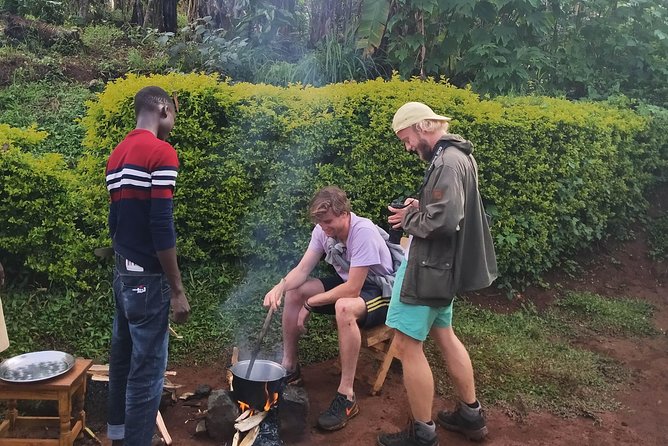
The practical work begins with dry coffee beans. You use a wooden mortar to pound them and remove the husks.
This is a small task, but it changes the way you think about coffee production. The beans do not arrive in your cup ready for a grinder. They need preparation, force, and patience. The mortar also gives you a direct connection to household methods that are easy to miss in a modern coffee shop.
You may find this part more physical than expected. Pounding beans is not difficult for most people, but it is still hands-on work, and the pace may be slower than a machine. That slower rhythm is useful. It gives you time to watch the process and understand each stage instead of rushing straight to the tasting.
Since the activity is private, your group can ask questions and work at its own pace more easily than in a large scheduled group. The provider states that most people can participate, and service animals are allowed.
A completely different kind of day:
- Lake Victoria Island Cycling Tour from Kampala
★ 5.0 · 120 reviews - Kampala Walking City Tours (Women Guided)
★ 5.0 · 115 reviews - Kampala Walking Tour (3 Hours) with Optional Gaddafi Mosque Visit
★ 5.0 · 112 reviews - 1 Day Sipi falls hike
★ 5.0 · 100 reviews
Roasting the beans over a small fire
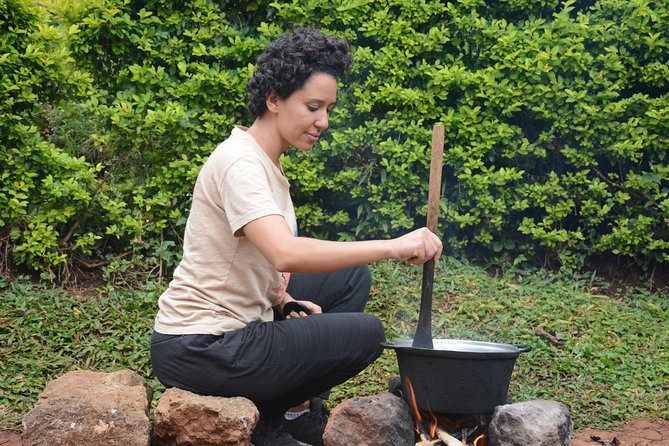
After the husks are removed, the beans are roasted using a dry saucepan and a little firewood. This is one of the most memorable parts because you can see and smell the change as the raw beans become coffee.
Roasting over a small fire is not the same as using a commercial roasting machine. Heat control is more basic, and the final result may vary from one batch to another. That is not necessarily a flaw. It shows you the skill involved in producing a consistent roast without expensive equipment.
I like this step because it keeps the focus on local methods. The experience does not pretend to be a specialty coffee laboratory. Instead, it shows how coffee can be prepared with tools that are available in a village home or small farm setting.
You should expect smoke, heat, and a rustic work area rather than a polished demonstration kitchen. The supplied details do not state whether seating, shade, or protective equipment is provided, so practical clothing and shoes are sensible. Avoid assuming that the roasting area will have the same comforts as a café.
Four coffee styles to compare
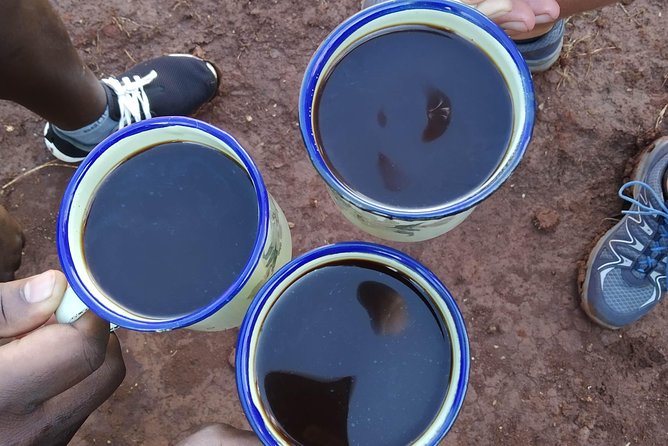
The tour offers four coffee options:
- Red honey coffee
- Yellow honey coffee
- Natural coffee
- Semi-washed coffee
These names refer to different ways coffee fruit and beans can be handled during processing. The supplied information does not give a separate tasting profile for each style, so you should ask the guide to explain how they differ before brewing.
That question can make the tasting far more useful. Rather than simply asking which cup tastes best, ask what happens to the coffee fruit, how much of it remains during drying, and how the process affects the finished drink. The guide can then connect the names to the steps you have just seen.
The words red honey and yellow honey may sound sweet, but they do not mean that sugar has been added to the cup. They describe processing styles. The natural and semi-washed options also offer a useful comparison between different approaches to preparing coffee beans.
You may not taste all four styles in a formal flight. The description says the experience has these options, but it does not state the exact number of cups or the serving format. If comparing varieties is important to you, ask what is included before arrival.
Brewing a cup you helped prepare
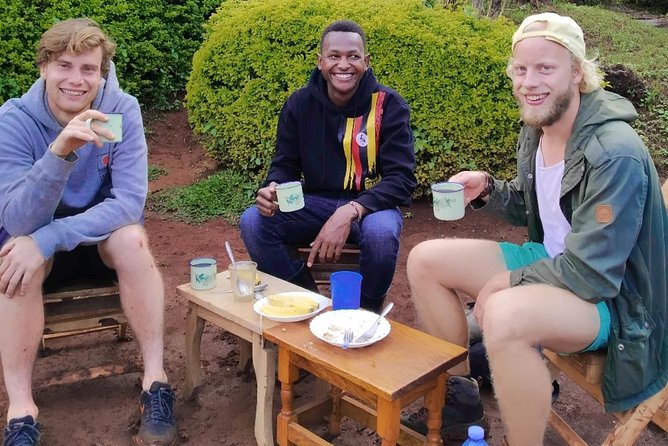
The final reward is coffee or tea, included in the $15 price. The strongest part of the experience is that you have taken part in the preparation instead of simply receiving a drink.
The coffee may taste different from what you normally order at home. The roast, grind, brewing method, and type of processing all affect the result. The experience is less about finding a perfect café-style cup and more about understanding how the ingredients and methods shape the drink.
I would pay attention to the aroma as much as the flavor. You have already seen the beans change during roasting, so the smell becomes part of the lesson. If you are not a coffee drinker, tea is included as an alternative, though the activity itself focuses mainly on coffee.
This is also a good point to ask about how local families prepare coffee and how the crop supports the area. The experience’s village setting gives those questions a natural place.
Village life, local stories, and the Sipi setting
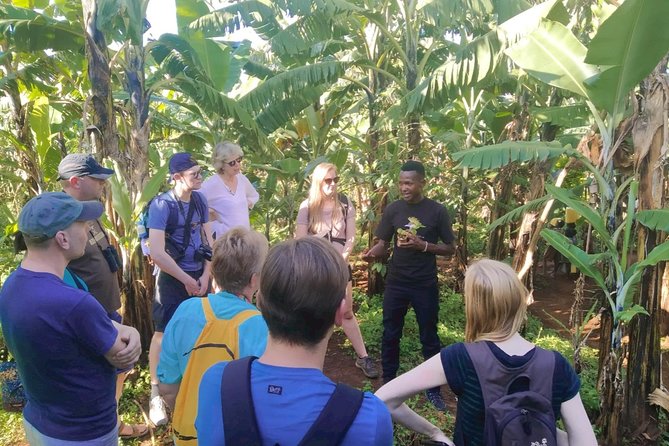
The coffee activity is based in a village setting rather than a large commercial attraction. That makes the visit feel connected to the Sipi community and local ways of life.
The wider experience can include village walks and stories about culture and lifestyle when combined with other activities. A morning waterfall hike and an afternoon coffee visit have also been arranged together, but you should not assume that a Sipi Falls hike is part of this $15 coffee experience. The listed coffee activity ends back at the meeting point and does not include private transportation or accommodation.
That distinction matters when planning your day. Sipi Falls, coffee, and abseiling can all be part of a larger visit to Kapchorwa, but they may be booked as separate activities. One visitor combined coffee with abseiling and praised guide William for being punctual, professional, and good at taking photographs. If you want several activities, ask Discover Sipi to confirm the schedule, price, transport, and what is included in each one.
The local setting also means the experience may feel informal. That is a benefit if you want direct contact and simple methods, but less so if you expect a large visitor center, detailed written displays, or a formal coffee laboratory.
William and the value of a private guide
William is the guide named in the available feedback, and he has led both coffee visits and other Sipi activities. He was praised for arriving on time, explaining the area well, handling visitors professionally, and taking good photographs.
Those details matter because a hands-on activity depends on clear instruction. You want someone who can explain the difference between pounding, roasting, and brewing without turning the visit into a rushed demonstration. A private booking also gives your group room to ask about coffee, farming, trade, and local customs.
The provider says only your group will participate. That is a strong feature for couples, families, and small groups with different interests. You can spend more time on the roasting or tasting, though the exact pace depends on the guide and your group.
The guide’s role goes beyond coffee. The available feedback also describes friendly staff and enjoyable village walks. Still, you should treat the coffee tour on its own terms. The strongest confirmed features are the coffee preparation, local setting, cultural explanation, and included drink.
Is $15 a fair price?
At $15 per person, the experience offers good value if you want participation rather than a quick sample. Your fee includes all fees and taxes plus coffee or tea. You are paying for a guided activity, local explanation, materials, and time spent preparing the drink.
The value is especially clear for someone interested in food, farming, or everyday life in Uganda. A basic beverage alone would not justify the price, but the preparation and cultural context add substance.
The price does not cover private transport or accommodation. If you are staying outside Sipi Falls, your total cost will be higher once you add local transport. You should also check whether any additional Sipi activities are priced separately.
I would compare this with the cost of a simple café visit only if you are focused on the drink. If you care about learning how coffee is handled and want to make part of it yourself, $15 is a reasonable outlay.
Timing, weather, and who should book
The listed duration is approximately one day and two hours and 30 minutes. That wording is unusual, so I would confirm the exact start and finish time when booking. It may be intended to describe a longer day program with the coffee activity included, or the platform may be combining duration fields.
The experience requires good weather. If poor weather causes cancellation, you are offered another date or a full refund. For that reason, keep some flexibility in your Sipi schedule, especially during a short visit.
Cancellation is free up to 24 hours before the start time. Cancel at least 24 hours ahead for a full refund. Cancellations or changes made within 24 hours are not refunded or accepted, based on the stated policy.
I think this suits you best if you:
- Enjoy coffee and want to understand how it is processed.
- Prefer small, private activities to large group tours.
- Like village settings and local stories.
- Are already visiting Sipi Falls or Kapchorwa.
- Want a low-cost cultural activity with active participation.
It may not suit you if you want a polished plantation tour, a guaranteed multi-coffee tasting flight, or transport included from your hotel. The details do not promise all of those features.
Should you book the Sipi coffee tour?
I would book it if you are in the Sipi Falls area and want a simple, personal introduction to Ugandan coffee. The wooden mortar, small-fire roasting, four processing options, and village setting give the visit more character than a standard coffee stop.
Before paying, confirm the exact duration, whether you will taste one style or several, and how to reach Discover Sipi. If you also want a waterfall hike or abseiling, ask for a separate plan rather than assuming those activities are included.
For $15, this is a strong choice for curious coffee drinkers, families, and small private groups. It offers the most value when you take your time, ask questions, and treat the cup as the final step in a farming and cultural story.
FAQ
How much does the coffee tour cost?
The price is $15 per person. All fees and taxes are included.
How long does the experience last?
The approximate duration is listed as one day, two hours, and 30 minutes. Confirm the exact timing with Discover Sipi when booking.
Where does the coffee experience start?
It starts at Discover Sipi on the Mbale-Kapchorwa Road in Sipi Falls, Tingey County, Kapchorwa District, Uganda.
Where does the activity finish?
The activity ends back at the meeting point at Discover Sipi.
Is transportation included?
Private transportation is not included. The meeting point is near public transportation.
What happens if bad weather cancels the activity?
If poor weather causes cancellation, you can choose another date or receive a full refund. You must cancel at least 24 hours before the start time for a full refund under the normal cancellation policy.
Just added in Uganda
- Wanale hill hike★ 5.0 · 1 review
- Uganda Equator Tour From Kampala To Kayabwe★ 5.0 · 4 reviews
- Uganda: 4-Day Murchison Falls National Park Safari★ 5.0 · 1 review
- Uganda: 3-Day Gorilla Experience from Entebbe★ 5.0 · 2 reviews
- Hot Springs Exploration and Hike Craters★ 5.0 · 6 reviews
- Uganda: 1-Day Murchison Falls Park Safari with Boat cruise★ 5.0 · 3 reviews
- 4 Hour Art and Craft Interactive Workshop★ 5.0 · 2 reviews
- 7 Days Fort Portal Culture Tour Western Uganda★ 5.0 · 6 reviews
Coffee Experiences, compared.

Browse the lists this tour appears in