
REVIEW · WORKSHOPS
Kampala: Hands-On Chocolate Making Experience
Chocolate starts as fruit here.
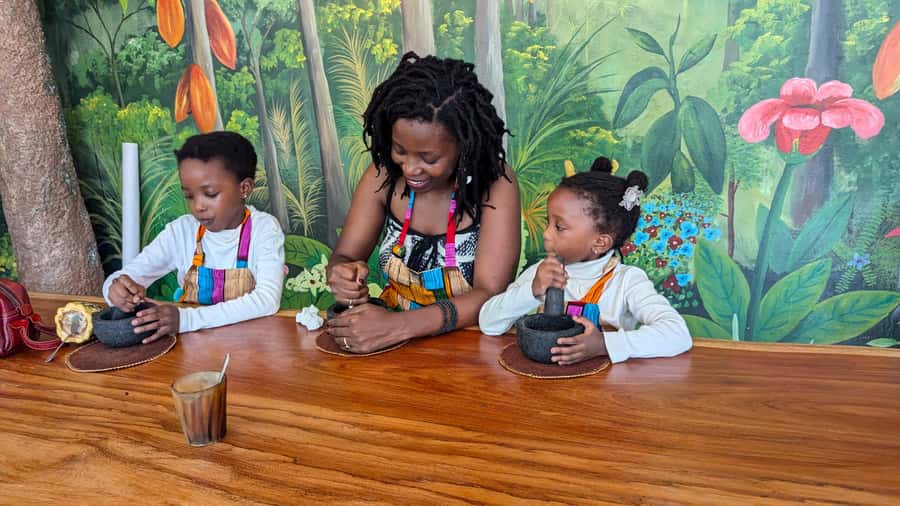
Moonbean Chocolate turns a familiar treat into a hands-on farm-to-bar lesson in just two hours. I like tasting the fresh cocoa pod before processing begins, and I like that you roast, winnow, grind, temper, mold, and take home your own bar.
The Aztec-style chocolate drink adds an unusual historical touch, while the garden makes cocoa farming easier to understand. My main caution is the location information: the activity is described as being in Mityana District, but the meeting point is listed at Moonbean Chocolate in Bugolobi, Kampala. Confirm the exact address before you go.
In This Review
- Key points at a glance
- Why this two-hour workshop is worth your time
- Finding Moonbean Chocolate in Bugolobi
- Starting with a cocoa pod in the garden
- Inside the chocolate processing room
- Making the Aztec-style chocolate drink
- Tempering and molding your chocolate bar
- The role of the facilitator
- Who will enjoy this most
- What to bring and what to skip
- Booking, timing, and value
- Should you book the Moonbean Chocolate workshop?
- FAQ
- How long does the Moonbean Chocolate workshop last?
- How much does the experience cost?
- Where does the activity meet?
- Is transportation included?
- Is the workshop conducted in English?
- What will I make during the session?
- Can I take the chocolate home?
- Are ingredients and equipment provided?
- Is the activity suitable for young children or people with allergies?
Key points at a glance

- Fresh cocoa pod tasting: You start with the fruit itself, including the sweet pulp around the raw beans.
- Cocoa garden walk: You see the farm stages before entering the processing room.
- Hands-on bean work: Roasting, winnowing, and grinding give you a practical view of how cocoa becomes chocolate.
- Aztec-style drink: You make and taste a traditional chocolate drink with a rich, spicy character.
- Your own chocolate bar: You temper chocolate, add toppings, pour it into a mold, and take it home.
- Small, guided format: Limited places and English-language facilitation make advance booking sensible.
Why this two-hour workshop is worth your time
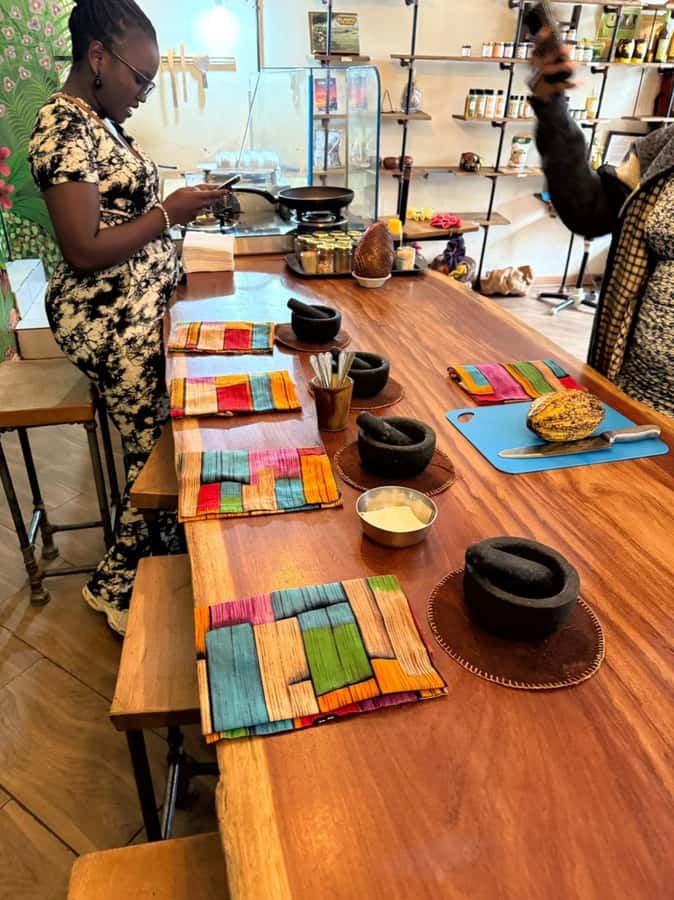
Many chocolate activities stop at tasting. This one lets you handle the ingredients and take part in the work. That difference matters because cocoa beans do not look or taste like the finished chocolate bar in your cupboard.
At $29 per person, the price is fair if you want more than a quick sample. You receive a guided garden visit, a processing-room tour, ingredients, equipment, an apron, a drink tasting, and a chocolate bar to keep. Transportation and food outside the session are not included, so the value depends partly on how easily you can reach the venue.
I especially like the balance between explanation and action. You are not simply standing beside a machine while someone else works. You select beans, help roast them, remove the husks, grind them, and shape chocolate yourself. It is a short workshop, but the sequence gives you a clear picture of the cocoa-to-chocolate chain.
The activity has a 4.9 rating from 18 posted ratings, with high praise for the fun, educational approach and the chance to take part in nearly every stage. That fits the design of the session: it is more practical than a standard café tasting and less formal than a long technical course.
A few more options to weigh up in Kampala
- 3 Hours Guided Cycling Tour Across Lake Victoria
★ 5.0 · 151 reviews - Kampala’s Best Experience walking tour
★ 5.0 · 137 reviews - 3 Days gorilla trekking Safari tour in Uganda
★ 5.0 · 121 reviews
Finding Moonbean Chocolate in Bugolobi
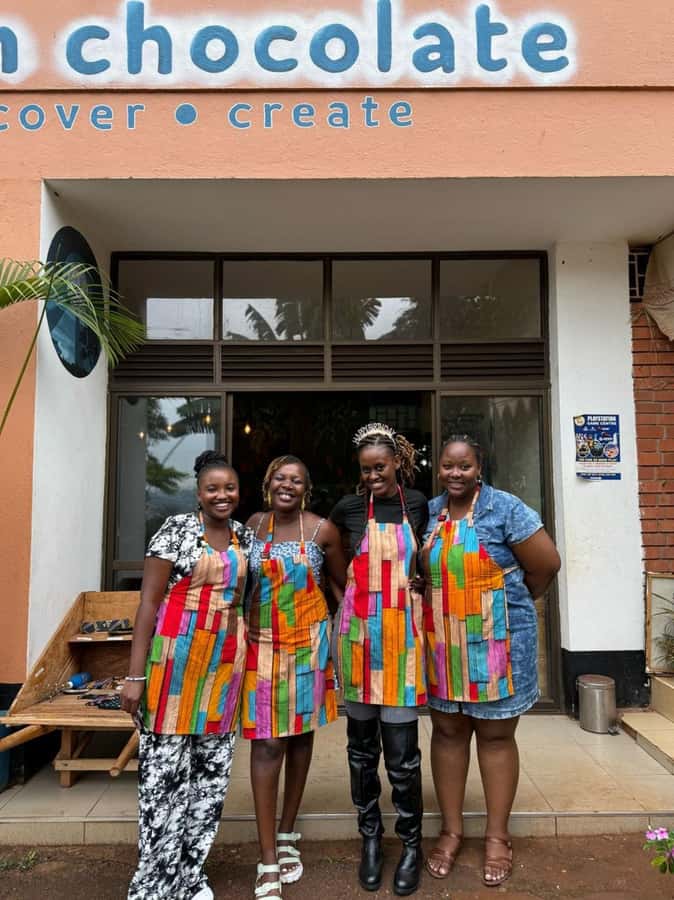
The stated meeting point is Moonbean Chocolate, Plot 71, Luthuli Avenue, Bugolobi, at The Dancing Cup Restaurant, opposite Union House. You should arrive at least 10 minutes early. That small buffer helps you find the right entrance, get settled, and put on the provided apron without cutting into your workshop time.
There is one detail I would verify before paying. The activity information also identifies Mityana District as the location, while the meeting point gives a Kampala address in Bugolobi. Those are not the same place. Check your booking confirmation and contact the provider if the location is not clear.
The Dancing Cup Restaurant is useful for a coffee or a pause before or after the session. One participant specifically found the café next door a good place to unwind. Since meals are not included, it can also be a practical place to buy something separately, though the chocolate session itself is the main event.
Transportation is not part of the $29 price. You will need to arrange your own way to the confirmed meeting point. Because the session lasts only two hours, a long or uncertain transfer could affect the value, so location checks matter here.
Starting with a cocoa pod in the garden
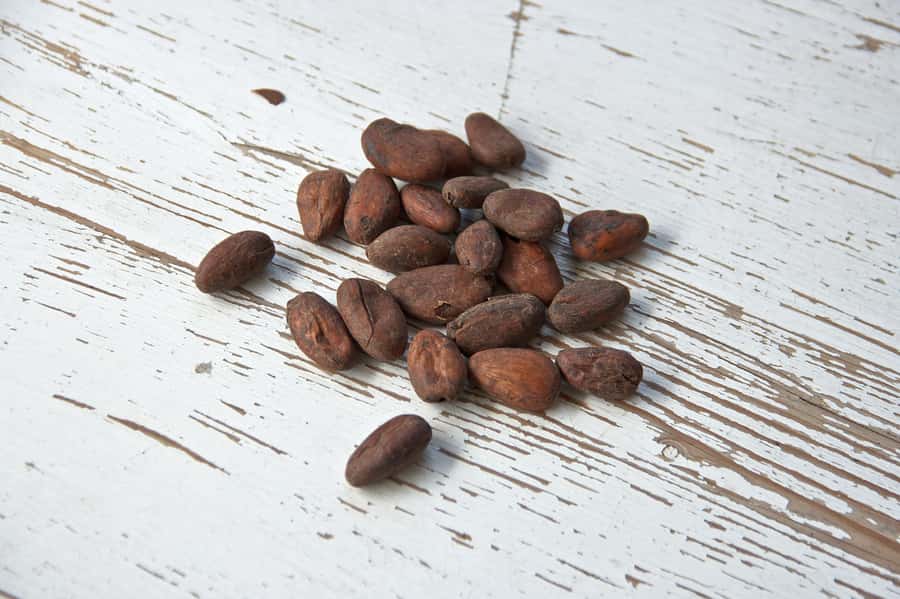
The workshop begins with a taste of a fresh cocoa pod. This is one of the best parts because it resets your expectations. Cocoa begins as a fruit, not as a brown, sweet bar. The raw pod and its beans give you a direct sense of where chocolate starts.
You then walk through a cocoa garden and learn about the stages of cocoa farming. The garden portion gives useful context before the machinery and tools appear. You can connect the fruit on the plant with the beans you will later roast and grind.
This part should appeal to families with older children, couples, and solo visitors who like food with a story. It also gives you something that a city chocolate shop often cannot: a view of the agricultural side of production.
The garden visit is educational rather than a full farm tour. The complete activity lasts two hours, so do not expect a long agricultural excursion. Its purpose is to explain the farm level and prepare you for the processing work that follows.
Inside the chocolate processing room
After the garden, you move into the chocolate processing room. Here, the focus shifts from growing cocoa to changing it into something you can eat.
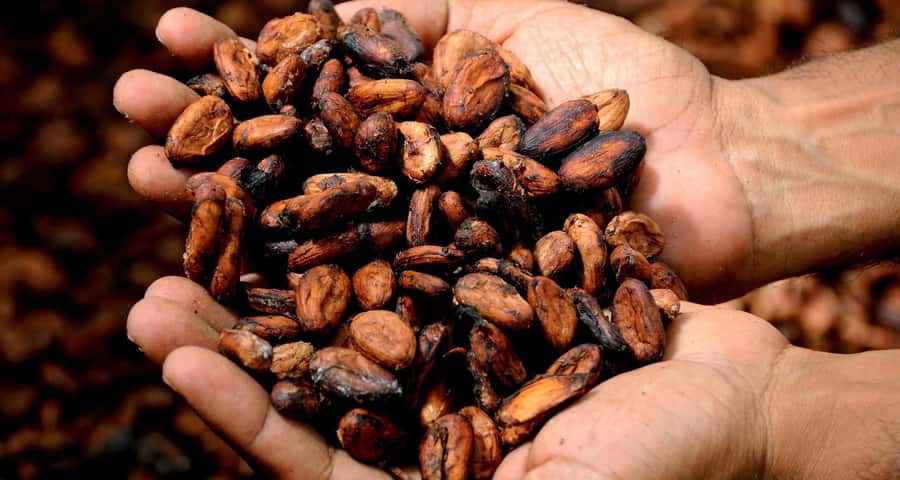
You begin by selecting cocoa beans. Then you work through roasting, winnowing, and grinding. Each step helps explain why chocolate has its final texture and flavor. Roasting develops the beans, winnowing removes the outer husks, and grinding turns the prepared cocoa into a smoother mixture.
The appeal is that you can taste and observe the changes rather than hearing a long lecture about them. The process has a natural rhythm: choose the beans, prepare them, remove what you do not need, then reduce them into chocolate.
You should wear comfortable clothing that can get dirty. An apron is provided, but chocolate making is still a hands-on activity. If you are hoping to leave in spotless clothes, wear something you do not mind marking.
The session includes all ingredients and equipment, so you do not need to bring specialist tools. A camera is worth packing, especially if you want pictures of the garden, the work stations, or your finished bar. The facilitator can help with photos and videos when the group is working.
A completely different kind of day:
- Lake Victoria Island Cycling Tour from Kampala
★ 5.0 · 120 reviews - Kampala Walking City Tours (Women Guided)
★ 5.0 · 115 reviews - Kampala Walking Tour (3 Hours) with Optional Gaddafi Mosque Visit
★ 5.0 · 112 reviews - Steve Kampala Walking tours (Airpals Safaris tour)
★ 5.0 · 89 reviews
Making the Aztec-style chocolate drink
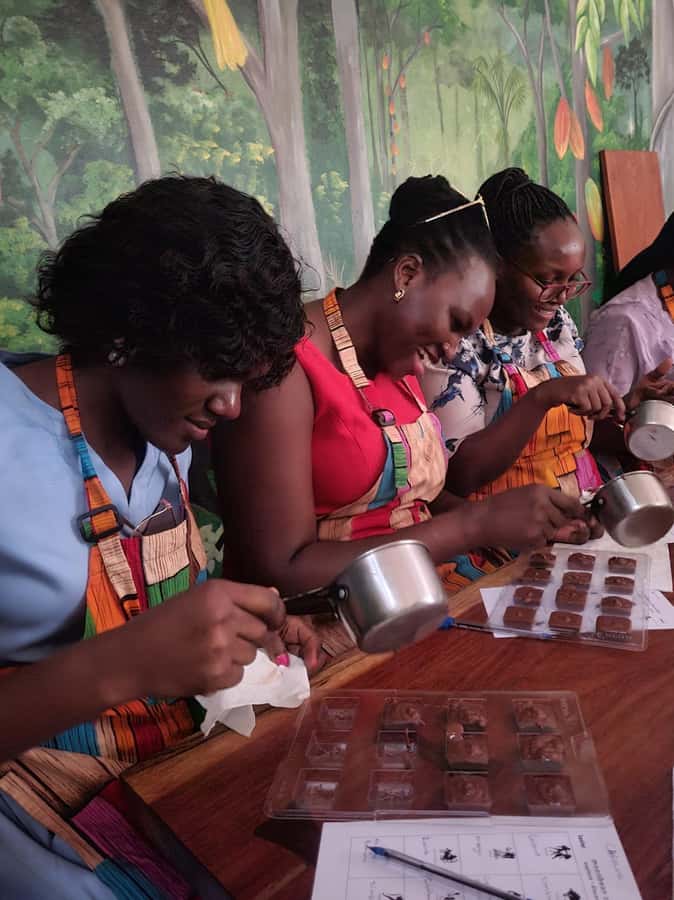
The drink section brings a different flavor to the workshop. You make a traditional Aztec-style chocolate drink and taste what you have prepared.
This is not just a sweet pause between tasks. It shows that chocolate has long been used as a drink, and that chocolate does not need to be treated like a candy bar. The description emphasizes a rich and spicy style, so you can expect a flavor profile different from hot cocoa made with sugar and milk.
I like this part because it connects technique with culture. You are not only learning how to process beans. You are also seeing one way earlier civilizations used chocolate before the modern bar became the standard form.
The drink is a tasting included in the session, not a replacement for a meal. If you are hungry, plan food separately. No meal is included beyond the items made and tasted during the workshop.
Tempering and molding your chocolate bar
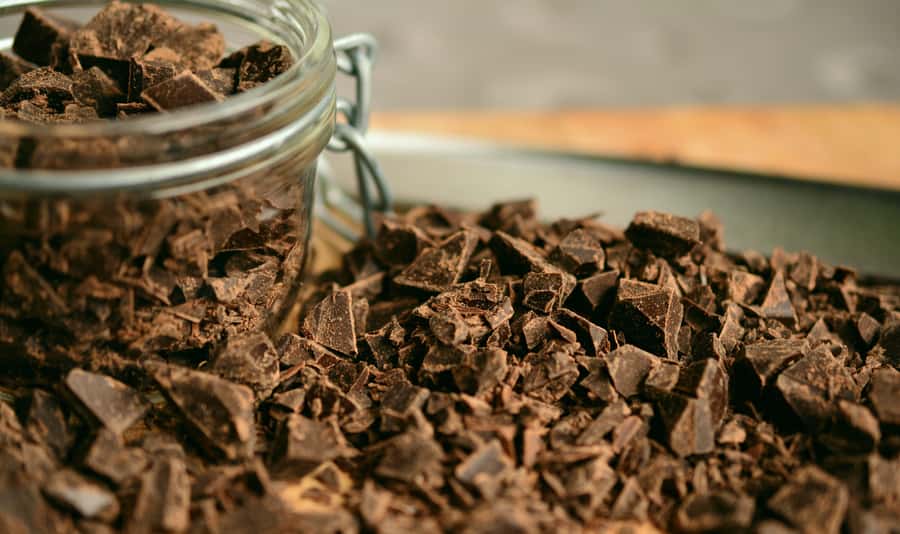
The final hands-on stage is where the workshop becomes personal. You temper the chocolate, pour it into a mold, and add your own toppings.
Tempering is an important step because it affects the finished chocolate’s texture and appearance. You do not have to be a skilled confectioner to take part, but you will need to listen carefully and follow the facilitator’s instructions. The point is not to create a perfect shop-quality bar. It is to understand how the chocolate is finished and to make something that belongs to you.
Adding your own toppings gives the activity a simple creative edge. You can make a bar that reflects your taste, then take it home after the session. One visitor used the finished chocolate to share the experience with friends, which is a practical reason to bring a small container or protective bag if you have one. The supplied information confirms that the chocolate is yours to keep, but it does not specify packaging or how long it takes to set.
This is also the part most likely to work well for couples and families with children old enough to follow instructions. Children under five are not suitable for the activity, and anyone with food allergies should not book it.
The role of the facilitator
The session is conducted in English, with professional facilitation. A participant singled out Joy for clear guidance through the chocolate-making process and for helping with photos and videos. If Joy is leading your session, you can expect a friendly guide who is comfortable explaining the steps and assisting while you work.
The teaching style appears to be practical and approachable. That suits the short format. You get enough explanation to understand the process, then you move on to the next task before the session becomes repetitive.
The limited number of places is another advantage. A small group should make it easier to handle the equipment and ask questions. The exact group size is not provided, so I would not assume private instruction. Still, advance booking is wise because places are limited.
Who will enjoy this most
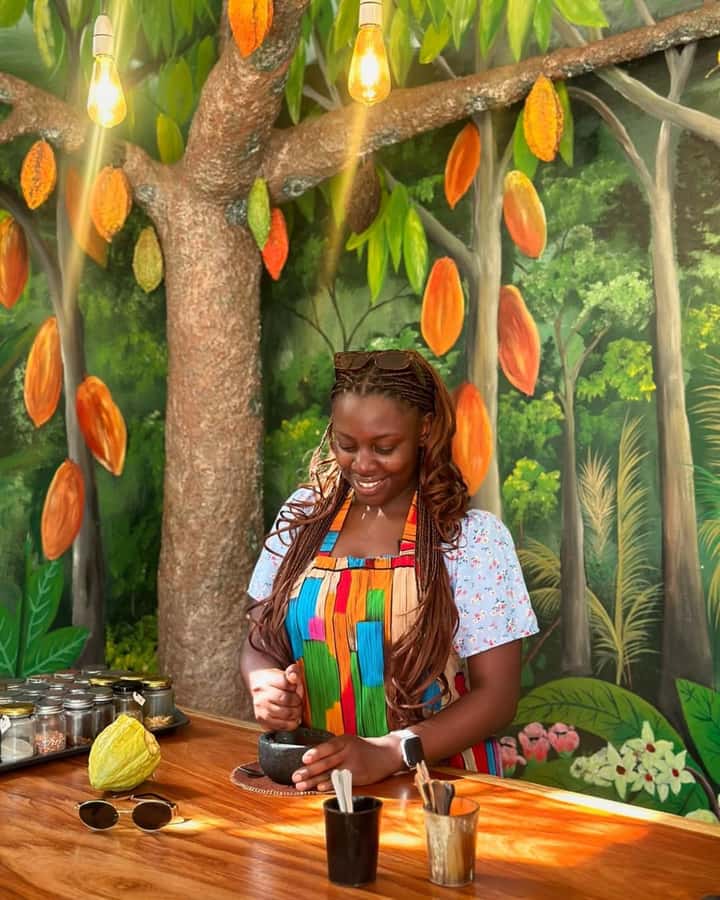
This is a good choice if you like food workshops, local agriculture, or activities that give you something to take home. It works especially well for:
- Couples wanting a shared activity that is more active than a restaurant visit
- Families with children aged five and older
- Solo visitors who enjoy learning by doing
- Chocolate fans curious about cocoa before it becomes a bar
- People looking for a short activity in Kampala
It may not suit you if you have food allergies, dislike messy practical work, or want a full meal and a long farm visit. The activity also includes tasting at several stages, so you should be comfortable trying cocoa products during the process.
The experience is not designed around luxury or polished presentation. Its appeal is the chance to handle real ingredients, ask questions, and see the stages for yourself. If that sounds more interesting than simply buying a bar, the format makes sense.
What to bring and what to skip
Bring a camera if you want photos of the garden and your finished chocolate. Wear comfortable clothing that can get dirty, and arrive 10 minutes before the stated start time.
You do not need to bring an apron, ingredients, or chocolate-making equipment. Those are provided. Pets are not allowed, and alcohol and drugs are prohibited.
Because transportation is excluded, bring whatever you need for your journey to the confirmed meeting point. The information does not state whether finished chocolate can be stored or carried in special packaging, so ask on arrival if you have a long trip afterward or warm weather concerns.
Booking, timing, and value
The workshop lasts two hours, with starting times dependent on availability. That makes it easy to fit into a Kampala day, but you should avoid scheduling another fixed activity too tightly afterward. Garden visits, questions, photos, and molding can all affect the pace.
The $29 price is strongest when you take part in every stage. You are paying for instruction, the garden and processing-room visits, ingredients, equipment, the Aztec drink, and your finished chocolate. It is not simply an admission ticket.
Cancellation is flexible up to 24 hours before the start time for a full refund. You can also reserve and pay later, which helps if your Kampala plans are still shifting. These terms reduce the risk of booking early, though you should still confirm the venue address because of the Mityana and Bugolobi location difference.
Should you book the Moonbean Chocolate workshop?
Book it if you want a compact, active food experience that explains cocoa from fruit to finished bar. The fresh pod tasting, garden walk, Aztec drink, and hands-on processing give the two hours a clear purpose, and you leave with chocolate you made yourself.
I would be more cautious if you are booking mainly for a farm visit, a full meal, or a polished chocolate-tasting menu. I would also confirm the address before setting out, since the supplied location details do not fully match.
For most chocolate fans, families with older children, couples, and curious solo visitors, this is a good-value Kampala activity. Wear clothes you can sacrifice to the chocolate gods, arrive early, and be ready to work with your hands.
FAQ
How long does the Moonbean Chocolate workshop last?
The workshop lasts two hours.
How much does the experience cost?
The listed price is $29 per person.
Where does the activity meet?
The meeting point is Moonbean Chocolate, Plot 71, Luthuli Avenue, Bugolobi, at The Dancing Cup Restaurant, opposite Union House. The activity information also mentions Mityana District, so confirm the exact venue before you go.
Is transportation included?
No. Transportation to and from the venue is not included.
Is the workshop conducted in English?
Yes. The professional facilitation is in English.
What will I make during the session?
You will make an Aztec-style chocolate drink and your own chocolate bar. You will also take part in selecting, roasting, winnowing, grinding, tempering, and molding the chocolate.
Can I take the chocolate home?
Yes. The chocolate you make during the session is yours to take home.
Are ingredients and equipment provided?
Yes. Ingredients, chocolate-making equipment, and an apron for use during the session are provided on-site.
Is the activity suitable for young children or people with allergies?
Children under five are not suitable for the activity. It is also not suitable for people with food allergies.
Just added in Kampala
- Uganda Equator Tour From Kampala To Kayabwe★ 5.0 · 4 reviews
- Uganda: 3-Day Gorilla Experience from Entebbe★ 5.0 · 2 reviews
- Uganda: 1-Day Murchison Falls Park Safari with Boat cruise★ 5.0 · 3 reviews
- Entebbe kampala airport transfers★ 5.0 · 3 reviews
- 3-Day Mind Refreshing in Murchison Falls National Park★ 5.0 · 4 reviews
- 3 Days Uganda Gorilla trek Safari Tour★ 5.0 · 4 reviews
- Weekend Package B★ 5.0 · 7 reviews
- Uganda 4 days Gorilla Trekking★ 5.0 · 3 reviews
Workshops, compared.
Cooking Class for Typical Ugandan Food in Kampala
Read our review →
Private Ugandan Food Cooking Class and Culture Experience
Read our review →
Browse the lists this tour appears in