
REVIEW · WALKING TOURS
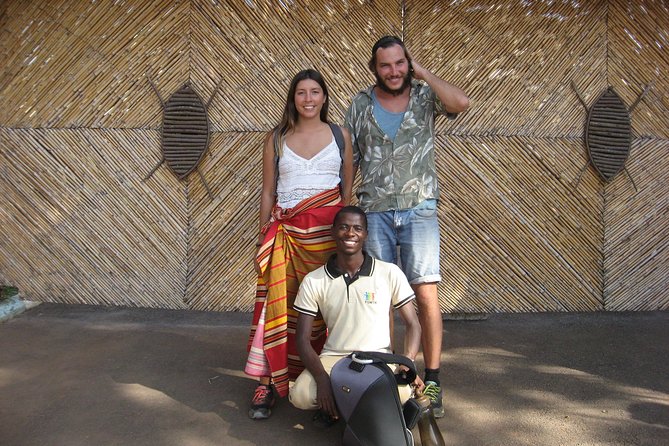
Steve Kampala Walking tours (Airpals Safaris tour)
Kampala rewards curious walkers. This half-day tour gives you a compact introduction to Uganda’s capital, moving from Makerere University and Katanga to markets, monuments, temples, and Namirembe Cathedral. I like the small group limit of 10 people, and I like the unusual mix of everyday city life and major landmarks. The main consideration is pace: you cover a lot of ground, and some stops are brief.
The tour is priced at $28 per person and usually runs in the morning or afternoon. Guides may include Steve, Getrude, or Ben, so the personality of your experience can vary. Most feedback is strongly positive, especially for the clear explanations, friendly help, and sense of safety. Still, one poor experience raises a fair concern: the walk may finish early, feel quiet between stops, or end abruptly if the guide is having an off day.
In This Review
- Key points to know before you book
- Why this Kampala walk is different
- Makerere University starts the story
- Katanga offers a difficult but important contrast
- Bagala Craft is your first shopping stop
- The Independence Monument explains modern Uganda
- Nakasero Market brings Uganda to the table
- The Hindu temple adds another layer
- Uganda’s wartime connection at the World War II Memorial
- Kampala Old Taxi Park is organized chaos
- Owino Market gives you a close look at trade
- Namirembe Cathedral ends the main route
- What the four-hour schedule feels like
- Guide quality is the main variable
- Is $28 a fair price?
- Who should book this walk?
- Final call: useful first orientation, with a few conditions
- FAQ
- How long does the Kampala walking tour last?
- How much does the tour cost?
- How many people can join the tour?
- Can I choose a morning or afternoon departure?
- Where does the tour begin?
- Where does the tour end?
- Are the stops free to enter?
- What is the cancellation policy?
Key points to know before you book
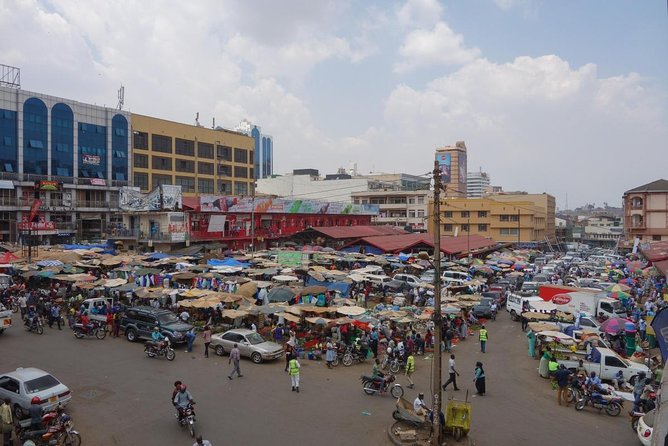
- The route shows everyday Kampala: You pass through a university, an informal settlement, produce markets, a taxi park, and a second-hand clothing market.
- The group is capped at 10 people: That makes questions and small adjustments easier than on a large city tour.
- The walk covers ten stops: Expect short visits rather than long museum-style time at any one site.
- Namirembe Cathedral gives you the best view: The hilltop setting offers a broad look across Kampala.
- The tour costs $28: That is reasonable if you value local explanation and help navigating places you might skip alone.
- The guide makes a big difference: Steve is often praised for history, safety, practical advice, and personal attention, while the exact guide may vary.
Why this Kampala walk is different
Kampala is not a city you understand by checking off a few grand buildings. Its character comes from contrasts: a university beside crowded housing, a formal monument beside noisy traffic, a fruit market beside a huge transport hub. This route tries to show those contrasts in four hours.
I like that it does not spend the entire outing on polished sights. You see Kampala through its working streets and trading areas. That can feel more revealing than a standard circuit of museums and religious buildings, though it also means you need to be comfortable with noise, crowds, uneven city conditions, and a direct look at poverty.
The tour is described as a walking experience, and the schedule is full. Several stops last only 10 or 15 minutes. You should think of this as a guided orientation rather than a slow photographic walk. It gives you a useful first map of central Kampala, then leaves you to return later to the places that interest you most.
More walking tours in Kampala:
- Kampala’s Best Experience walking tour
★ 5.0 · 137 reviews - Kampala Walking City Tours (Women Guided)
★ 5.0 · 115 reviews - Kampala Walking Tour (3 Hours) with Optional Gaddafi Mosque Visit
★ 5.0 · 112 reviews
Makerere University starts the story
The meeting point is the main gate of Makerere University. The group spends about 15 minutes walking through the university grounds, with no admission charge.
This is a smart starting point because the university helps place Kampala in a wider Ugandan setting. You are not beginning in a market or at a monument, but in an institution connected to education and public life. The short visit will not offer time to see every corner, so treat it as an introduction rather than a full campus tour.
From the gate, the route quickly shifts toward a very different side of the city.
Katanga offers a difficult but important contrast
The walk through Katanga takes about 20 minutes. Here, the guide presents a broader view of how different people live in Kampala.
This is likely to be one of the most memorable parts of the outing, but it requires respect. You are entering an area where daily life is on display, not a staged attraction. Listen to the guide, avoid treating residents as photographic subjects, and follow any instructions about pictures. The experience can be emotional and humbling, particularly if this is your first close look at informal urban housing.
The quality of the stop depends heavily on the guide’s care and explanation. A thoughtful guide can provide context and help you observe without gawking. A rushed walk with little commentary may feel uncomfortable and incomplete. If this part matters to you, ask questions and make clear that you want context, not just a quick pass through.
Bagala Craft is your first shopping stop
Bagala Craft is described as Kampala’s largest craft market, with souvenirs and handmade goods. The scheduled shopping time is about 20 minutes.
You will not have hours to compare every item, so use this as a first look at Ugandan crafts rather than your final shopping trip. If you see something you want, ask about the price and take your time before buying. The guide can help you understand where to look, but the tour schedule keeps this stop fairly tight.
I like having a market visit early in the route. It gives you a chance to see local goods before you spend the rest of your trip searching for souvenirs. If shopping is your main goal, though, 20 minutes may feel short.
A few more options to weigh up in Kampala
- 3 Hours Guided Cycling Tour Across Lake Victoria
★ 5.0 · 151 reviews - 3 Days gorilla trekking Safari tour in Uganda
★ 5.0 · 121 reviews - Lake Victoria Island Cycling Tour from Kampala
★ 5.0 · 120 reviews - 8-Day Murchison Falls, Chimp and Epic Gorilla Trekking Safari
★ 5.0 · 72 reviews
The Independence Monument explains modern Uganda
At the Independence Monument, the group sits for about 20 minutes to discuss Uganda before and after independence and the meaning of the monument.
This is one of the strongest stops for anyone who wants political and historical context. The point is not simply to photograph a statue. You get a chance to connect the monument with Uganda’s transition to independence and the changes that followed.
The sitting format is useful after several walking stops. It gives you time to listen and ask questions rather than trying to absorb a lecture while crossing a road. The best guides make this section conversational. Steve is often praised for explaining Kampala’s political and geographical background in a way that helps you understand the city beyond its visible streets.
Nakasero Market brings Uganda to the table
Nakasero Market is a short 15-minute stop where you can observe and taste different fruits. Uganda grows a large amount of its own food, and this market offers a quick look at that part of daily life.
Do not expect a full food tour. The schedule allows enough time for a sample and a glance at the produce, but not an extended meal or cooking demonstration. Still, this is a useful pause because markets reveal a city through ordinary needs: what people buy, how food is displayed, and how trade fits into the rhythm of the day.
It is also a good chance to ask your guide about foods you may want to try later. Keep your expectations practical. This is a brief market visit inside a much broader route.
The Hindu temple adds another layer
The Temple SSDM Shree Sanatan Dharma Mandal receives about 15 minutes. You go inside to see the architecture and beauty of the temple.
This stop adds religious and cultural variety to the tour. Kampala’s identity is not limited to one tradition, and the temple provides a visual change from markets, roads, and public monuments. The visit is short, so you should focus on the building and the guide’s explanation rather than expecting a long religious tour.
Dress and behavior should be respectful, especially when entering a place of worship. The supplied information confirms that the group goes inside, but it does not specify detailed visitor rules, so follow the guide’s directions.
Uganda’s wartime connection at the World War II Memorial
The World War II Memorial takes about 10 minutes. Here you learn how Uganda participated in the war, along with some of the positive and negative results.
This is a small stop with a worthwhile subject. Many visitors know little about Uganda’s role in global conflicts, so the memorial can correct a narrow view of the country’s past. Ten minutes is enough for a concise explanation, though not for a long historical lesson.
If you enjoy history, this is a place to ask follow-up questions. The walking tour’s wider value comes from these short connections: independence, wartime involvement, religion, food, education, and transportation all appear within one morning or afternoon.
Kampala Old Taxi Park is organized chaos
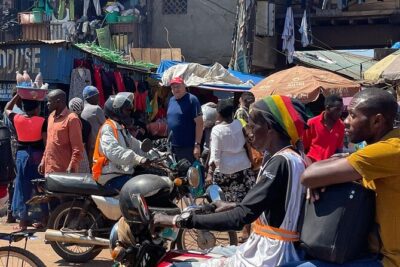
At Kampala Old Taxi Park, you spend about 10 minutes watching thousands of commuter taxis gather and compete for passengers.
This is one of the route’s most vivid city scenes. The taxi park shows Kampala as a place of movement and improvisation. You can observe the flow of vehicles and people without needing a long formal explanation, though the guide’s commentary helps you understand what you are seeing.
Stay close to the group here. The stop is brief, traffic is active, and the setting can feel hectic. One especially positive account singled out the bus station area as a highlight, which makes sense: it is a direct look at how the city moves.
Owino Market gives you a close look at trade
Owino Market, also called Kampala Market, is described as the city’s biggest market. It is especially known for second-hand clothes, though you can find many other goods there.
The scheduled visit lasts about 15 minutes. That is enough to get a taste of the market’s scale and purpose, but not enough to browse every section. You may see a side of Kampala that is difficult to find from a car window, which is one reason a local guide is useful.
This is also a place where the difference between a good and average tour becomes clear. A strong guide points out what matters, explains how the market works, and gives you time to look around. A quiet or hurried guide may make it feel like a simple walk-through. If you want more time here, ask before the tour begins if the route can be adjusted.
Namirembe Cathedral ends the main route
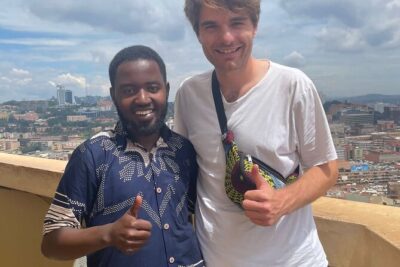
Namirembe Cathedral sits on a hill and offers a broad view of Kampala. The scheduled visit is about 10 minutes, and the first part of the outing ends here.
The viewpoint is a fitting final stop for the central walking route. After seeing markets, traffic, housing, and monuments at street level, you get a chance to look back across the city from above. It helps organize the many impressions you have gathered.
The time allowance is short, especially if you want photographs or a quiet look inside. The meeting information also says that a second part ends at Kasubi Tombs, but the provided stop list does not explain that section or include its timing. Confirm the exact ending and route with the provider before booking if Kasubi Tombs is important to you.
What the four-hour schedule feels like
The advertised duration is approximately four hours, with morning and afternoon departures. Ten stops sound generous, but most are short, so the experience moves quickly. You may spend more time walking between places than the stop lengths suggest.
That structure works well if you have limited time in Kampala and want a first orientation. It is less suitable if you prefer long visits, extended photography, or detailed time in each market. One account reported a three-hour finish instead of four, with quiet stretches and an abrupt ending. That appears to be an individual shortfall rather than the stated plan, but it is worth keeping in mind.
Wear practical walking shoes and bring water. This advice is based on the route’s length and city setting, not on a promise of special facilities. You should also be ready for busy streets and a changing pace.
Guide quality is the main variable
Steve receives especially warm praise for his history explanations, patience, safety-conscious approach, and practical help. One person said he helped resolve an Uber problem and waited until the ride was on its way. Another appreciated his suggestions for getting around Kampala and his recommendation of 2K’s restaurant.
The guide may not always be Steve. Getrude and Ben are also named as guides, and both are praised for being friendly, informative, and helpful. If you have a specific guide in mind, ask whether that person is leading your departure.
Most importantly, ask questions. This tour is strongest when it becomes a conversation about Uganda, not a memorized speech. One low rating described the commentary as repetitive and the market and slum visits as rushed. You can improve your chances of a better experience by telling the guide what interests you, asking for context at each stop, and speaking up if you need a slower pace.
Is $28 a fair price?
At $28 per person, the value depends on what you want from a city walk. You are paying for a local escort through places you might not choose alone, a small group of no more than 10, historical explanation, and help making sense of Kampala’s transport, markets, communities, and landmarks.
The price is fair if you use the guide actively. Ask questions, request clarification, and take advantage of local advice. If the tour becomes mostly silent walking and rushed stops, the value drops quickly because many locations are free to enter.
The experience has a 4.9 rating from 89 reviews and a 99 percent recommendation rate, which points to consistently strong performance overall. Still, no guide-led outing is identical every day. The lone detailed low rating is useful because it identifies the exact risks: a three-hour finish, flat delivery, limited explanation, and an abrupt goodbye.
Free cancellation is available up to 24 hours before the start time. Cancellations inside that window are not refunded. Poor weather or failure to reach the minimum group size may lead to another date or a full refund.
Who should book this walk?
I would choose this tour if you are visiting Kampala for the first time, want a local overview, and prefer ordinary city life to a list of formal attractions. It suits you especially well if you want political background, market scenes, transport culture, and a direct look at contrasting neighborhoods in one outing.
It is also a good choice if you feel unsure about navigating central Kampala alone. The small group and guide support can make unfamiliar areas easier to approach, and the practical advice may help with the rest of your stay.
I would be more cautious if you want a slow, polished sightseeing tour. The itinerary is packed, the visits are brief, and the experience may vary with the guide. Anyone with physical limitations should communicate that in advance. One person received notable flexibility from Steve, but you should not assume every adjustment is automatic.
Final call: useful first orientation, with a few conditions
I recommend booking Steve Kampala Walking Tours if you want to see Kampala as a working city rather than simply pass between major monuments. The strongest features are the varied route, small group, city views, and local guidance.
Book it near the start of your stay so you can return to Nakasero Market, Bagala Craft, or another area that catches your interest. Before setting out, confirm the guide, the full four-hour timing, and whether Kasubi Tombs is part of your departure. If those details are clear and you take part in the conversation, $28 is a sensible price for a useful introduction to Kampala.
FAQ
How long does the Kampala walking tour last?
The tour is scheduled to last approximately four hours. The route includes ten stops, though each visit is generally brief. One reported experience finished after three hours, so confirming the expected timing before departure is sensible.
How much does the tour cost?
The listed price is $28 per person.
How many people can join the tour?
The group has a maximum of 10 travelers.
Can I choose a morning or afternoon departure?
Yes. The tour offers both morning and afternoon options.
Where does the tour begin?
The meeting point is at the main gate of Makerere University in Kampala, Uganda.
Where does the tour end?
The first part ends at Namirembe Cathedral on Cathedral Hill Road. The meeting information also refers to a second part ending at Kasubi Tombs, but the exact details of that section are not provided.
Are the stops free to enter?
Each listed stop shows free admission. The tour price does not include personal shopping or other purchases.
What is the cancellation policy?
You can cancel at least 24 hours before the start time for a full refund. Cancellations or changes made less than 24 hours before the start time are not refunded or accepted. If poor weather or an insufficient number of participants cancels the experience, you will be offered another date or a full refund.
Just added in Kampala
- Uganda Equator Tour From Kampala To Kayabwe★ 5.0 · 4 reviews
- Uganda: 3-Day Gorilla Experience from Entebbe★ 5.0 · 2 reviews
- Uganda: 1-Day Murchison Falls Park Safari with Boat cruise★ 5.0 · 3 reviews
- Entebbe kampala airport transfers★ 5.0 · 3 reviews
- 3-Day Mind Refreshing in Murchison Falls National Park★ 5.0 · 4 reviews
- Weekend Package B★ 5.0 · 7 reviews
- 3 Days Uganda Gorilla trek Safari Tour★ 5.0 · 4 reviews
- Uganda 4 days Gorilla Trekking★ 5.0 · 3 reviews
Walking Tours, compared.

Kampala Walking Tour (3 Hours) with Optional Gaddafi Mosque Visit
Read our review →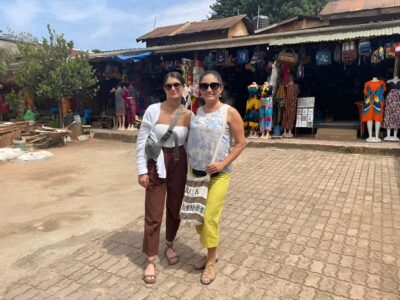

Entebbe Walking Tour (3 Hours) with Zoo and Botanical Gardens Options
Read our review →Browse the lists this tour appears in