
REVIEW · UGANDA
Kampala/Gulu: Traditional African Hut Building & Painting
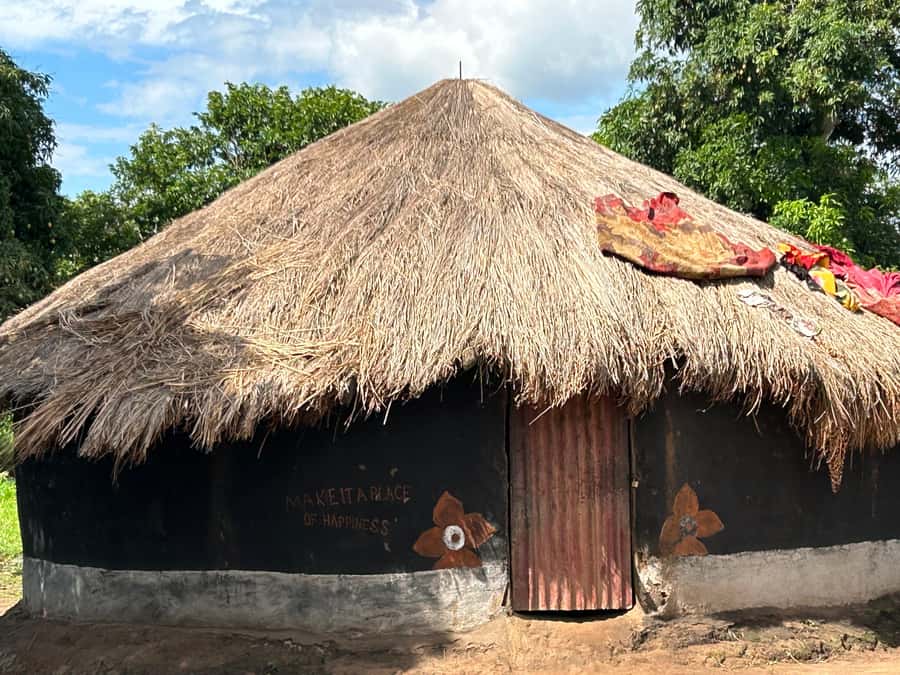
Get your hands dirty in Uganda. This is a rare chance to do more than look at rural life from a vehicle. You help gather natural materials, make bricks, build or roof a traditional African hut, paint it, fetch water, work in the garden, and cook local food with a community family. I especially like the practical work and the chance to learn local languages, customs, historical stories, and totems from people who live them.
I also like that guide Carol gives you room to try the tasks yourself instead of turning the visit into a quick photo stop. The main consideration is that this is active, hands-on work, not a polished sightseeing tour. You may get dusty, sweaty, and tired, and the exact route depends on the option and location you book.
In This Review
- Key points to know before booking
- Why this hut-building experience feels different
- Choosing between Kampala, Gulu, and Pakwach
- Starting with materials from the field
- Building, roofing, and painting the hut
- Fetching water, gardening, and cooking
- Learning language, stories, and totems
- Markets, shops, and the Kampala comparison
- What the three to four hours really include
- Is $26 a fair price?
- Who will enjoy this most?
- Practical advice for a smoother visit
- Should you book the traditional hut-building tour?
- FAQ
- Where does the traditional hut-building experience take place?
- How long does the activity last?
- What activities are included?
- Is the tour available in English?
- What should I bring?
- Is the experience suitable for wheelchair users?
- Can I cancel or pay later?
Key points to know before booking
- Traditional hut construction: Help collect materials, create bricks, build, roof, or paint a hut.
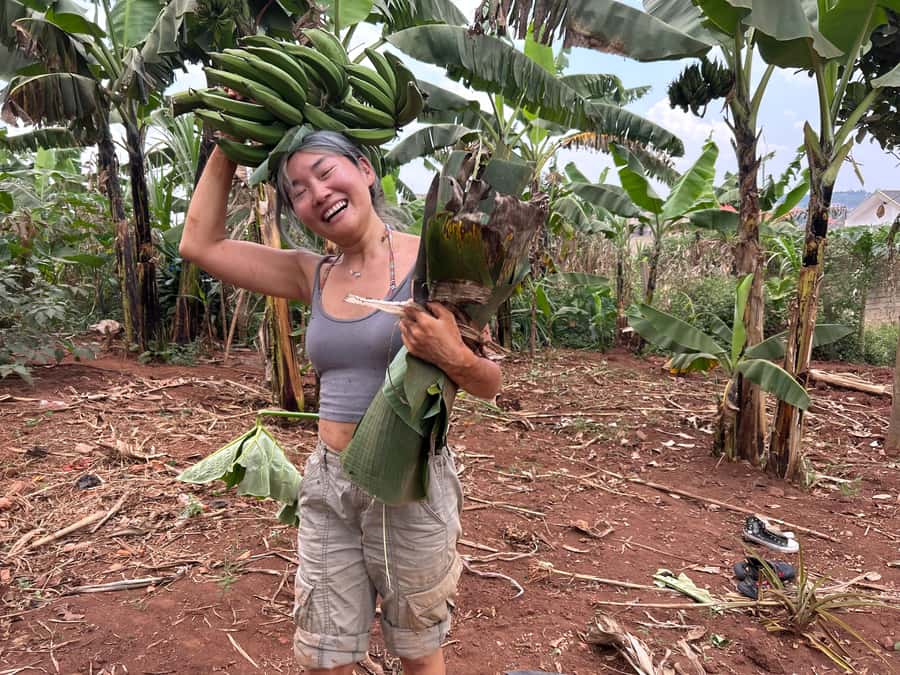
- Real village tasks: Fetch water, gather food from the garden, and take part in cooking.
- Local guidance from Carol: English-language guidance connects daily work with traditions, language, stories, and totems.
- Three current locations: The activity can be arranged in Kampala, Gulu, or Pakwach, with the main tour information tied to Mityana District.
- More than a rural visit: You may also walk through markets, shops, food stalls, and nearby neighborhoods, depending on your selected option.
- Good value at $26: For three to four hours of guided, participatory activities and local food, the price is modest, though transport and the exact inclusions depend on the option.
Why this hut-building experience feels different
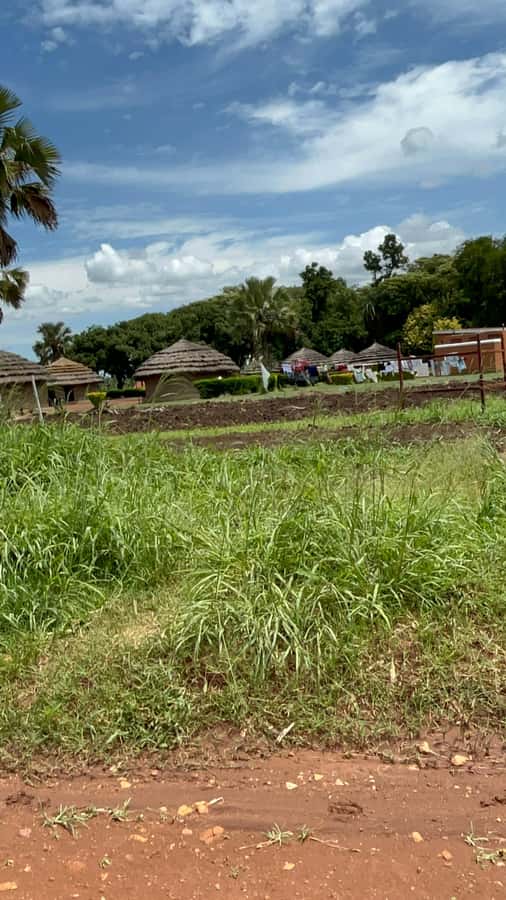
Many cultural activities place you on the edge of daily life. You watch a dance, take a few pictures, eat lunch, then leave. This one asks you to take part. You may handle soil, collect materials from the field, carry water, pick food, and help prepare a traditional meal.
That difference matters. A hut is not simply a picturesque building. It reflects local materials, practical skills, family life, and the work needed to maintain a home. By helping with several stages, you get a clearer sense of the labor behind rural housing.
The tour also links construction with ordinary village routines. You are not only learning how a hut is painted or roofed. You are seeing how gardening, water collection, food preparation, markets, and social contact fit together.
I would not book this expecting a quiet, air-conditioned outing. The attraction is the work itself. One useful piece of advice is to avoid white clothing. Soil, paint, garden work, and building materials are part of the day, so comfortable clothes are the sensible choice.
Other trips worth a look in Uganda:
- 3 Hours Guided Cycling Tour Across Lake Victoria
★ 5.0 · 151 reviews - Kampala’s Best Experience walking tour
★ 5.0 · 137 reviews - 3 Days gorilla trekking Safari tour in Uganda
★ 5.0 · 121 reviews
Choosing between Kampala, Gulu, and Pakwach
The experience currently has three possible location sites: Kampala, Gulu, and Pakwach. The supplied tour details also identify Mityana District, so you should confirm the precise site, meeting point, and route before paying. The starting point changes with the option you choose.
Kampala is the most convenient choice if you are based in Uganda’s capital. The city option can include street food, local snacks, a food market, shopping, guided walking, and sightseeing. It may also include a traditional dance show and views along the way.
This makes Kampala useful if you want to combine rural-style cultural activities with city life. You can compare traditional housing and community routines with shops, markets, and more developed urban areas. The tradeoff is that a Kampala program may feel less rural than a visit farther from the city.
Gulu and Pakwach offer alternatives for people already visiting northern Uganda. The information provided does not give a separate step-by-step schedule for each town, so I would ask exactly which activities are available at your chosen site. The main promise remains the same: gather materials, work on a hut, interact with local people, and share food.
The booking options matter. One option focuses on actual hut-building activities. Another, called the slum gem option in the supplied information, offers a neighborhood walk and passes traditional housing sites but does not necessarily involve the same construction work. Read the option names and prices carefully before selecting a date.
Starting with materials from the field
The day begins at the agreed pickup or meeting location, depending on your booking choice. You then move into the community and nearby fields to collect raw materials.
This first stage is important because it shows that construction starts long before anyone lifts a brush or places a roof. You get to see where useful materials come from and meet people as you gather them. The process gives the guide a natural opening to explain local building traditions and the reasons certain materials are used.
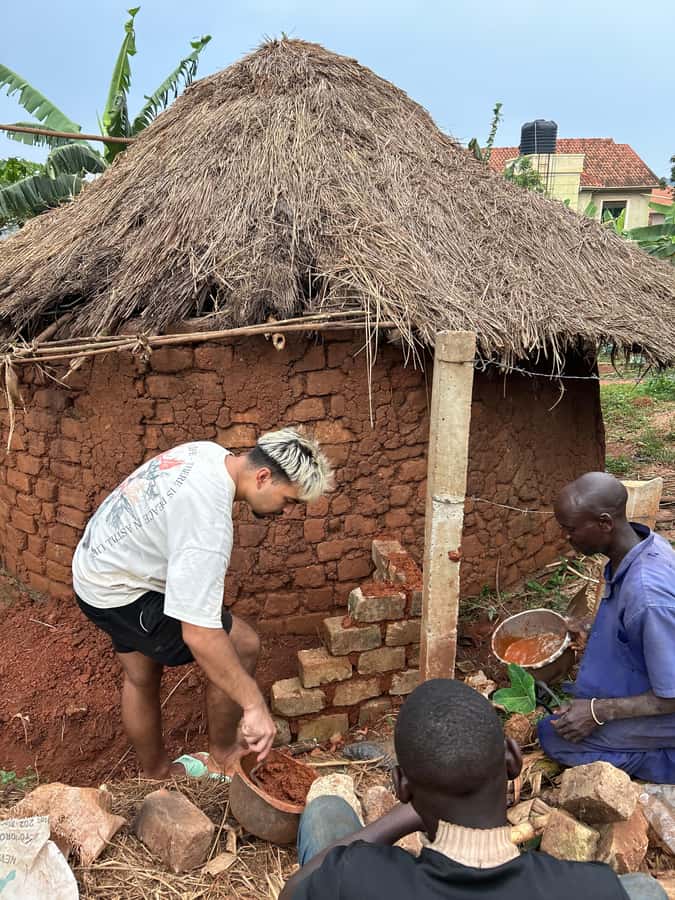
The work can include collecting soil and creating bricks. One person described making bricks, gathering food from the garden, shopping for groceries, and cooking traditional dishes as part of the day. That combination makes the activity feel broad rather than limited to one construction demonstration.
Do not expect a fast, tidy workshop. The value comes from the physical process. You may handle earth and carry materials, so clothing and footwear should be chosen for practicality. Bring water, sunscreen, insect repellent, and a hat.
Building, roofing, and painting the hut
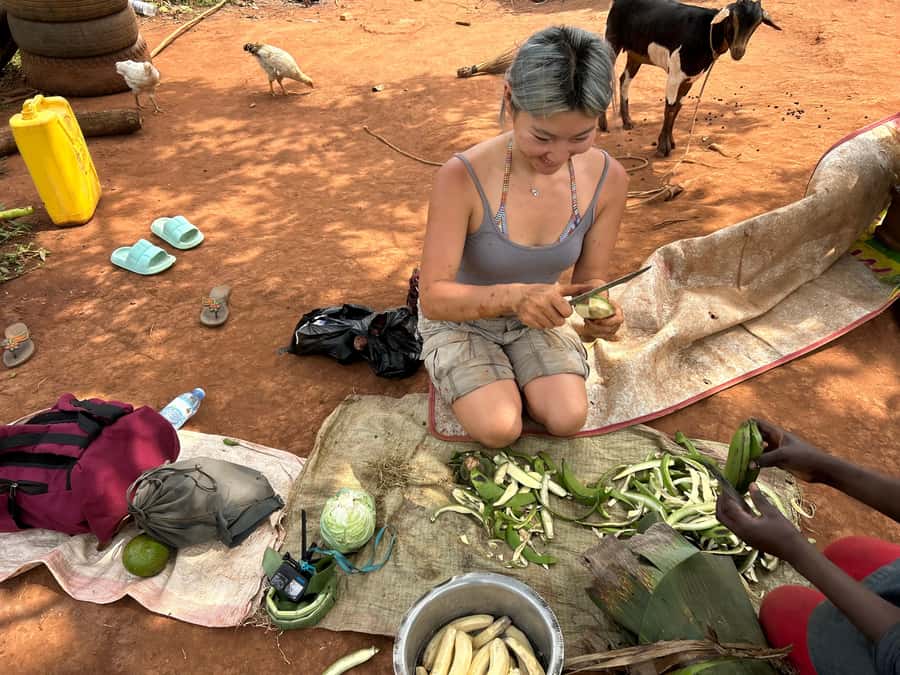
Once the materials are gathered, you go to a selected setting and begin the construction work. Depending on the option booked, you may help build, roof, or paint the hut. The activity description presents these as hands-on tasks, not simply demonstrations.
The construction stage is likely the main reason to choose this tour instead of a standard neighborhood walk. You get to understand the scale of the work by taking part. Even if you only complete part of the process, the physical effort changes how you see the finished structure.
Painting adds a creative part to the day. It also helps you notice how a traditional hut can be both practical and decorative. The exact painting designs and building methods are not specified, so I would let the local people lead rather than assume that every site follows the same pattern.
The roofing portion may be more physical and may not suit everyone. The activity is not suitable for wheelchair users, and anyone with limited mobility should ask about the current site before booking. The tour information does not provide details about seating, bathroom access, or the precise ground conditions.
A completely different kind of day:
- Lake Victoria Island Cycling Tour from Kampala
★ 5.0 · 120 reviews - Kampala Walking City Tours (Women Guided)
★ 5.0 · 115 reviews - Kampala Walking Tour (3 Hours) with Optional Gaddafi Mosque Visit
★ 5.0 · 112 reviews - 1 Day Sipi falls hike
★ 5.0 · 100 reviews
Fetching water, gardening, and cooking
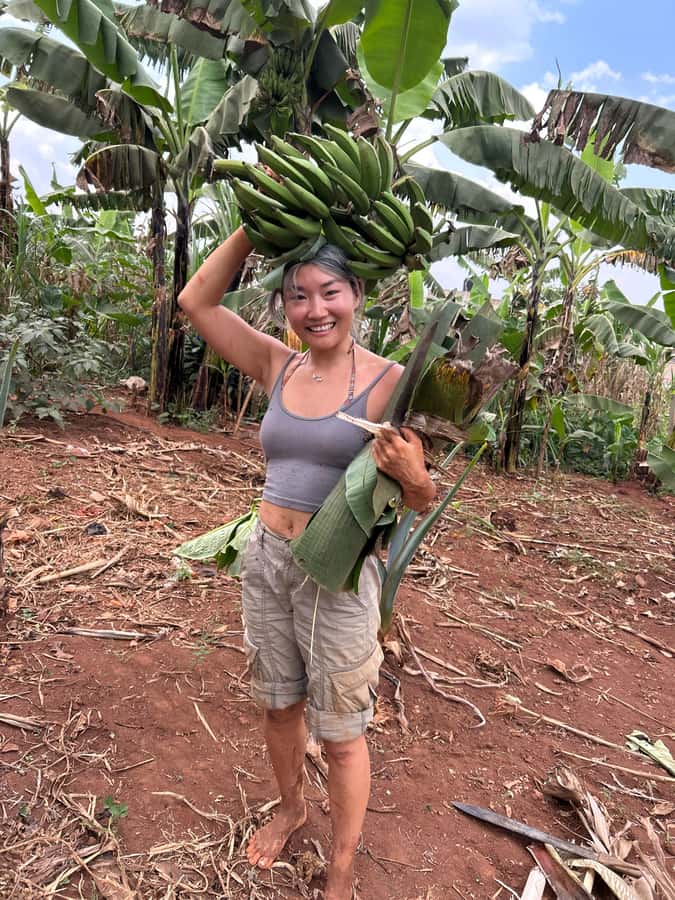
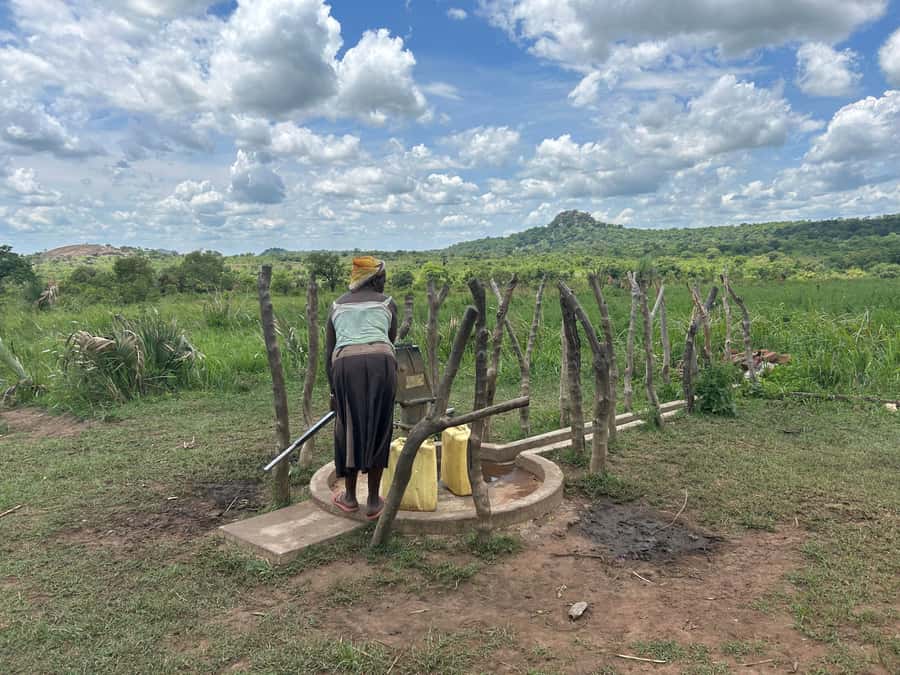
The hut is only one part of the visit. You can also take part in daily activities such as fetching water, gardening, collecting food, and cooking.
Fetching water sounds simple until you treat it as a real task rather than a picture. It gives you a direct connection to the effort involved in basic household routines. Gardening shows where some ingredients come from, while cooking brings the work together in a shared meal.
The food is described as authentic African dishes and local cuisine. You may help prepare the meal rather than receive a plate with no explanation. That makes the food more meaningful, since you have seen some of the ingredients and work involved.
This part requires cultural respect. You are entering a working community, not a stage set. Ask before taking pictures of people, listen when instructions are given, and accept that the pace may be different from a scheduled city attraction.
Learning language, stories, and totems
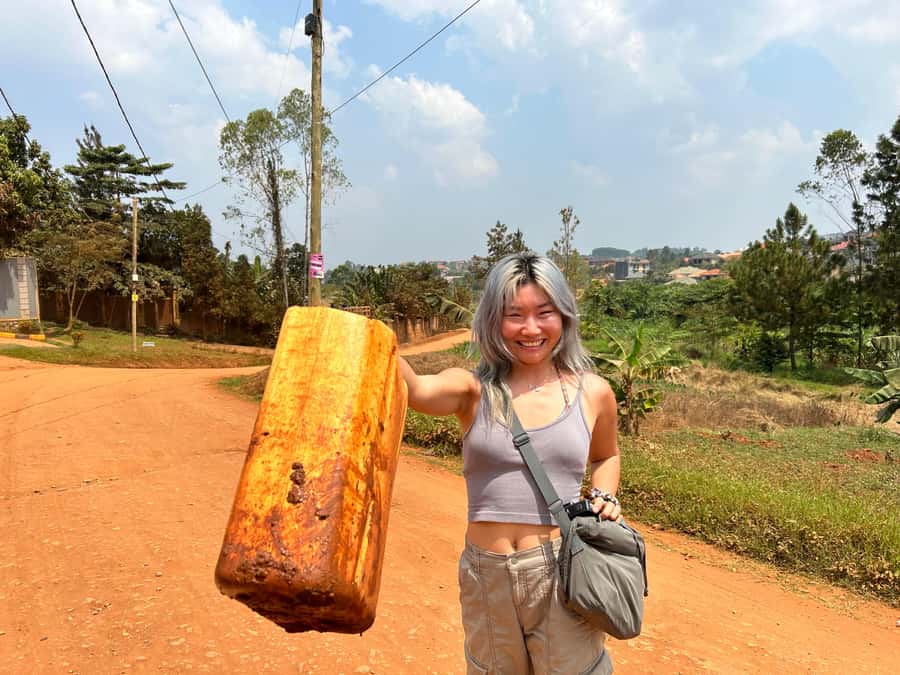
Carol guides the experience in English and helps connect the practical tasks with local traditions and language. You can learn greetings or useful words, hear historical stories, and discuss totems and customs.
These details give the work a human setting. A brick is not only a brick, and a hut is not only a building. Local stories can explain how communities understand family, identity, place, and tradition.
The amount of discussion may depend on the group, the guide, and the time available. Since the program includes many possible activities, you may need to decide what matters most to you. If language and history are your priority, say so early. If you mainly want to build and paint, make that clear too.
Markets, shops, and the Kampala comparison
The broader program can include a walk through local markets and shops. You may see how businesses are organized for customers, how food is sold, and how people move through commercial areas.
In Kampala, the route may include street food, local snacks, shopping, and a food market. Acacia Mall and surrounding shops are also listed among the possible places to explore. This creates a useful contrast between a modern shopping center, ordinary city commerce, and rural community life.
That comparison is one of the more unusual parts of the experience. You are not forced to choose between city Uganda and village Uganda. Depending on your option, you can see both in one outing.
Still, check the schedule carefully. The listed route includes a van ride of about 30 minutes, a possible one-hour traditional dance show, and about two hours of guided sightseeing or walking. These details suggest that some options are much more city-focused than the core hut-building program.
What the three to four hours really include
The stated duration is three to four hours, but the day can feel full because it combines construction, walking, conversation, food, and village tasks.
A likely flow is:
- Meet at the agreed pickup point.
- Travel or walk into the selected community.
- Gather materials from the field.
- Help with bricks, construction, roofing, or painting.
- Take part in gardening, water collection, shopping, or cooking.
- Eat local dishes.
- Walk through the village, market, or nearby shops.
- Return to the listed drop-off point for your selected option.
The exact order is not fixed in the information provided. Some Kampala options list two drop-off locations, Kampala and Centenary Bank at Jinja Branch. That detail makes it especially important to confirm where you will finish before the day begins.
The route may also vary based on whether you select the African hut-building option or the neighborhood walk option. Do not assume that every listed activity appears in every package.
Is $26 a fair price?
At $26 per person, I consider the main hut-building program good value if it includes the full hands-on schedule. You are paying for a guide, access to a local community setting, practical instruction, cultural explanation, and food. That is more substantial than a short photo stop or a standard city walk.
The strongest value comes from participation. Building, painting, gathering materials, cooking, and fetching water create several different points of contact with local life. You also avoid spending the entire outing inside a vehicle.
The price needs a little care, though. Three options have different prices, and the meeting point depends on the option booked. The supplied information does not say that tips, transport from every hotel, or every food expense is included. Tips are optional, while the main activity and local dishes are included for the relevant experience.
Before booking, compare the package descriptions rather than choosing only by the lowest price. If you want to build the hut, select the option that clearly says it includes actual hut construction. If you only want a neighborhood walk, another option may suit you better.
Who will enjoy this most?
I would recommend this to you if you like active cultural experiences and do not mind getting dirty. It suits curious visitors who want to understand daily work through their own hands, not only through explanations.
Families with older children may find the building and cooking tasks memorable, provided everyone is comfortable with outdoor work. The English-language guide also makes the activity accessible to people who do not speak a local Ugandan language.
It is a good match for photographers who want village scenes, markets, gardens, hut construction, and food preparation. Ask permission before photographing people, and remember that the people you meet are part of a living community.
You may want to skip it if you prefer polished attractions, fixed schedules, or minimal walking. It is also a poor choice for wheelchair users, and anyone who needs a highly predictable route should confirm the terrain and exact program in advance.
Practical advice for a smoother visit
Wear clothes that can handle dirt and paint. White clothing is a bad idea, and shorts, comfortable clothes, and sturdy practical footwear are more useful than anything stylish.
Bring a hat, camera, sunscreen, water, and insect repellent. You may spend time outdoors in fields and village spaces, so basic sun and insect protection makes sense.
Eat and sleep well before the tour. The activities can involve physical effort, and the available feedback specifically praised the chance to work through several traditional tasks. This is not the morning for skipping breakfast.
Keep your schedule flexible. The activity allows cancellation up to 24 hours before departure for a full refund, and you can reserve now and pay later. Starting times must be checked for the date you want, and the meeting point may change with the option.
The experience has received very strong praise for Carol’s organization and for the freedom she gives people to try the work themselves. The most repeated strengths are the kindness of the local family, the chance to build and paint, and the way the day combines food, gardening, shopping, and construction.
Should you book the traditional hut-building tour?
Book it if you want a hands-on connection with rural Uganda and are happy to work, walk, eat local food, and adapt to the pace of a community visit. The combination of hut construction, water collection, gardening, cooking, markets, language, and stories gives you far more context than a quick village stop.
Choose carefully among the three options. The African hut-building package is the one to select if construction is your main goal. Confirm the location, meeting point, transport, and included activities, especially if you are booking in Kampala while the main activity site is described in Mityana District.
At $26, it offers strong value for an active three to four-hour cultural visit. Just bring the right clothes, arrive ready to participate, and treat the people you meet as hosts rather than performers.
FAQ
Where does the traditional hut-building experience take place?
The activity currently has sites in Kampala, Gulu, and Pakwach. The main tour information identifies Mityana District, so confirm the exact location and meeting point for your selected option.
How long does the activity last?
The stated duration is three to four hours. Starting times vary, so check availability for your chosen date.
What activities are included?
The experience can include gathering raw materials, making bricks, building, roofing, and painting a traditional hut. You may also fetch water, garden, cook, eat local dishes, visit markets and shops, and learn about traditions, languages, stories, and totems.
Is the tour available in English?
Yes. The live tour guide language is English.
What should I bring?
Bring a hat, camera, sunscreen, water, comfortable clothes, insect repellent, and shorts if suitable for you. Avoid white clothing because the work may involve soil, paint, and other messy materials.
Is the experience suitable for wheelchair users?
No. The activity is listed as unsuitable for wheelchair users.
Can I cancel or pay later?
You can cancel up to 24 hours in advance for a full refund. The reserve-now, pay-later option allows you to book without paying immediately.
Just added in Uganda
- Wanale hill hike★ 5.0 · 1 review
- Uganda Equator Tour From Kampala To Kayabwe★ 5.0 · 4 reviews
- Uganda: 4-Day Murchison Falls National Park Safari★ 5.0 · 1 review
- Uganda: 3-Day Gorilla Experience from Entebbe★ 5.0 · 2 reviews
- Hot Springs Exploration and Hike Craters★ 5.0 · 6 reviews
- Uganda: 1-Day Murchison Falls Park Safari with Boat cruise★ 5.0 · 3 reviews
- 4 Hour Art and Craft Interactive Workshop★ 5.0 · 2 reviews
- Coffee Tour Experience★ 5.0 · 5 reviews