REVIEW · KAMPALA TOURS
Like a local cooking Tours
Kampala tastes better from a family kitchen. I like the chance to shop for ingredients at Owino Market, then cook and eat with local women in their home. I also like the small-group setting, capped at 10 people, which leaves room for real conversation. The main catch is cost clarity: the $26 fee does not cover transport, food shopping, or alcoholic drinks.
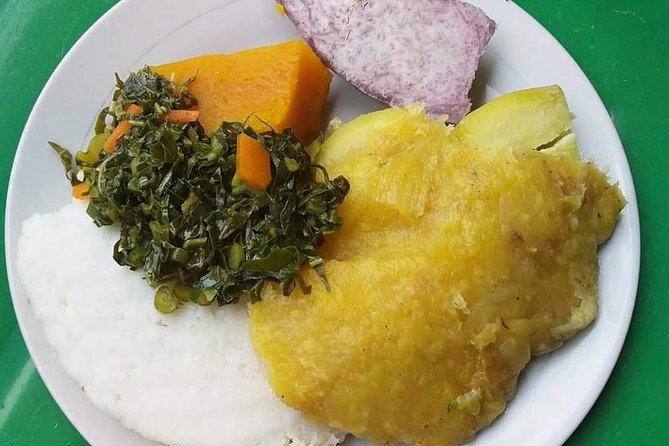
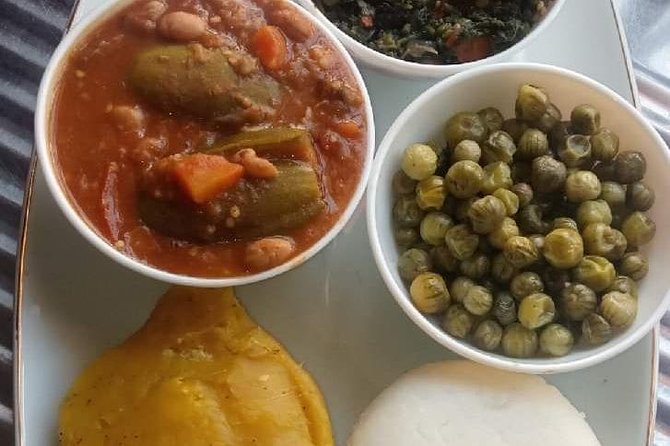
This is a four-hour cultural food experience built around local hosts and a young female student chef. Past visits have included Fatumah and her family, along with hosts named Rosette, Hannah, and Doreen. You may learn to peel matooke, see it steamed in banana leaves, and share a home-cooked meal rather than simply watch a demonstration.
Before booking, confirm the day’s exact schedule and extra costs. The published details say lunch is included, while the shopping fees for ingredients are extra. One previous booking also described a six-hour tour with lunch and dinner, so ask the operator to confirm what your $26 covers.
In This Review
- Key details at a glance
- From Old Kampala to a local kitchen
- Shopping for ingredients at Owino Market
- Learning matooke from Rosette
- Lunch with Fatumah and her family
- Female guides and a useful cause
- What the $26 price really buys
- Who will enjoy this Kampala food experience
- Booking advice and cancellation terms
- Should you book Like a Local Cooking Tours?
- FAQ
- Where does the cooking experience start?
- Where does the activity finish?
- How long does the experience last?
- How much does the experience cost?
- Is lunch included?
- Are the food ingredients included?
- Is transportation to the host’s home included?
- What is the maximum group size?
Key details at a glance
- Owino Market shopping: You may help choose the ingredients before cooking, turning lunch into a practical lesson in Kampala food culture.
- Cooking inside a local home: The heart of the visit is preparing and eating food with a Ugandan family, not watching a polished restaurant demonstration.
- Matooke preparation: You can learn how to peel green bananas and watch them steam in banana leaves.
- Female-led social project: Your booking helps support female guide and chef training, plus clean drinking water for rehabilitated street children.
- Small group of up to 10: This is a better setup for questions and conversation than a large group tour.
- Extra costs need checking: The guide fee is $26 per person, but transport and ingredient shopping are not included.
From Old Kampala to a local kitchen
You meet at the Uganda National Mosque on Old Kampala Road. This is both a clear meeting point and a useful place to begin, since the mosque is a major city landmark and the activity returns there at the end.
The tour lasts about four hours. That is enough time for a market visit, food preparation, lunch, and conversation, but it is not an all-day food safari unless the operator confirms a longer schedule for your date.
Transportation to the host’s home is not included. You should ask how that transfer will work before setting out, since the meeting point and the cooking location are separate. The published details say the activity is near public transportation, but they do not specify the route, fare, or whether the group travels together.
The group can have no more than 10 people. That limit matters here. A home kitchen is more personal than a cooking school, and a smaller group makes it easier for you to handle ingredients, ask questions, and talk with the hosts.
A few more options to weigh up in Kampala
- 3 Hours Guided Cycling Tour Across Lake Victoria
★ 5.0 · 151 reviews - Kampala’s Best Experience walking tour
★ 5.0 · 137 reviews - 3 Days gorilla trekking Safari tour in Uganda
★ 5.0 · 121 reviews
Shopping for ingredients at Owino Market

One of the strongest parts of the day is the ingredient shopping. A past itinerary included a visit to Owino Market, where the group bought what it needed before going to the host family’s home.
This adds useful context to the meal. Instead of seeing Ugandan dishes as finished plates, you get to think about what goes into them and how food is bought in Kampala. You can also ask the guide about the ingredients as you go, though the exact market route and shopping list are not fixed in the information provided.
The shopping is also where the price issue needs careful attention. The $26 charge is described as the guide fee, while the food and drinks prepared during the visit must be purchased separately. That means your final cost depends partly on what the group chooses to cook and how much the ingredients cost.
You should bring enough local currency or confirm accepted payment methods before the tour. The operator specifically says shopping fees are extra, but no fixed ingredient budget is provided. Ask for an estimated amount before you meet.
This arrangement has one advantage: the meal can reflect what is available that day. The drawback is that you do not know the full price in advance. If you prefer a fixed-cost activity, this may feel less tidy than a standard cooking class.
Learning matooke from Rosette
Matooke is one of the most useful dishes to encounter in a Ugandan cooking lesson. It is made from green bananas, and the preparation takes more care than many first-time cooks expect.
Rosette has taught a participant how to peel matooke correctly, then showed how to steam it in matooke leaves. That detail gives you a sense of the lesson’s style. You are not simply handed a plate and told what it is. You may be asked to take part in the work, including the less glamorous but important task of peeling the bananas.
The steaming method also connects the dish to local cooking practice. A cooking class can explain a recipe, but handling the food yourself helps you understand its texture and preparation. You may not leave ready to run a Ugandan kitchen, but you should have a better idea of how the dish reaches the table.
The precise menu is not guaranteed. The hosts and student chef share Kampala food and cooking traditions, but the information does not promise a set list of dishes. Ingredients and the group’s choices may shape the meal.
That uncertainty is part of the home-cooking appeal, though it calls for realistic expectations. Book this for contact with local food and people, not for a fixed restaurant menu.
Lunch with Fatumah and her family

After shopping and cooking, you sit down to eat. Lunch is included in the listed price, but the ingredients used to make it are not. That distinction is easy to miss, so keep it in mind when judging value.
A past visit took the group to Fatumah and her family after the market. The meal became a shared family occasion, with time to talk about food, culture, and daily life. This is the sort of setting that gives the activity its real purpose.
You may find the conversation as memorable as the cooking. The hosts have been described as open and warm, and the format encourages discussion between people from different cultures. Because you are visiting a home, the experience can feel more relaxed and personal than a formal class.
Still, a home visit requires courtesy. Listen to your guide about what to bring, what not to do, and how to behave in the household. The operator says guides explain expectations before the activity begins. Follow that advice, especially around photography, personal questions, and kitchen customs.
The meal is not presented as a luxury dining event. It is a shared lunch prepared with the hosts. If you want polished service and a wide choice of dishes, book a restaurant. If you want to sit with a family and understand how food fits into social life, this format makes more sense.
A completely different kind of day:
- Lake Victoria Island Cycling Tour from Kampala
★ 5.0 · 120 reviews - Kampala Walking City Tours (Women Guided)
★ 5.0 · 115 reviews - Kampala Walking Tour (3 Hours) with Optional Gaddafi Mosque Visit
★ 5.0 · 112 reviews - Steve Kampala Walking tours (Airpals Safaris tour)
★ 5.0 · 89 reviews
Female guides and a useful cause
The tour is led by local female guides and a young female student chef. That gives the day a clear social purpose as well as a culinary one.
The project supports free female training for girls. It also aims to help provide clean, safe drinking water for rehabilitated street children. Your payment is therefore connected to a local program rather than only to a sightseeing service.
You should still judge the tour on its practical terms. A good cause does not remove the need for clear pricing or a well-organized schedule. The previous confusion over included ingredients shows why you should ask questions before arrival.
The female-led structure can also shape the conversation. You are not only learning how food is prepared. You may hear personal stories about training, work, family, and local traditions, depending on who hosts your visit.
The available information does not promise a specific guide for every date. Names connected with past visits include Fatumah, Rosette, Hannah, and Doreen. If meeting a particular host matters to you, ask the operator before booking rather than assuming that person will lead your session.
What the $26 price really buys
At $26 per person, the experience is priced below many private cooking classes in major international cities. The value comes from access to a local home, a small group, a guide, and a shared food activity.
It is not an all-inclusive food tour. You pay separately for transport to the host’s home and for shopping fees for the food and drinks prepared. Alcoholic beverages are also excluded.
I would judge the price in two parts:
- The $26 guide fee covers the organized cultural experience and lunch.
- Your additional spending covers ingredients, drinks, and transport connected with the cooking visit.
The final bill may still be good value, especially if you care about personal contact and supporting the training project. But you should not compare $26 with a fully packaged meal and assume the totals are equal.
A previous booking created disappointment because the description was understood to include six hours, lunch, and dinner. The current details describe about four hours and lunch. That makes a pre-tour message essential. Confirm the duration, meal plan, ingredient budget, and transport arrangement in writing.
This is not a criticism of the home visit itself. It is a reminder that simple local experiences often have less fixed structure than commercial cooking schools. Clear questions protect both you and the host.
Who will enjoy this Kampala food experience
I would recommend this activity to you if you enjoy learning by doing. You should be ready to peel, chop, stir, shop, and sit down for a shared meal. The experience suits people who value conversation as much as food.
It is also a good fit if you want a social activity with a local purpose. The female training project and clean water work add meaning to the booking, provided you are comfortable with the extra ingredient and transport costs.
Solo visitors and couples may appreciate the group limit of 10. Families and older participants may also take part, since most people can participate according to the provided information. The activity is near public transportation, though transport details to the home should be checked.
I would be more cautious if you need a strict timetable or an exact menu. The available details do not guarantee specific dishes, exact host assignments, or a fixed total cost. People with food allergies or strong dietary restrictions should ask about the menu before booking, since no dietary information is provided.
You should also allow for the fact that cooking in a home is not the same as cooking in a purpose-built classroom. Space, pace, and equipment may be more basic. That is part of the setting, but it may not suit someone looking for a polished professional lesson.
Booking advice and cancellation terms
Confirmation is provided at booking. The activity accepts a maximum of 10 people, and most people can participate.
You can cancel for a full refund if you do so at least 24 hours before the local start time. Cancellations made less than 24 hours before the start are not refunded, and changes inside that period are not accepted.
The activity requires good weather. If poor weather causes cancellation, you can choose another date or receive a full refund. If the minimum number of participants is not reached, the operator will offer another date or activity, or provide a full refund.
The best practical step is to contact Free Walking Tours Kampala before the day of the tour. Ask four direct questions: Is the visit four hours? What lunch is included? How much should you budget for ingredients? How will you reach the host’s home?
Should you book Like a Local Cooking Tours?
Book it if you want a personal Kampala food experience built around a family kitchen, hands-on preparation, and conversation. The market visit, matooke lesson, and meal with local hosts offer more contact than a standard restaurant stop.
The strongest reason to go is the people. Fatumah, Rosette, Hannah, and Doreen are connected with warm home visits and useful cooking instruction, and the female-led project gives your spending a wider purpose.
Book with caution if you want one fixed price. The $26 fee does not cover all costs, and the difference between the advertised four-hour format and one earlier six-hour expectation shows that details must be confirmed.
My advice is simple: ask for the exact plan, set aside money for shopping and transport, then go if the answers suit you. For an open-minded eater who wants to cook, talk, and support local training, this can be a fine use of half a day in Kampala.
FAQ
Where does the cooking experience start?
It starts at the Uganda National Mosque on Old Kampala Road in Kampala, Uganda.
Where does the activity finish?
The activity ends back at the Uganda National Mosque meeting point.
How long does the experience last?
The listed duration is approximately four hours.
How much does the experience cost?
The listed price is $26 per person.
Is lunch included?
Yes, lunch is included.
Are the food ingredients included?
No. Shopping fees for the food and drinks prepared during the activity are extra.
Is transportation to the host’s home included?
No. Transportation fees to the host’s home are not included.
What is the maximum group size?
The activity has a maximum of 10 participants.
Just added in Kampala
- Uganda Equator Tour From Kampala To Kayabwe★ 5.0 · 4 reviews
- Uganda: 3-Day Gorilla Experience from Entebbe★ 5.0 · 2 reviews
- Uganda: 1-Day Murchison Falls Park Safari with Boat cruise★ 5.0 · 3 reviews
- Entebbe kampala airport transfers★ 5.0 · 3 reviews
- 3-Day Mind Refreshing in Murchison Falls National Park★ 5.0 · 4 reviews
- 3 Days Uganda Gorilla trek Safari Tour★ 5.0 · 4 reviews
- Weekend Package B★ 5.0 · 7 reviews
- Uganda 4 days Gorilla Trekking★ 5.0 · 3 reviews
Kampala Tours, compared.
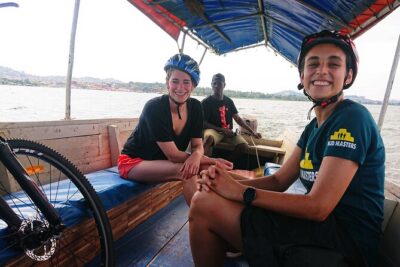
3 Hours Guided Cycling Tour Across Lake Victoria
Read our review →

3 Days gorilla trekking Safari tour in Uganda
Read our review →
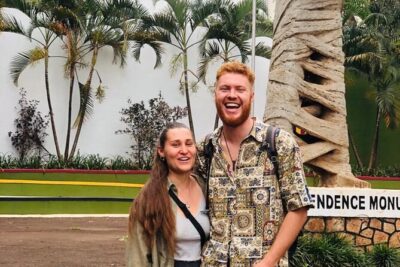
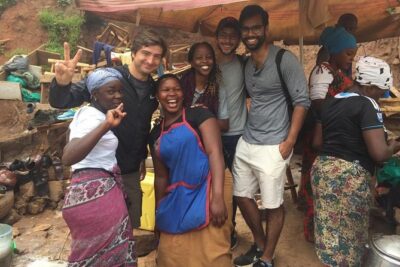
Kampala Walking Tour (3 Hours) with Optional Gaddafi Mosque Visit
Read our review →
Steve Kampala Walking tours (Airpals Safaris tour)
Read our review →