
REVIEW · WALKING TOURS
Kampala: Guided City Walking Tour with Gadaffi Mosque
Kampala rewards curious walkers. This four-hour tour links markets, monuments, and public spaces with the Gaddafi National Mosque, giving you a lively introduction to Uganda’s capital. I like the small six-person limit, which makes it easier to ask questions, and I like that the tour moves through ordinary city life rather than staying only at formal sights. The main consideration is the walking: crowded markets, uneven streets, heat, and long stretches on foot will not suit everyone.
Guides such as Malik, Fatumah, and Sharif have earned especially warm praise for explaining Uganda’s past and answering questions clearly. Still, one three-star account felt that too many sights were missed, so I would confirm the exact route and starting time before setting out. The tour costs $35 per person, with key admissions included, but you arrange your own transport to the meeting point and pay separately for food and purchases.
In This Review
- Key points to know before you book
- Why this four-hour walk works in Kampala
- Kampala Road and the first city views
- Independence Monument and Uganda’s path to self-rule
- The World War memorial and a less familiar colonial story
- Nakasero Market, where Kampala buys and sells
- Old Taxi Park and Kampala’s public transport pulse
- Owino Market, the tour’s most demanding stop
- Bagala Craft Village for gifts with a local connection
- Gaddafi National Mosque and the view from the minaret
- What $35 gets you, and what it does not
- Who will enjoy this walk most
- Should you book the Kampala walking tour?
- FAQ
- How long does the Kampala walking tour last?
- What language does the guide speak?
- How many people can join the tour?
- Is transportation to the meeting point included?
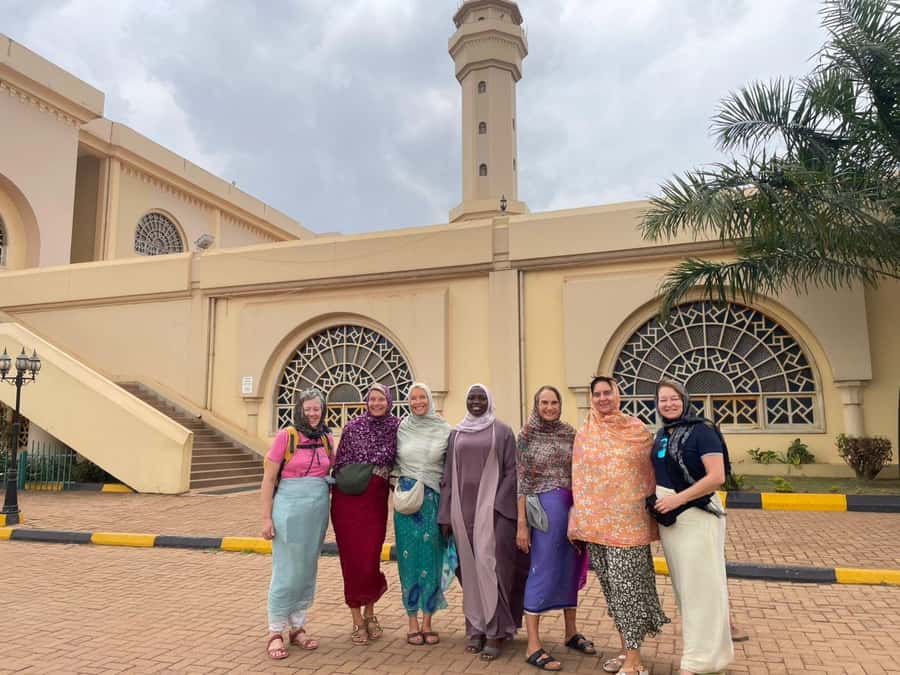
- What should I wear to Gaddafi National Mosque?
- Are meals and souvenirs included in the price?
Key points to know before you book
- The Gaddafi Mosque finishes the route on a high note: Its courtyard and minaret provide broad views over Kampala, and the building blends Arabic, European, and African design.
- Owino Market is the most intense stop: With around 50,000 traders, it offers a close look at Kampala commerce, but noise, crowds, and tight pathways can be tiring.
- A six-person limit keeps the walk personal: You can pause, ask questions, and hear your guide without competing with a large group.
- The price includes several admissions: Entry to the mosque, Owino Market, Old Taxi Park, Nakasero Market, Independence Monument, and Bagala Craft Market is covered.
- Dress rules matter at the mosque: Women need loose clothing covering the wrists and ankles plus a head covering. Men need trousers and sleeved shirts.
- This is a genuine walking tour: Wear supportive shoes, bring sun protection, and carry Ugandan shillings for small purchases.
Why this four-hour walk works in Kampala
Kampala can feel scattered at first. Important buildings, markets, transport hubs, and religious sites sit amid busy roads and working neighborhoods, so a guide helps you connect the pieces. Instead of seeing one attraction in isolation, you move through the city’s commercial, political, religious, and social centers in a single morning or afternoon.
The tour begins at Kitenji Uganda Safaris and Tours, then heads along Kampala Road. From there, the route takes you to the Independence Monument, the World War memorial, Nakasero Market, the Old Taxi Park, Owino Market, and Gaddafi National Mosque before returning to Kampala and the starting point.
The pace is described as flexible. You can stop for questions, take breaks, and spend more time on a market scene that catches your interest. That freedom is useful in Kampala, where a rigid schedule could make the walk feel rushed. The tradeoff is that four hours cannot cover every corner of a large capital. If you want a broad first look, the route works well. If you want detailed shopping time at every market or long visits at each monument, you may feel pressed.
The group is limited to six people. That matters more than it might on a simple sightseeing bus ride. In a market, a small group can stay together more easily, and you can ask about local customs, prices, transport, or the meaning of a monument without waiting for a dozen other people.
More walking tours in Kampala:
- Kampala’s Best Experience walking tour
★ 5.0 · 137 reviews - Kampala Walking City Tours (Women Guided)
★ 5.0 · 115 reviews - Kampala Walking Tour (3 Hours) with Optional Gaddafi Mosque Visit
★ 5.0 · 112 reviews
Kampala Road and the first city views
Kampala Road serves as the opening stretch and helps you get used to the city’s tempo. Your guide provides the setting for what follows, explaining the places you pass and pointing out how daily movement shapes the capital.
This is not a quiet pedestrian promenade. You should expect city traffic, people heading to work, vendors, and the constant movement that comes with a major urban center. Comfortable shoes are essential, and sun protection is sensible in Uganda’s tropical climate. A hat, sunglasses, and sunscreen will make the walk easier, especially if you choose a midday start.
The meeting point is Kitenji Uganda Safaris and Tours. Pickup and drop-off are not included, so allow time and money to reach the starting location on your own. The tour is offered between 9 am and 7 pm, with your preferred start time confirmed after booking. I would choose a time that leaves room for a relaxed pace rather than trying to squeeze the walk between tight airport or hotel plans.
Independence Monument and Uganda’s path to self-rule
The Independence Monument commemorates Uganda’s independence from British colonial rule in 1962. It sits in a garden setting, offering a calmer pause after the road traffic and a useful place to discuss the country’s move from colonial government to independence.
A monument like this is most useful when your guide adds context. The sculpture alone takes only a few minutes to view, but the stop gives you a reference point for understanding Uganda’s modern national story. You can take photographs here, though the real value is the conversation around the site.
I would not expect a long museum-style explanation or a large display of objects. This is an outdoor stop, and its importance comes from its place in the city and the story it represents. It works best as part of the larger walk, not as a reason to visit on its own.
The World War memorial and a less familiar colonial story
The World War memorial, also called the Ward war memorial monument in the tour information, was built in 1945 by the British colonial government. It commemorates Ugandans who died while supporting British soldiers during World War I and World War II.
This stop adds a difficult layer to the tour. It is not simply a patriotic marker. It raises questions about colonial rule, military service, and the way African contributions were recorded during the world wars. Your guide’s explanation is important here because the monument may not tell the full story by itself.
The memorial is described as one of Kampala’s oldest monuments. You will likely spend less time here than at the markets, but it gives the route historical weight and helps balance the more immediate sights of shopping and public transport.
More city tours in Kampala:
- Kampala: City Guided walking sightseeing Tour
★ 4.7 · 52 reviews - Half day Kampala City Motor Bike Tours
★ 5.0 · 29 reviews - Kampala’s walking city Tour Experience
★ 5.0 · 18 reviews - Kampala: City Guided Walking Tour with Kabaka`s Palace
★ 4.5 · 15 reviews
Nakasero Market, where Kampala buys and sells
Nakasero Market is a fresh-produce center in the heart of Kampala. Here you can see fruit, vegetables, spices, and other food items moving from seller to buyer. The market offers a direct look at everyday commerce, not a staged cultural display.
Your guide can help you understand what you are seeing and create respectful opportunities to speak with vendors. You may also find items to sample or purchase, though food and shopping costs are not part of the $35 tour price. Carry some Ugandan shillings because smaller sellers may not accept cards.
Nakasero is a good place to notice the difference between browsing and buying. You can take in the colors, smells, and pace without purchasing anything, but a small purchase can make the visit more interactive. Ask your guide before photographing people or products, and keep your belongings secure in crowded areas.
This stop may appeal to you if you enjoy food markets and ordinary city life. If you prefer quiet galleries or carefully arranged exhibits, the close quarters and constant activity may be tiring.
Old Taxi Park and Kampala’s public transport pulse
The Old Taxi Park is one of Kampala’s key transport centers. Fourteen-seat public vans, known as matatus, arrive and depart in a steady flow. The scene shows how people move around the capital far better than a polished transport exhibit ever could.
Your guide leads you through the area and explains its role in city life. You may watch the activity or take part in the stop as an observer, but this is not presented as a separate matatu ride. The value comes from seeing the system at close range and understanding how central shared vans are to urban movement.
Expect noise, crowds, and confusion. That is part of the experience, but it also means you should stay near your guide and keep your phone and wallet secure. Anyone who dislikes crowded transport hubs may find this portion stressful. For me, it is one of the route’s most useful stops because it shows Kampala as a working city rather than a collection of landmarks.
Owino Market, the tour’s most demanding stop
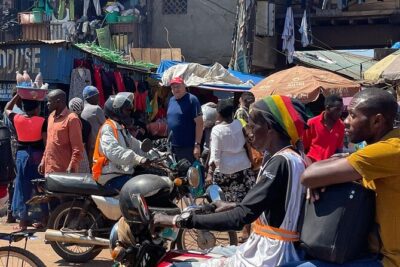
Owino Market, also called St. Balikuddembe Market, is described as Uganda’s largest market, with around 50,000 traders. It is the route’s biggest sensory experience, with vendors selling fresh goods, clothing, crafts, and other merchandise through busy pathways.
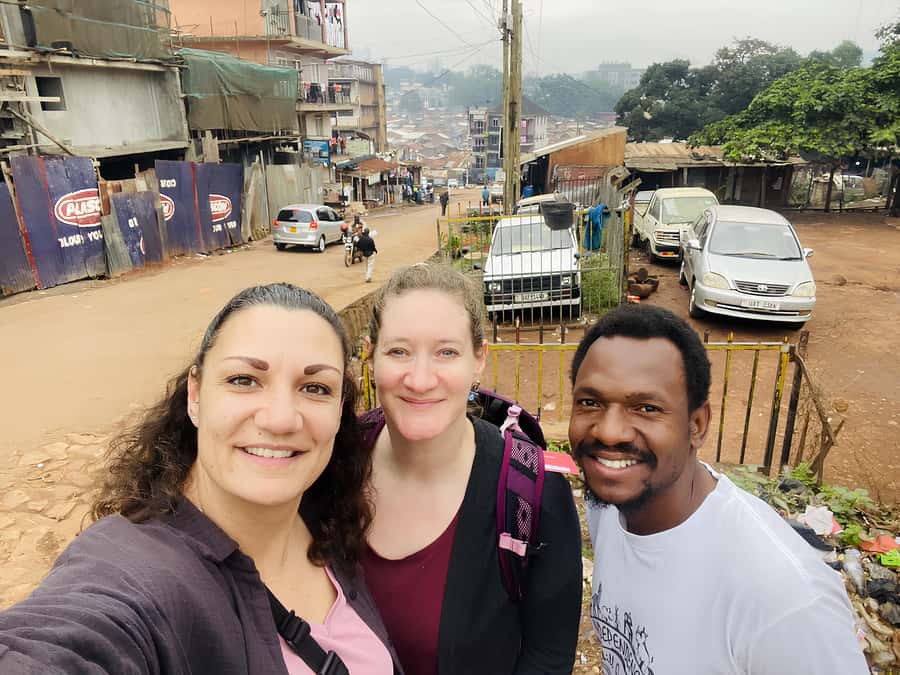
The market is not polished or easy to navigate. You may encounter strong smells, tight passages, loud voices, and a large number of people moving in different directions. That intensity is exactly why a local guide matters. You get a safer, more meaningful introduction than you would by wandering in alone without context.
I would plan your energy carefully. Four hours on foot can feel longer once you have crossed several busy market areas. Drink water, take the offered breaks, and do not treat the market as a race. If you want to shop, agree on how much time you can spend before the route continues.
Owino gives you a close view of how people buy, sell, work, and socialise. It may be the highlight for anyone who enjoys markets, but it is not ideal for someone seeking a quiet cultural visit. One strong point of this tour is that it does not hide the city’s rough edges. One limitation is that the sheer size of the market means you will see only part of it.
Bagala Craft Village for gifts with a local connection
Bagala Craft Village is included among the covered admissions and offers a more straightforward shopping stop. You can look for locally made art, jewellery, textiles, and other handicrafts, while meeting artisans and choosing souvenirs.
The published route lists the main sequence from Kampala Road through the mosque, while Bagala Craft Village is included in the tour details without a separate numbered position. I would ask the agent where it fits into your confirmed route, particularly if buying crafts is a priority.
This market is a better match for planned souvenir shopping than the food markets. You can look for a small keepsake with a direct connection to Uganda, but remember that purchases are extra. Carry cash in Ugandan shillings and leave room in your bag. The guide can help you understand what you are looking at, though you should make your own choices about price and value.
Gaddafi National Mosque and the view from the minaret
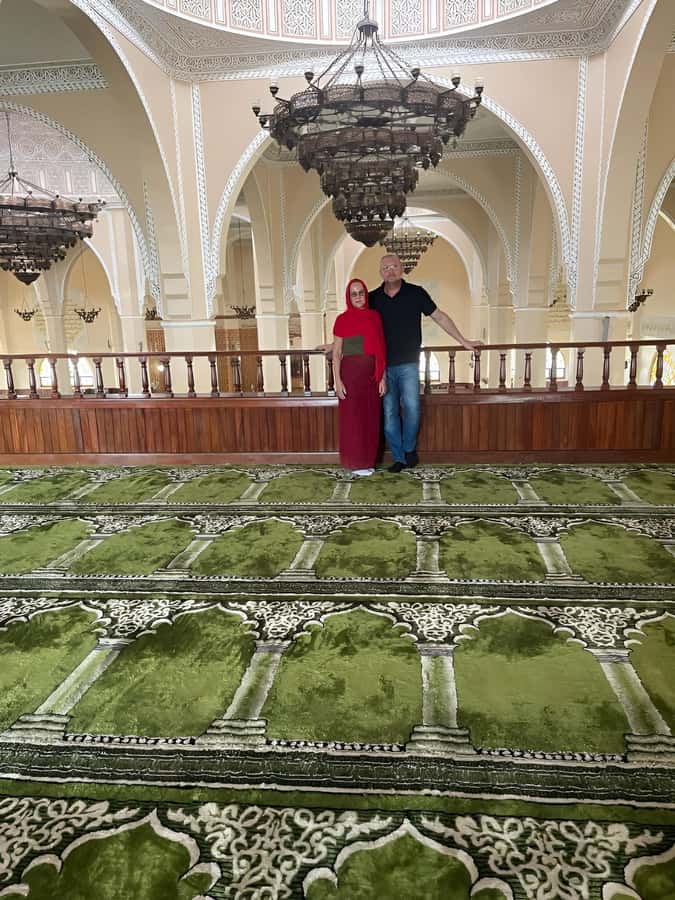
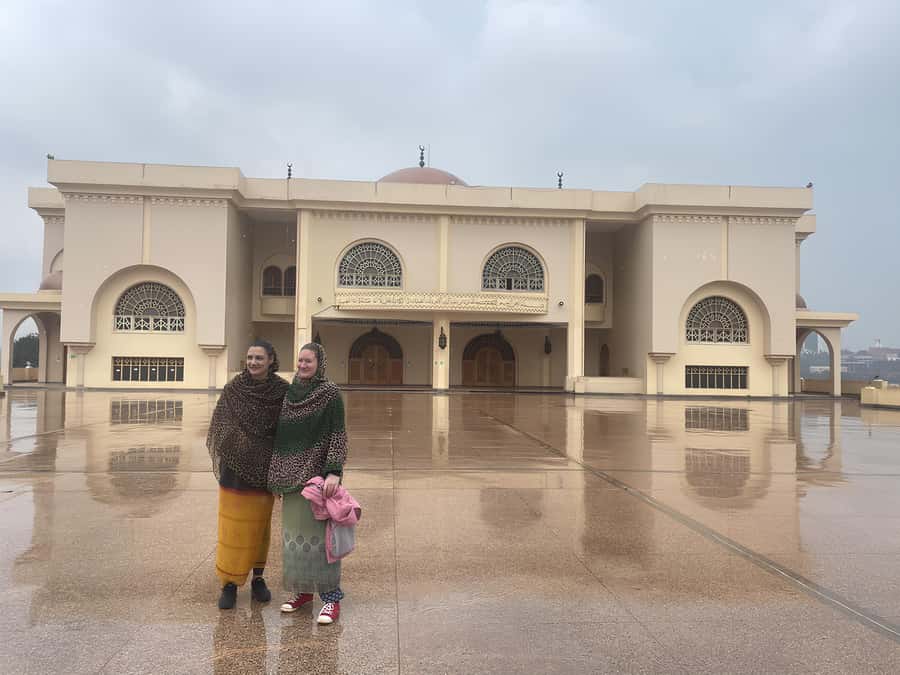
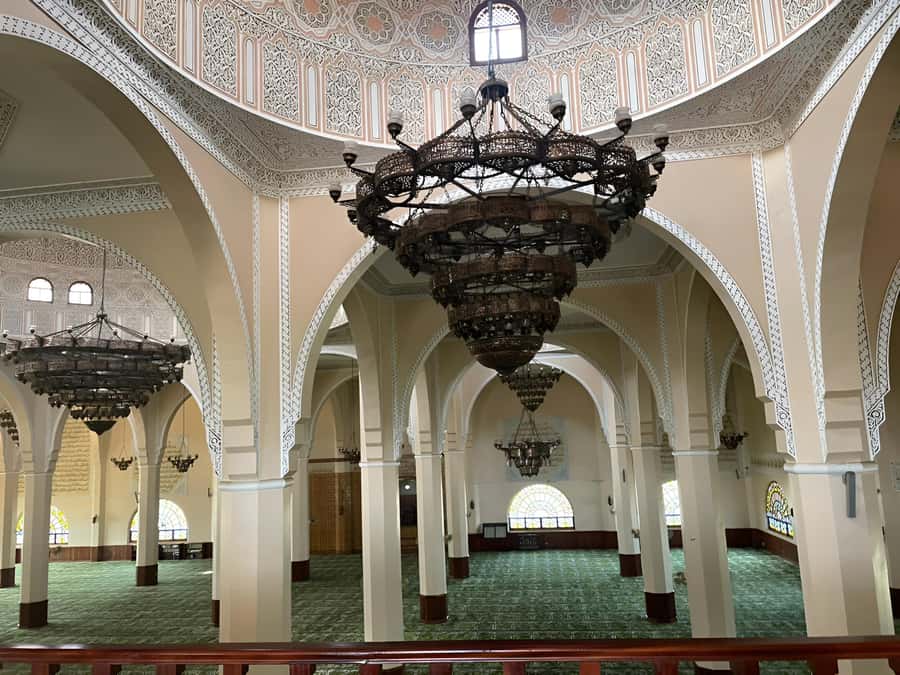
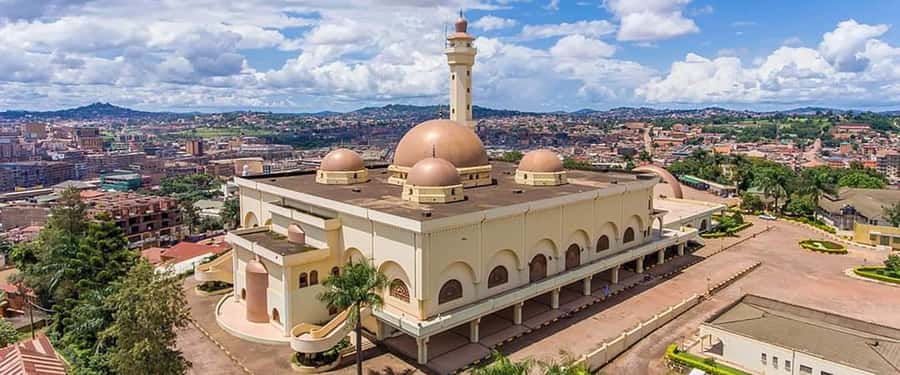
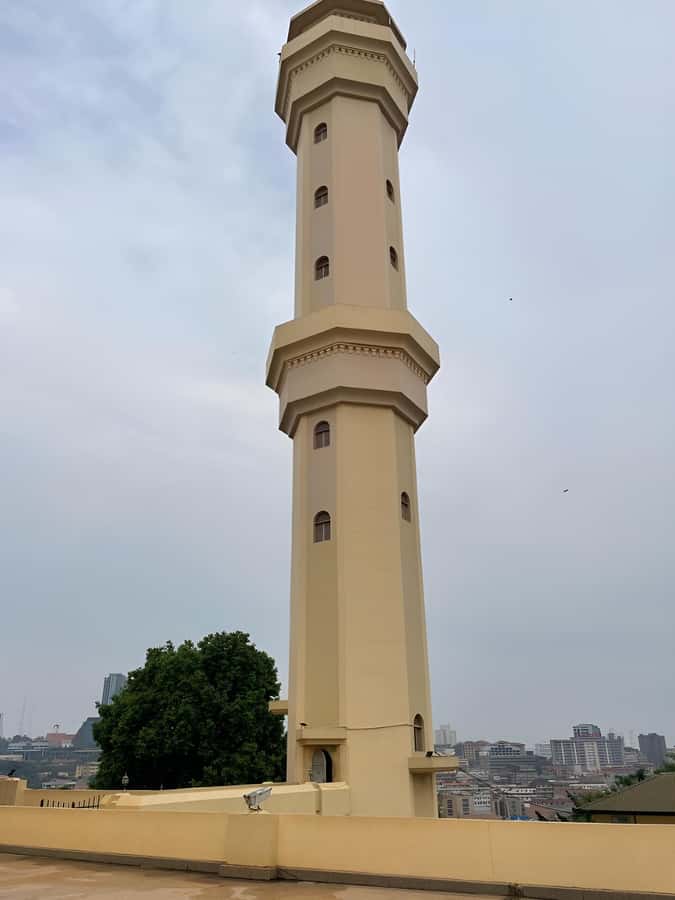
The Gaddafi National Mosque is the tour’s architectural centerpiece. It was initially funded by former Libyan leader Muammar Gaddafi and serves Uganda’s Muslim community. The design combines Arabic, European, and African influences, giving the building a look that reflects more than one tradition.
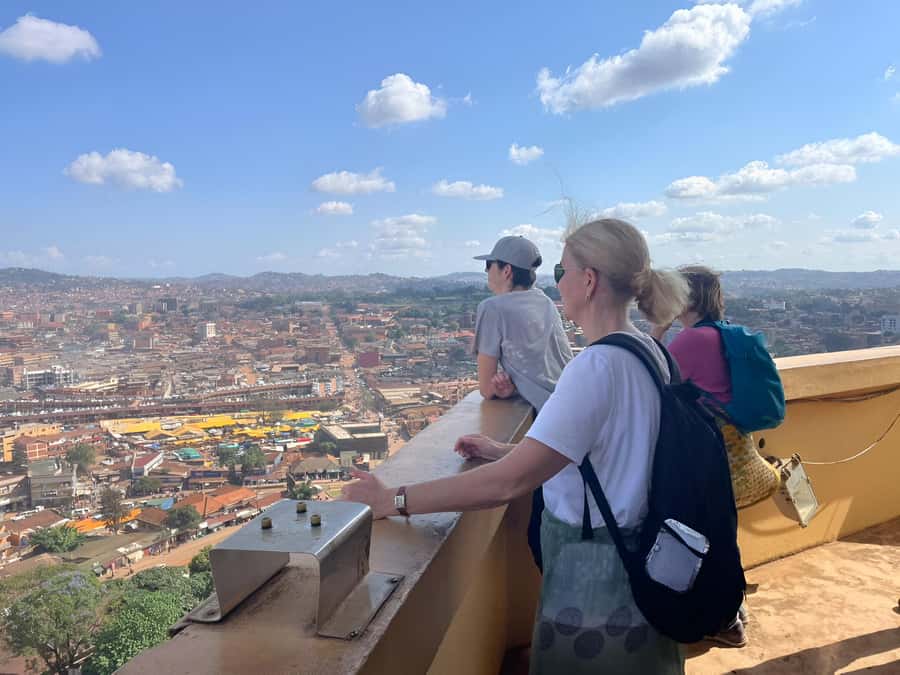
The mosque also provides the route’s best city viewpoint. The courtyard offers wide views over Kampala, while the minaret gives a higher vantage point. One visitor described the views from the courtyard as excellent and noted that climbing to the top of the tower may be possible, though that person chose not to climb while recovering from gorilla trekking. Ask your guide about current access and the physical demands before you go up.
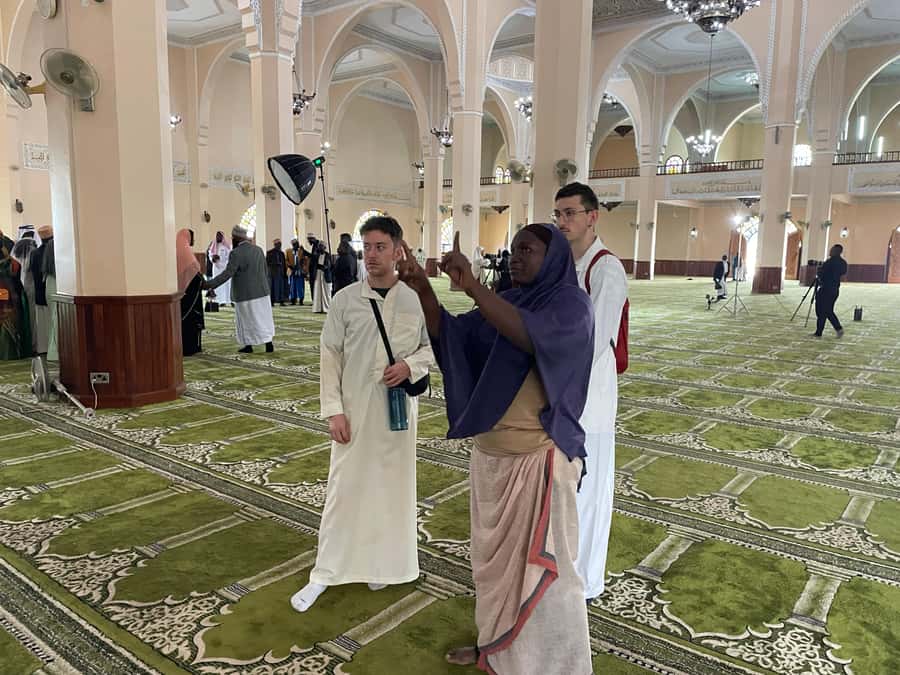
Dress respectfully. Women should wear loose clothing that covers the wrists and ankles and should cover their heads. Men should wear trousers and shirts with sleeves. Everyone removes footwear at the entrance, so practical shoes that are easy to take off help here.
The mosque is an active place of worship, not just a photo stop. Follow your guide’s directions, keep your voice low, and respect any restricted areas. The combination of religious setting, distinctive architecture, and city views gives the final portion a sense of purpose after the markets and monuments.
What $35 gets you, and what it does not
At $35 per person, the tour offers fair value if you want a guided introduction rather than a self-guided walk. The fee covers an English-speaking guide and admission to Gaddafi Mosque, Owino Market, Old Taxi Park, Nakasero Market, Independence Monument, and Bagala Craft Market.
The six-person maximum strengthens that value. A private tour would cost more, while a large group would make the markets harder to manage. The guide’s role is not limited to pointing at buildings. The best accounts of the experience praise Malik, Fatumah, and Sharif for clear explanations, strong answers, and personal insight into Uganda.
You still need to pay for transport to and from Kitenji Uganda Safaris and Tours, meals, drinks, and souvenirs. The tour lasts about four hours, though the information allows roughly four to five hours. That small variation matters if you have another appointment afterward.
Free cancellation is available up to 24 hours before the tour for a full refund, and you can reserve while paying later. Those terms help if your Kampala schedule may change, but they do not remove the need to plan for weather, heat, and walking ability.
Who will enjoy this walk most
I would recommend this tour to you if you want:
- A first look at Kampala’s daily life, markets, monuments, and transport system
- A small group with time for questions
- A local English-speaking guide who can explain history and culture
- A mosque visit with city views
- A flexible route that allows pauses
- A four-hour activity rather than a full-day commitment
I would be cautious if you have a mobility impairment, since the tour is specifically not suitable for people with mobility limitations. I would also think twice if crowds, heat, or market noise quickly wear you down.
The tour is less suitable for a dedicated shopper who wants long, unhurried time at each market. It is also not a complete survey of Kampala. One account felt there were many things left unseen, and that is a fair expectation to set. This is an introduction, not an exhaustive city tour.
Should you book the Kampala walking tour?
Book it if you want to understand Kampala through its working streets, food markets, transport hubs, public monuments, and places of worship. The guide quality appears to be the strongest part of the experience, with Malik, Fatumah, and Sharif receiving particular praise for clear and engaging explanations.
Before booking, confirm the starting time, ask where Bagala Craft Village fits into the route, and check the mosque access rules for the day. Wear supportive shoes, bring water and sun protection, carry Ugandan shillings, and allow more than four hours if you prefer a relaxed pace.
For $35, this is a solid choice for an active visitor who wants context and contact with daily Kampala. Skip it if you need step-free touring, dislike crowded markets, or want every major sight covered in detail.
FAQ
How long does the Kampala walking tour last?
The tour lasts about four hours, with the activity information allowing approximately four to five hours. Starting times are available between 9 am and 7 pm, and your preferred time is confirmed after booking.
What language does the guide speak?
The live tour guide speaks English.
How many people can join the tour?
The group is limited to six participants, allowing a more personal walking experience and time for questions.
Is transportation to the meeting point included?
No. Pickup and drop-off are not included. The tour begins and ends at Kitenji Uganda Safaris and Tours.
What should I wear to Gaddafi National Mosque?
Women should wear loose-fitting clothing that covers the wrists and ankles and should cover their heads. Men should wear trousers and shirts with sleeves. Footwear is removed at the entrance.
Are meals and souvenirs included in the price?
No. Meals and souvenirs are not included. Carry Ugandan shillings if you plan to buy food, crafts, or other items, since some smaller vendors may not accept cards.
Just added in Kampala
- Uganda Equator Tour From Kampala To Kayabwe★ 5.0 · 4 reviews
- Uganda: 3-Day Gorilla Experience from Entebbe★ 5.0 · 2 reviews
- Uganda: 1-Day Murchison Falls Park Safari with Boat cruise★ 5.0 · 3 reviews
- Entebbe kampala airport transfers★ 5.0 · 3 reviews
- 3-Day Mind Refreshing in Murchison Falls National Park★ 5.0 · 4 reviews
- 3 Days Uganda Gorilla trek Safari Tour★ 5.0 · 4 reviews
- Weekend Package B★ 5.0 · 7 reviews
- Uganda 4 days Gorilla Trekking★ 5.0 · 3 reviews
Walking Tours, compared.
Kampala Walking Tour (3 Hours) with Optional Gaddafi Mosque Visit
Read our review →
Steve Kampala Walking tours (Airpals Safaris tour)
Read our review →
Browse the lists this tour appears in