REVIEW · KAMPALA TOURS
16-Day Photo Tour to Uganda and Tanzania
Bring a camera, leave room for surprises. This packed East African journey pairs hands-on photography instruction with gorilla trekking, classic safari drives, local community visits, and cultural encounters in Uganda and Tanzania. I especially like the chance to learn alongside young women training through Cameras For Girls, and the regular evening photo sessions that help you improve while the images are still fresh. The main concern is the pace: long drives, early starts, rough walking conditions, and a demanding gorilla trek make this a serious active trip, not a restful holiday.
You spend about 10 days in Uganda and six in Tanzania, with a small group of no more than eight people. The price is listed at $7,015.97 per group, which could be good value for a full private group, but you should confirm exactly what meals, taxes, lodging, and gratuities add to the final cost.
In This Review
- Key Points At A Glance
- Why This Tour Works For Serious Photographers
- Kampala And Jinja: A Lively First Day
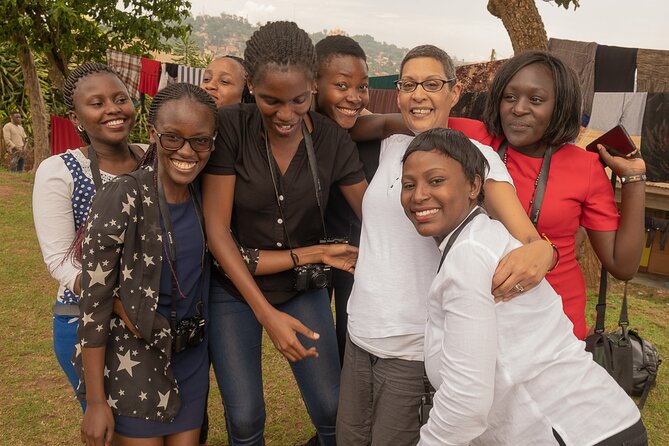
- Three Days With Cameras For Girls
- Bigodi Wetlands And The Sempaya Hot Springs
- Rwenzori Communities And Queen Elizabeth Wildlife
- Ishasha And The Bwindi Gorilla Trek
- Lake Bunyonyi And The Flight To Arusha
- Maasai Culture Before The Serengeti
- Two Serengeti Days, Big Cats And Migration Country
- A Balloon Ride And The Ngorongoro Crater
- Price, Pace, And What You Receive
- Who Should Book This East African Photo Tour?
- Should You Book It?
- FAQ
- How long does the tour last?
- Where does the experience begin?
- What is the maximum group size?
- Is the tour physically demanding?
- Is the flight from Uganda to Tanzania included?
- Is the hot-air balloon ride included?
- Are meals included?
- What photography instruction is provided?
- Can the booking be canceled for a refund?
Key Points At A Glance
- Learn photography while supporting Cameras For Girls: Spend three full days helping teach photography to 15 young women preparing for journalism work.
- Track mountain gorillas in Bwindi: Expect a demanding forest trek followed by one of East Africa’s most moving wildlife encounters.
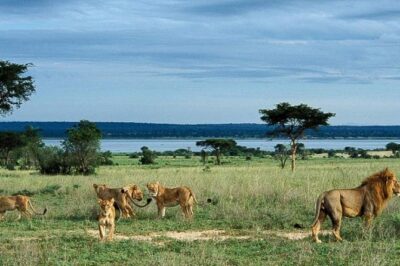
- Photograph Uganda’s varied wildlife: Queen Elizabeth National Park offers lions, elephants, buffaloes, Uganda kobs, and hundreds of bird species.
- See the Serengeti from several angles: Game drives, sunset light, migration country, and a hot-air balloon ride create strong photo variety.
- Meet Maasai and Hadzabe communities: These cultural visits add human stories to a trip otherwise focused on wildlife.
- Travel in a small group: A maximum of eight people should make it easier to ask questions and get help with camera settings.
Why This Tour Works For Serious Photographers
The strongest idea here is not simply taking you to famous parks. It builds photography into the trip from the beginning. You photograph city life in Kampala and Jinja, work with a community education project, practice nature photography in western Uganda, and then apply those skills on safari.
Evening photo reviews are scheduled after several major outings. You can look at images from Kampala and Jinja on the first day, review work from Semuliki and community visits later, and assess gorilla and safari photographs during the Tanzania portion. That rhythm matters. You are not waiting until you get home to discover that your exposure, focus, or composition needs work.
The group size also suits this purpose. With up to eight people, you should have more opportunity to receive individual advice than on a large coach tour. The format is best for someone who wants instruction without spending the entire trip in a classroom.
You should still bring realistic expectations. Wildlife never follows a photographic schedule, and the strongest images may require patience, fast reactions, and changing camera settings. The tour promises guided instruction on every excursion, but the supplied information does not name the individual photography guides or explain the level of instruction, so ask about that before booking.
Other trips worth a look in Kampala:
- 3 Hours Guided Cycling Tour Across Lake Victoria
★ 5.0 · 151 reviews - Kampala’s Best Experience walking tour
★ 5.0 · 137 reviews - 3 Days gorilla trekking Safari tour in Uganda
★ 5.0 · 121 reviews
Kampala And Jinja: A Lively First Day
The opening day gives you a quick introduction to Uganda’s capital before moving east toward Jinja. At Nakasero Market, you get one hour to photograph and explore one of East Africa’s largest markets. It is a useful first assignment because markets give you color, faces, textures, movement, and ordinary daily scenes in a compact area.
You then visit the Bahai Temple, described as the only one of its kind in Africa. Its hilltop position gives you a broad view over Kampala, and the quiet setting provides a clear contrast to the market and downtown streets.
A walking tour through central Kampala follows, with lunch in town before the drive to Jinja. The day is not about checking off major monuments. It is about getting your bearings through food, commerce, streets, and local life.
Jinja brings a different mood. The town is traditionally associated with the source of the White Nile at Lake Victoria, as identified by explorer John Speke. The Nile setting gives you a strong photographic subject after the city walk, especially as the day changes toward evening.
The first day is busy, with several short stops and a transfer to Jinja. You should keep your camera accessible rather than packed away. At dinner, a photo session helps you sort through the day’s work.
Three Days With Cameras For Girls
Days two through four are the most unusual part of the program. Through Cameras For Girls, you join photography training for 15 young women from Makerere University or Uganda Christian University who are working toward journalism careers.
Training begins at 10:00 a.m. after a 9:00 a.m. departure from the hotel. The sessions run until 4:00 p.m. on the first two days, with the final day ending in the afternoon. You can learn alongside the students and help with the teaching if you wish.
This creates a useful pause in the usual safari pattern. Instead of spending every day in a vehicle, you spend time with a local education project and see how photography can support reporting and professional goals. If you care about responsible tourism, this is one of the tour’s clearest strengths because your participation connects with an ongoing training effort.
The three-day block also gives you time to practice basic ideas before the wildlife portion begins. You can work on portraits, visual storytelling, and respectful interaction, then carry those lessons into wetlands, forests, and game parks.
The drawback is that the schedule remains full after the training. On day four, you leave Kampala for Fort Portal, a long road transfer to western Uganda. You should view the training as a central part of the trip, not as a short optional add-on.
Bigodi Wetlands And The Sempaya Hot Springs
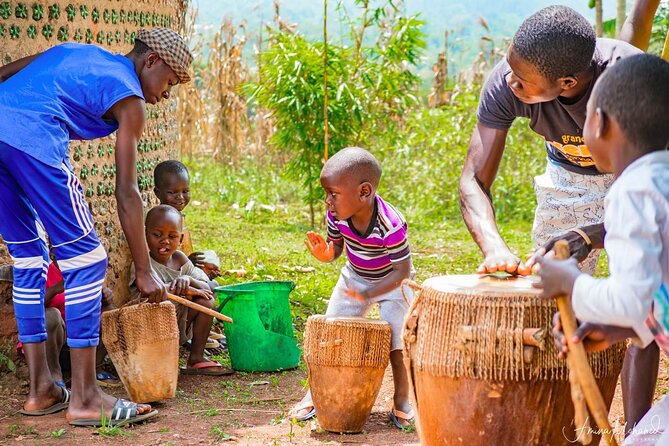
Fort Portal is the base for two very different nature experiences. The first is Bigodi Wetlands Sanctuary, where a guided swamp walk covers about four kilometers over three to four hours at a slow pace.
A boardwalk and observation tower cross the papyrus wetland. This is good territory for close nature photographs, especially if you enjoy plants, birds, and small details rather than only large animals. The walk also directs tourism income to the local community, giving the visit a practical connection to nearby residents.
In the afternoon, you visit Semuliki National Park and the Sempaya hot springs. The park lies near the Mountains of the Moon and includes forest, wetlands, oil palms, and the Semuliki River, described as a smaller version of the Congo River. The area is noted for birdlife and species associated with Central Africa.
The hot springs are the main attraction. The female spring, Nyasimbi, can send bubbling water up to two meters high, while the male spring measures about 12 meters across. Local people traditionally use the hot water to boil food and eggs, bathe, and carry out cleansing practices.
This portion adds geological and cultural variety to a trip dominated by mammals. It also requires comfortable walking shoes. Bigodi is a slow, four-kilometer walk, and the hot springs involve outdoor paths rather than a quick roadside stop.
A few more options to weigh up in Kampala
- Lake Victoria Island Cycling Tour from Kampala
★ 5.0 · 120 reviews - Kampala Walking City Tours (Women Guided)
★ 5.0 · 115 reviews - Kampala Walking Tour (3 Hours) with Optional Gaddafi Mosque Visit
★ 5.0 · 112 reviews - Steve Kampala Walking tours (Airpals Safaris tour)
★ 5.0 · 89 reviews
Rwenzori Communities And Queen Elizabeth Wildlife
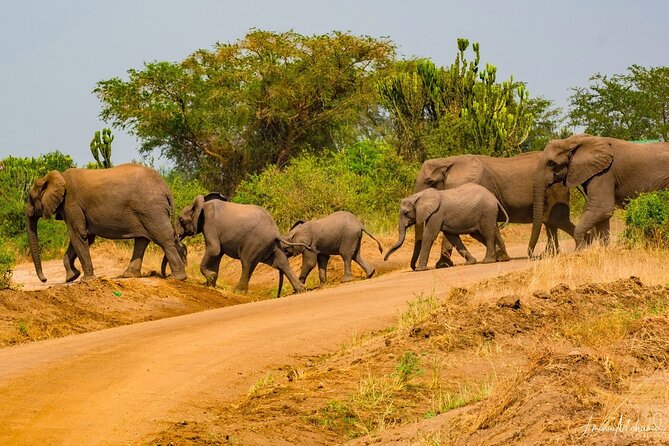
The next day brings a community visit near Rwenzori Mountains National Park. You learn about local crafts from a craftsperson, cook with a local chef, and taste regional food. The stated aim is direct contact with communities that depend on tourism income.
A short hike in the Rwenzori area provides another chance to photograph plants and animals. The elusive strange-horned chameleon is a featured target, although wildlife sightings are never guaranteed. Afterward, you transfer to the Mweya Peninsula in Queen Elizabeth National Park.
The early game drive on day seven begins with a packed breakfast. Queen Elizabeth is described as home to about 95 mammal species and 612 bird species, including Uganda kobs, lions, elephants, and buffaloes. The drive also includes an equator stop and views toward the snowcapped Mountains of the Moon.
You have lunch at Mweya Safari Lodge before more park time in the afternoon. The schedule offers a good mix of open-country wildlife, birds, dramatic views, and a well-known geographic marker.
There is one practical issue: the supplied timing for the afternoon portion is cut off, so you should ask for the exact schedule. The park day begins early and includes several hours in a vehicle, which can be tiring but is useful for reaching different animal habitats.
Ishasha And The Bwindi Gorilla Trek
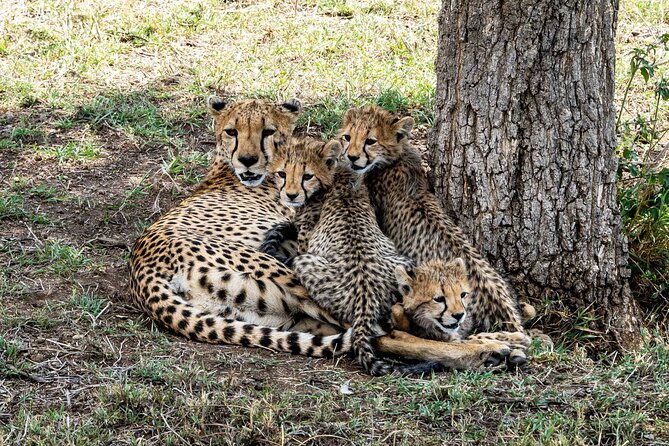
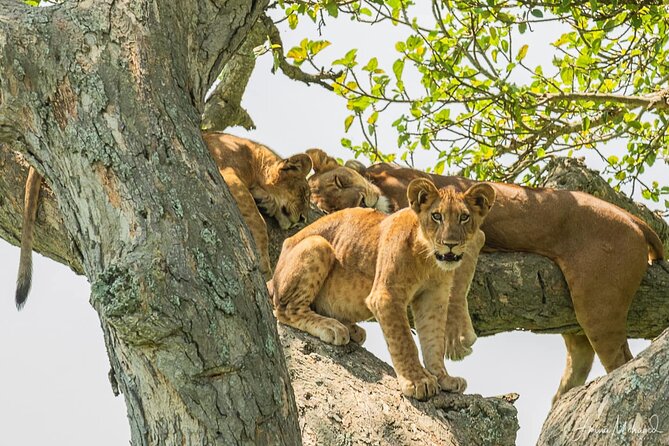
On day eight, you travel through the Ishasha sector toward Bwindi Impenetrable National Park. Ishasha is known for tree-climbing lions, so this transfer is also a wildlife drive rather than dead time. Sightings are never promised, but the route gives you another chance to photograph Uganda’s famous big cats.
The gorilla family assigned to your group is verified before the trek. You arrive in the afternoon, check in, and take a nature walk to waterfalls. That evening includes another photo review, this time focused on the safari.
Gorilla trekking begins with an 8:30 a.m. briefing, followed by the forest trek after the gates open at 9:00 a.m. You carry a packed breakfast, lunch, and water. The walk may be physically demanding because Bwindi is a thick forest ecosystem with uneven terrain and changing conditions.
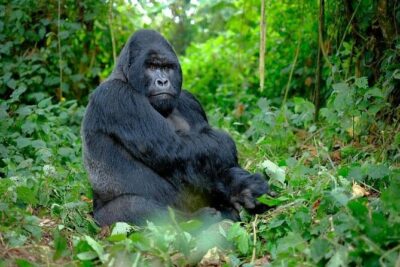
The reward is a close encounter with mountain gorillas living in structured family groups. The visit is limited in time, but the experience depends less on covering a long list of sights and more on observing the animals quietly in their habitat.
You need moderate physical fitness for this tour, and the gorilla day is the clearest reason. Ask ahead about current trekking conditions, porter arrangements, and what camera equipment is practical. The information supplied confirms the physical demand but does not give a typical trek length or difficulty rating.
Lake Bunyonyi And The Flight To Arusha
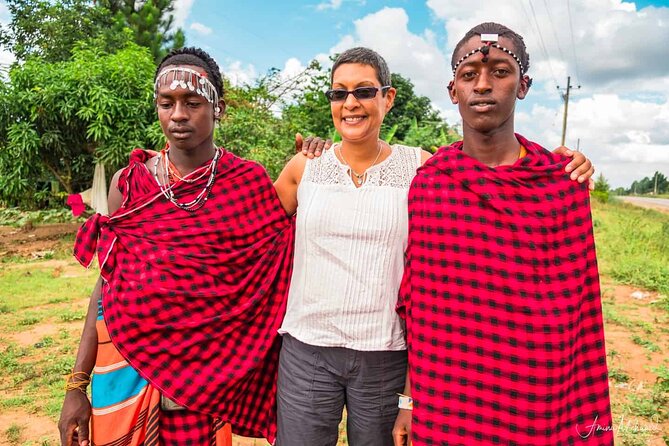
Day ten begins around Lake Bunyonyi, one of Uganda’s most scenic lake areas. The visit is brief, followed by another equator photo stop and time to browse local crafts.
This is a transitional day. You leave Uganda by a one-hour flight and arrive in Tanzania through Kilimanjaro International Airport, where pickup and transfer to an Arusha hotel are arranged. The short flight saves you a long overland crossing and keeps the trip focused on experiences rather than border-road hours.
That convenience comes at the cost of a quick change of rhythm. You move from a forest trek in Uganda to Tanzania’s cultural and safari program with little spare time. A photo review after dinner helps you process the gorilla experience before the next stage begins.
Maasai Culture Before The Serengeti
The Maasai cultural visit on day 11 introduces daily life, dancing, local barbecue, medicine-making, and traditional hunting practices. The program also describes the use of raw animal blood as part of food traditions.
This is potentially a powerful day because it gives you human subjects and cultural stories rather than another vehicle-based wildlife outing. You should approach photography with care and follow the guide’s direction about when and how to photograph people.
The visit is scheduled for about six hours, leaving the afternoon and evening for the transfer back to Arusha lodging and another photo review. It also prepares you for the contrast between community life and the highly protected areas that follow.
Two Serengeti Days, Big Cats And Migration Country
Day 12 involves about five hours of driving from the lodge to Serengeti National Park. The route passes through villages, so you get a look at ordinary rural life before reaching Tanzania’s best-known wildlife park.
You arrive for an evening and sunset game drive. That timing is valuable for photography because lower light can soften the scene, although it also makes shutter speed and focus more demanding. Keep spare batteries ready and avoid burying your longest lens in a bag.
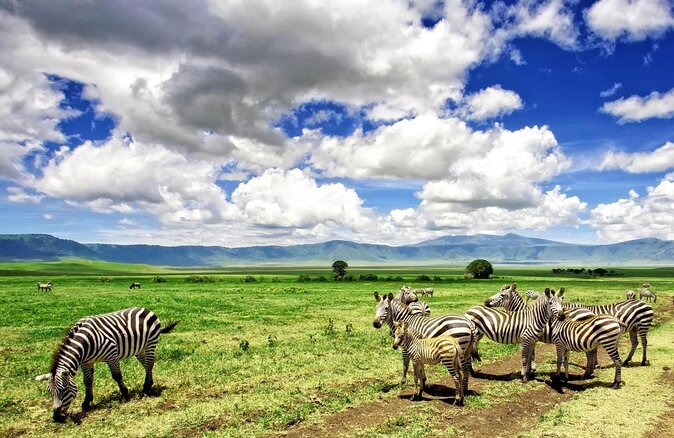
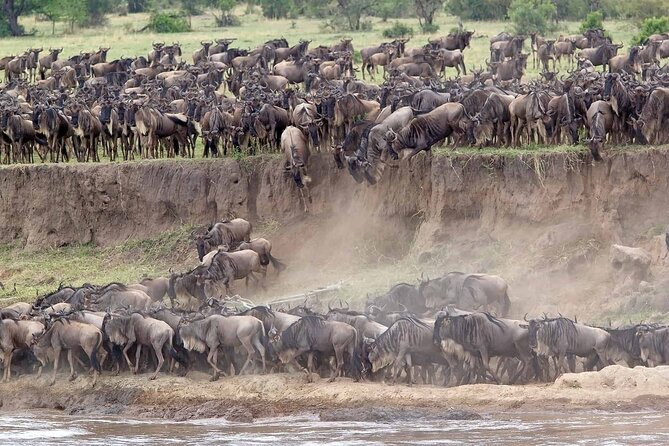
The next day is a full-day game drive with a picnic lunch. You stay out until after sunset and return to Serengeti Acacia Camps for dinner. The park is famous for the Big Five and the annual wildebeest and zebra migration, with herds moving in search of new pasture.
The migration is seasonal and constantly moving, so you should not treat any single crossing as guaranteed. The route may include the southern breeding plains, the western corridor, the Grumeti River, or the Lobo Hills. Each area offers different subjects and light, but the exact wildlife action depends on timing and current animal movement.
A full day in the park gives you the best chance to see more than one type of animal. It can also be tiring. You spend many hours in a safari vehicle, stop for a picnic lunch, and return after sunset. The evening photo review is useful, but you may want to pace yourself rather than photograph every moment.
A Balloon Ride And The Ngorongoro Crater
The hot-air balloon ride is the tour’s most distinctive paid highlight. You leave before dawn, receive a safety briefing, and watch the balloon inflate as the sky brightens. From above, you get a different view of the Serengeti and Ngorongoro area, with the possibility of seeing movement below.
A balloon ride is not a replacement for a game drive. It gives you a wide overhead view and a quiet sense of scale, while a vehicle brings you close to animals and allows more control over direction. For photographers, the balloon offers unusual patterns, shadows, and broad views, but you have limited control over where you fly.
Later, you descend about 600 meters into the Ngorongoro Crater for a game drive and picnic lunch. The crater is part of the Ngorongoro Conservation Area, a UNESCO World Heritage Site, and is one of the trip’s major wildlife settings.
Day 15 continues to Lake Eyasi, where you meet Hadzabe people and learn about hunting, gathering, dancing, and a nomadic lifestyle. The visit adds another human dimension after two days centered on animals.
The following morning returns to the Hadzabe community before a three-hour drive back to Arusha. That final full day includes lunch at camp and one last photo review before airport departure.
Price, Pace, And What You Receive
At $7,015.97 per group of up to eight, the price makes the most sense if you can fill a private group. It includes an air-conditioned vehicle, bottled water, national park and attraction entry, the Uganda to Tanzania flight, and the Ngorongoro hot-air balloon ride.
That is a substantial package. Park fees, an international-style safari vehicle, an internal flight, and a balloon ride can add up quickly when arranged separately. The small maximum group also has value for photographers who need room for equipment and access to direct instruction.
The price details need clarification. Meals are marked optional in the supplied information, with breakfast, lunch, and dinner listed separately. Alcohol, all fees and taxes, tips, and COVID test costs are excluded. Ask for a complete cost sheet before paying, especially because the trip is non-refundable and cannot be changed after booking.
The title calls this a 16-day tour, but the schedule runs from day one through day 17. Plan for roughly 17 days, including the final airport transfer.
Who Should Book This East African Photo Tour?
You should consider it if you want wildlife, culture, and photography instruction in one long trip. It suits photographers who enjoy learning in the field, can handle early departures and long drives, and want gorillas and the Serengeti in the same journey.
It is also a strong choice if community-based travel matters to you. Cameras For Girls, the Bigodi Wetlands project, craft learning near the Rwenzori Mountains, Maasai life, and the Hadzabe visit give the trip more purpose than a park-only holiday.
You may want a different trip if you prefer a slow pace, luxury downtime, or a tightly defined photographic plan. The schedule is full, the gorilla trek requires moderate fitness, and several details about meals, guide names, lodging, and afternoon timings should be confirmed before booking.
Should You Book It?
Book this tour if your priority is variety: city streets, the Nile, wetlands, hot springs, mountain forests, gorillas, crater wildlife, Maasai culture, Hadzabe traditions, and the Serengeti migration all appear in one journey.
I would book only after confirming the final price, meal arrangements, exact accommodation, guide qualifications, photography instruction, and the day seven timing. If those details suit you and you can manage the pace, this is a rare chance to combine serious photo practice with some of East Africa’s most memorable encounters.
FAQ
How long does the tour last?
The schedule runs from day one through day 17, so you should plan for approximately 17 days. The experience title refers to 16 days, but the daily program includes a final day in Arusha for airport departure.
Where does the experience begin?
The stated meeting point is Entebbe Airport in Uganda. The tour summary also says pickup is offered, so confirm the exact pickup arrangement when booking.
What is the maximum group size?
The tour accepts a maximum of eight participants.
Is the tour physically demanding?
Yes. A moderate physical fitness level is required. The program includes a four-kilometer Bigodi Wetlands walk, a short Rwenzori hike, long safari days, and gorilla trekking in Bwindi.
Is the flight from Uganda to Tanzania included?
Yes. The one-hour flight from Uganda to Tanzania is included, with arrival at Kilimanjaro International Airport and a transfer to Arusha.
Is the hot-air balloon ride included?
Yes. The package includes a hot-air balloon ride over the Ngorongoro Crater and Serengeti area.
Are meals included?
Breakfast, lunch, and dinner are listed as optional inclusions. Confirm which meals are covered in your specific booking. Alcoholic drinks are not included.
What photography instruction is provided?
Guided photography instruction is offered during excursions, and evening photo reviews are scheduled after several days. The program also includes three days of photography training with Cameras For Girls.
Can the booking be canceled for a refund?
The experience is non-refundable and cannot be changed for any reason. If the operator cancels because the minimum number of participants is not met, you will be offered another date or experience, or a full refund.
Just added in Kampala
- Uganda Equator Tour From Kampala To Kayabwe★ 5.0 · 4 reviews
- Uganda: 3-Day Gorilla Experience from Entebbe★ 5.0 · 2 reviews
- Uganda: 1-Day Murchison Falls Park Safari with Boat cruise★ 5.0 · 3 reviews
- Entebbe kampala airport transfers★ 5.0 · 3 reviews
- 3-Day Mind Refreshing in Murchison Falls National Park★ 5.0 · 4 reviews
- 3 Days Uganda Gorilla trek Safari Tour★ 5.0 · 4 reviews
- Weekend Package B★ 5.0 · 7 reviews
- Uganda 4 days Gorilla Trekking★ 5.0 · 3 reviews
Kampala Tours, compared.
3 Hours Guided Cycling Tour Across Lake Victoria
Read our review →
3 Days gorilla trekking Safari tour in Uganda
Read our review →
Kampala Walking Tour (3 Hours) with Optional Gaddafi Mosque Visit
Read our review →
Steve Kampala Walking tours (Airpals Safaris tour)
Read our review →