
REVIEW · FOOD & DRINK
Kampala: Three-Hour Food Tour
Kampala eats best on foot. This three-hour food tour moves from a local café to Kamwokya market, street stalls, a roast-meat stop, and a generous Ugandan meal. I like the fresh rolex made at Ugaroll and the chance to taste fruit as it is cut in the market. I also like that the tour includes a boda ride, since it adds a practical bit of Kampala transport to the food story.
The main consideration is that this is a street-food outing, not a polished culinary class. You walk through working neighborhoods, eat at simple local places, and may find the pace or comfort level less predictable than on a restaurant-based tour. A past booking also raised concerns about transport and the handling of fruit at the final restaurant, so it is wise to confirm each included transfer with your guide.
In This Review
- What makes this Kampala food tour worth your time
- Starting at Cafe Javas in Kawokya
- Ugaroll and the first warm rolex
- Walking through Kamwokya market
- Samosas, sesame cakes, and more street food
- Roast meat at a local grill
- The 15-minute boda ride
- A generous final meal of Ugandan staples
- What the guides add to the experience
- Is $71 a fair price?
- Who should book this tour?
- My verdict on the Kampala food tour
- FAQ
- Where does the Kampala food tour meet?
- How long does the tour last?
- What food is included?
- Is a boda ride included?
- Are drinks included?
- Are vegetarian and halal options available?
- What languages can the guide speak?
What makes this Kampala food tour worth your time
- Ugaroll’s freshly made rolex: Watch a cook prepare Uganda’s famous chapati-and-egg roll, then eat it warm rather than settling for a pre-made snack.
- Kamwokya market fruit tasting: Try passion fruit, mango, pineapple, melons, and other fruit that is in season.
- Street snacks in their natural setting: Samosas, sesame cakes, and additional rolex bring you close to the people who feed Kampala’s working population.
- Roast meat at a local grill: Sample one of Uganda’s most popular savory foods before the final meal.
- A boda ride through Kampala: The 15-minute motorbike taxi journey is part transport and part city experience.
- A large plate of local staples: Smoked tilapia, beef in peanut sauce, chicken cooked in banana leaves, and other dishes make the final stop more than a quick tasting.
Starting at Cafe Javas in Kawokya
You meet your guide at the entrance of Cafe Javas, in the food-focused suburb of Kawokya. The mid-morning start is useful. You avoid beginning at the hottest part of the day, and the first meal stop arrives early enough to feel like a proper snack rather than a late lunch.
Kawokya is a practical place to begin because the tour quickly moves away from familiar café surroundings and into local food businesses. I would arrive with an appetite, but not an empty stomach. The plan includes several snacks before the large final meal, and the portions may add up faster than you expect.
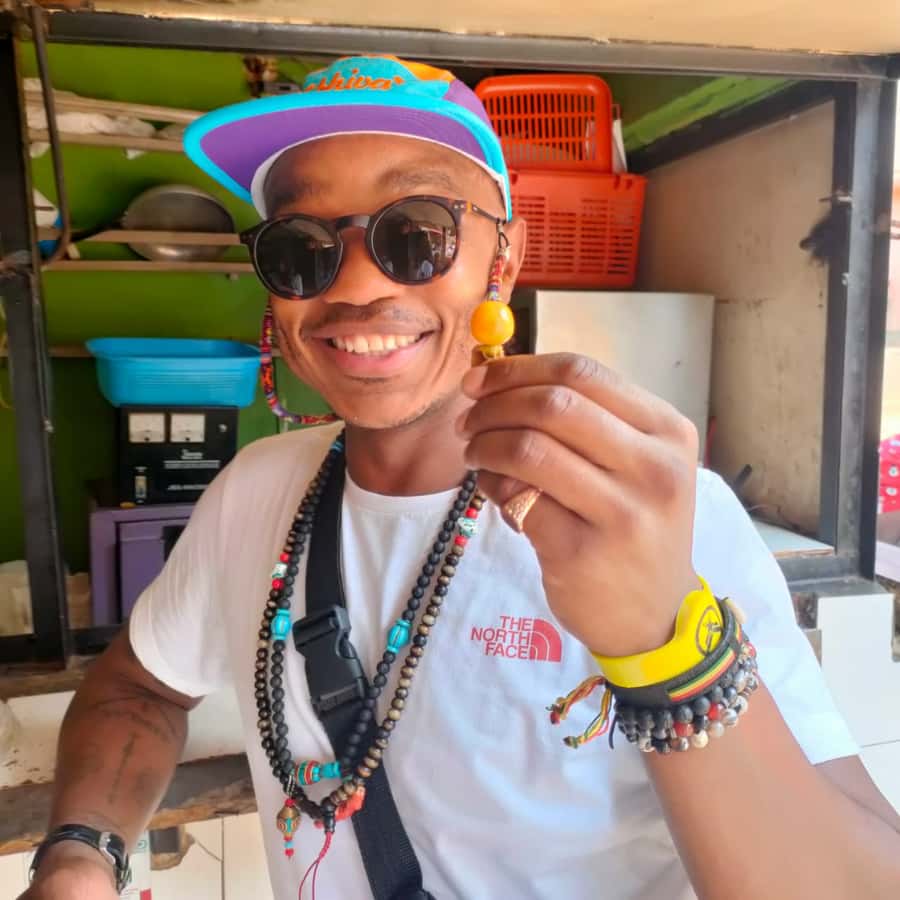
Your guide matters here. Andrew has received especially warm praise for explaining dishes, answering questions, and paying attention to comfort and safety. Ronald has also led the tour in English and German, with a friendly style and a strong feel for the area. Another booking names Roland, so the guide assigned to you may vary.
The advertised languages are English, German, and French. If you have dietary needs, state them when booking and again at the start. Vegetarian and halal choices are available at every stop, which makes this tour easier to recommend to a wider range of eaters.
More food tours in Kampala:
- Cooking Class for Typical Ugandan Food in Kampala
★ 5.0 · 25 reviews - Private Ugandan Food Cooking Class and Culture Experience
★ 5.0 · 6 reviews - Nighttime Boda Boda Street Food Tour
★ 5.0 · 6 reviews
Ugaroll and the first warm rolex
The first food stop is Ugaroll, a café known for its rolex. The name can sound grand, but the food is simple and satisfying: a chapati wrapped around egg, with other fillings depending on the preparation. The appeal is freshness. You watch the dish being made, then eat it while it is still warm.
This is one of the best parts of the experience for anyone who wants to understand Kampala through everyday food. A rolex is not presented as a special occasion dish. It is the sort of filling, affordable food that works for people heading to work or looking for a quick meal.
Pay attention to the preparation. The vendor’s work is part of the attraction, not just a prelude to eating. You see the dish come together in front of you, and your guide can explain where it fits in Uganda’s food culture.
The first rolex also gives you a useful reference point for later tastings. You may encounter another version at Kamwokya market. Comparing the two is more interesting than simply ticking off dishes. Texture, seasoning, size, and the amount of egg can change from one seller to another.
Walking through Kamwokya market
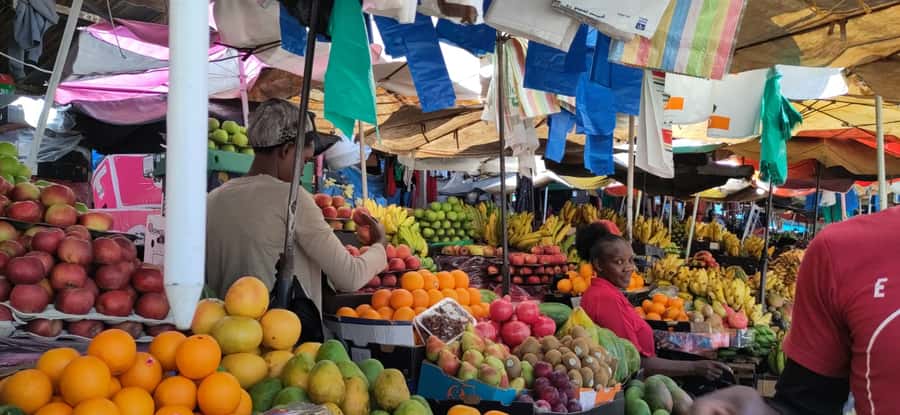
The market section is the heart of the tour. You walk through Kamwokya market, where fruit sellers and street-food vendors work side by side. This is not a staged food hall. You are seeing ordinary commerce and eating in the same places local customers use.
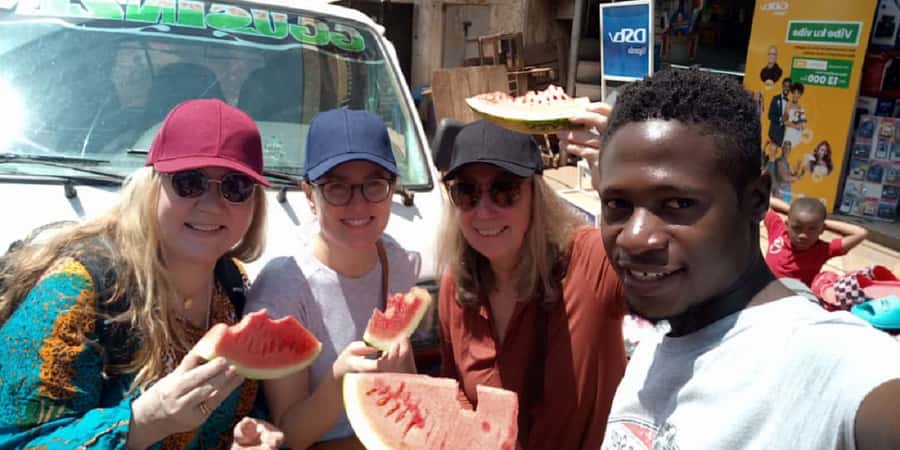
The fruit tasting gives the tour a lighter pause between heavier foods. Depending on the season, you may try passion fruit, mango, pineapple, melons, and other tropical fruit. In-season produce is usually the best way to understand a place’s food habits, since it shows what is readily available rather than forcing a fixed menu all year.
Passion fruit brings sharp acidity, while mango and pineapple offer more sweetness. Melons provide a cooler, milder bite. Your guide can help you identify the fruit and explain how people use it, though the exact selection depends on what the market has that day.
The market can also be the least comfortable part of the outing. You are walking through a working neighborhood, not a quiet museum. Keep your belongings secure, follow your guide’s lead, and wear shoes that handle ordinary city walking. The tour description does not give a total walking distance, but the route includes a market walk and a later transfer to the restaurant, so comfortable footwear is sensible.
Samosas, sesame cakes, and more street food
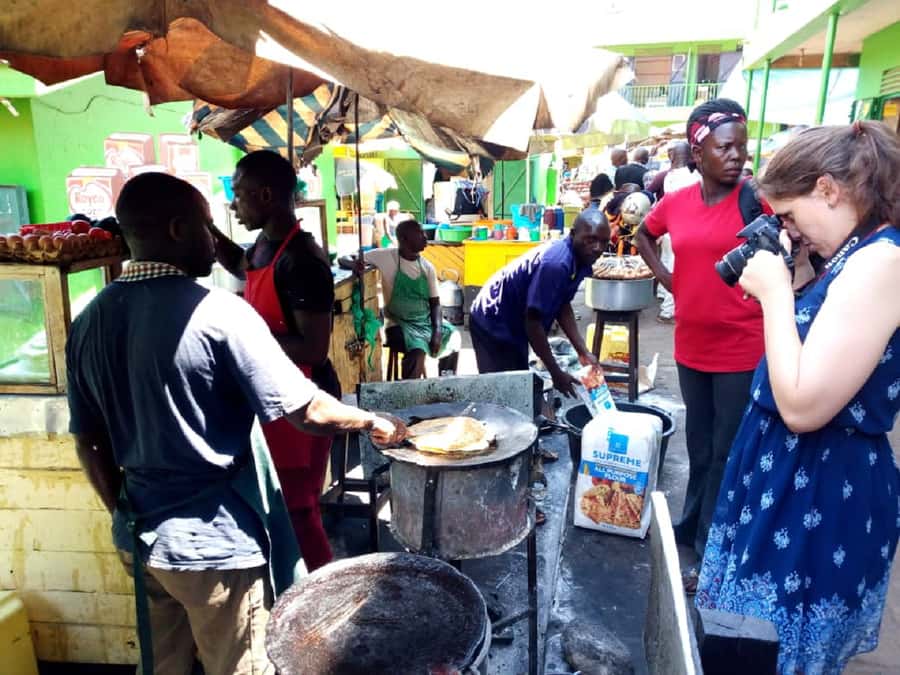
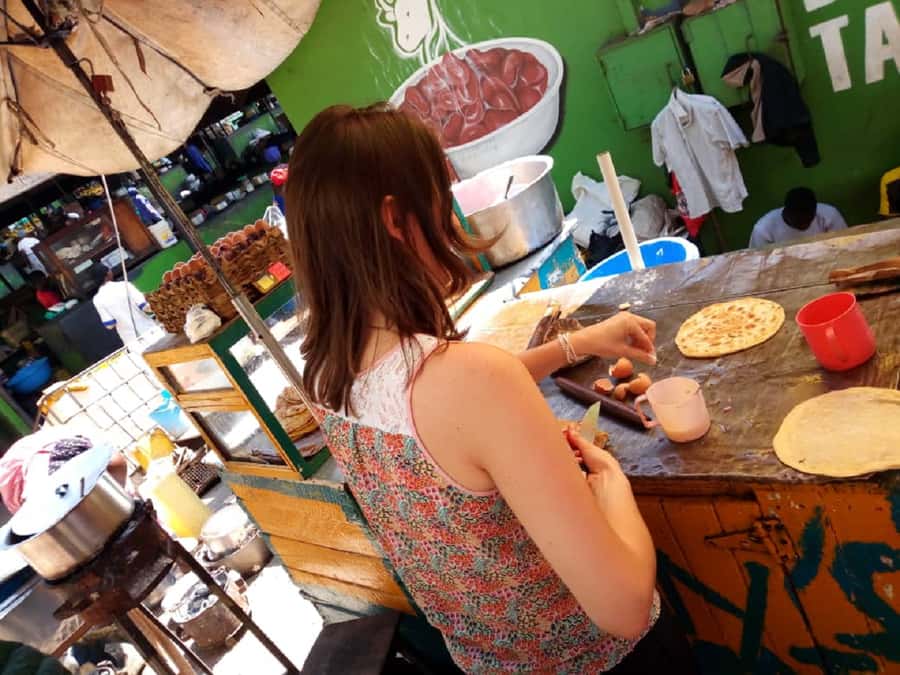
After the fruit, you sample snacks from local stalls. Samosas offer a familiar starting point for many visitors, while sesame cakes provide a sweeter, seed-based change of pace. You may also have another rolex.
This part of the tour is valuable because it shows how varied street food can be. You are not eating one signature dish and leaving. You are trying small portions from several kinds of sellers, each with a different role in the market.
I would treat the snack stops as tastings rather than full meals. The final restaurant includes a large spread, and eating every sample quickly could leave you too full for the main event. Ask your guide what is coming next if you need to pace yourself.
The food is prepared in front of you at the stalls, which adds both flavor and context. You see the cooking method, the ingredients, and the speed of service. That direct contact with vendors is one of the strongest reasons to choose this experience over a standard restaurant meal.
A completely different kind of day:
- 3 Hours Guided Cycling Tour Across Lake Victoria
★ 5.0 · 151 reviews - Kampala’s Best Experience walking tour
★ 5.0 · 137 reviews - 3 Days gorilla trekking Safari tour in Uganda
★ 5.0 · 121 reviews - Lake Victoria Island Cycling Tour from Kampala
★ 5.0 · 120 reviews
Roast meat at a local grill
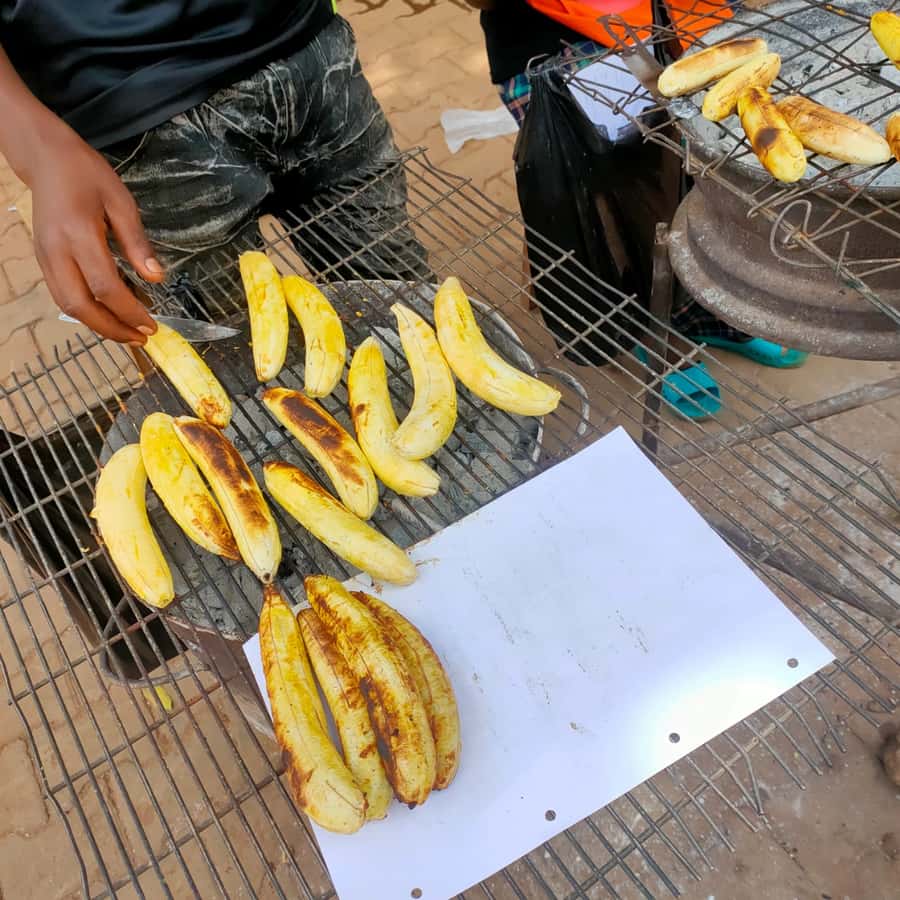
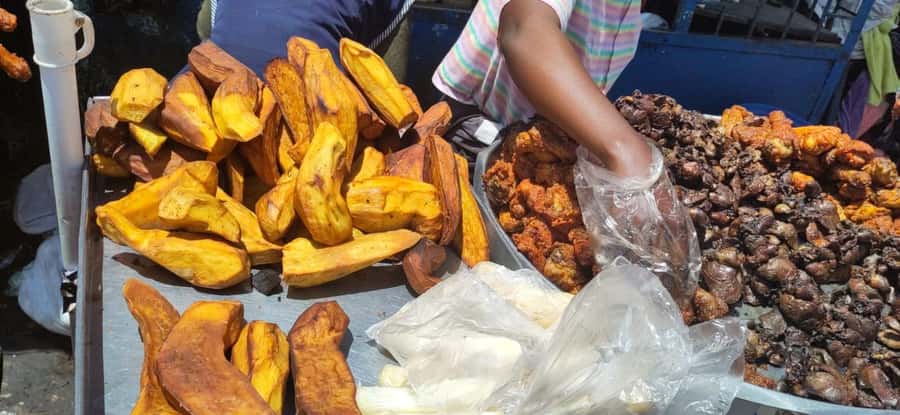
The next stop is a local grill serving Uganda’s most popular roast meat. The supplied details do not specify the exact cut or animal, so you should ask your guide what is being served that day and how it is prepared.
A grill stop gives the route a savory center before the final buffet. It also shifts the mood from wrapped snacks and fruit to a more substantial local staple. You can watch the vendors work and see how food is cooked for customers who want something filling and direct.
This is another point where the setting may be basic. The experience is about the food and the people preparing it, not table service or elaborate presentation. If you prefer controlled dining conditions, this stop may feel rough around the edges. If you want to see how everyday meals are produced, it is a useful part of the route.
The 15-minute boda ride
From the food stops, you take a boda, or motorbike taxi, to the final restaurant. The ride is described as lasting about 15 minutes, and the package includes transport to the last stop and the return journey to the starting point.
For me, this is more than a way to cover distance. Kampala’s traffic is part of city life, and a boda gives you a direct sense of how people move around town. Still, a motorbike taxi is not for everyone. If you feel uneasy, tell your guide before setting off and make sure you understand the transport plan.
One booking reported that the promised boda was not offered until the participant insisted, and that the return ride was also unclear. That is not a reason to reject the tour outright, but it is a good practical lesson: confirm that the included ride is arranged before leaving the grill, and confirm how you will return to the starting point.
The route description also gives one distance estimate that did not match a participant’s experience. You should not rely on a short walk unless your guide confirms it. Kampala traffic can make timing unpredictable, especially if you arrive late. One guide waited for a group delayed by traffic, but arriving on time remains the fairest choice.
A generous final meal of Ugandan staples
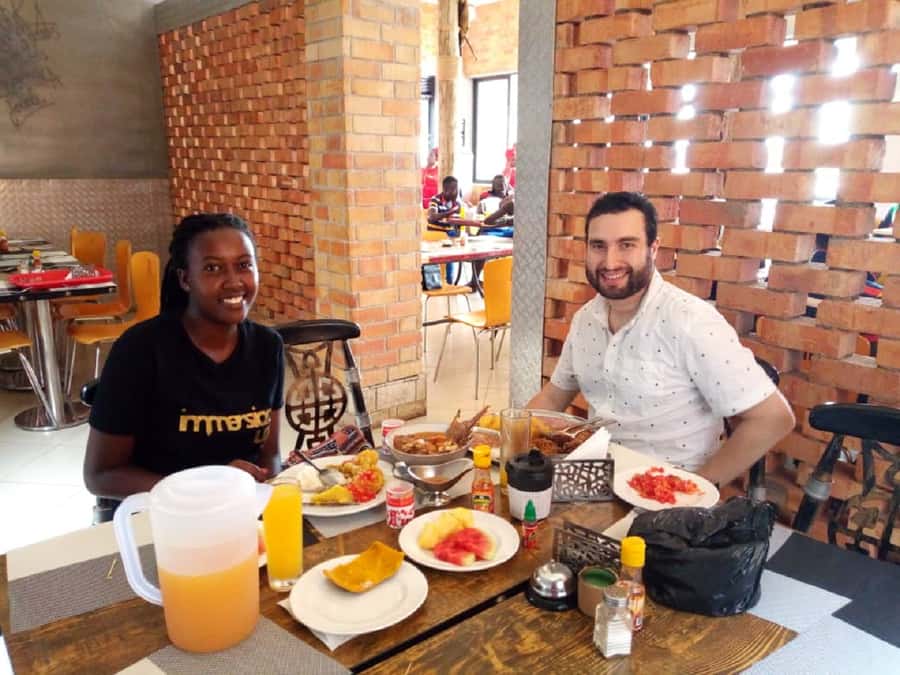
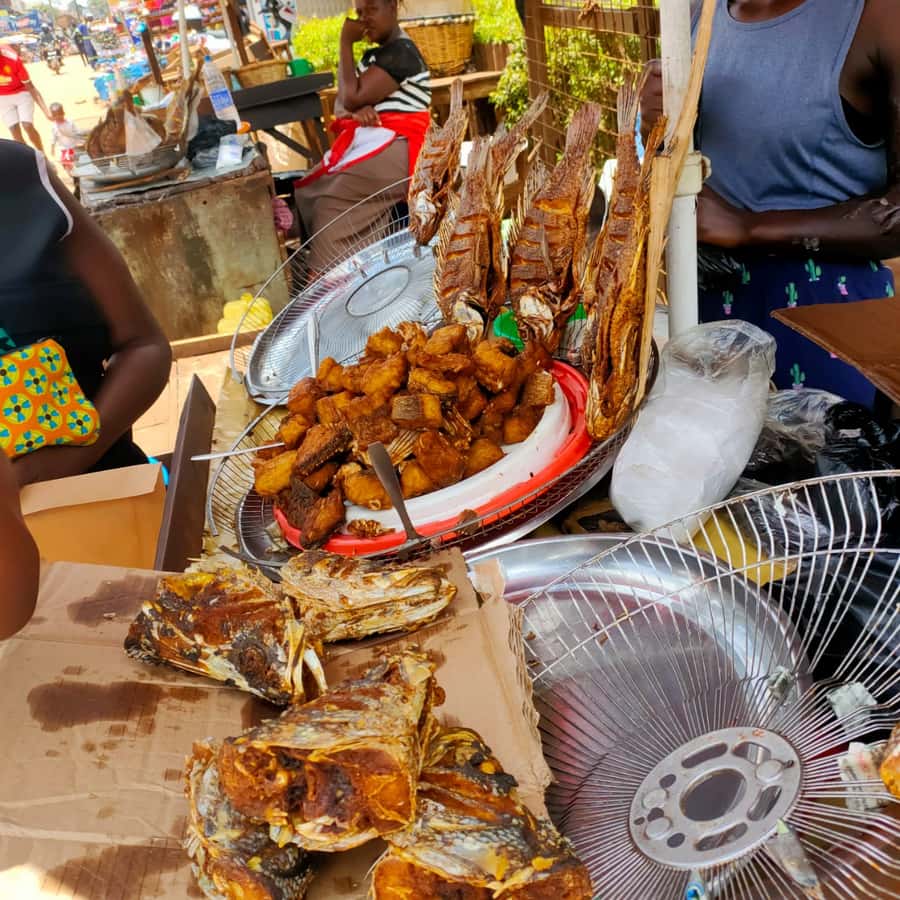
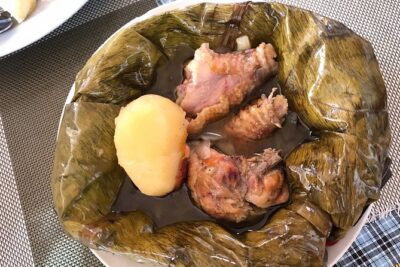
The final restaurant is where the tour turns into a full meal. You sit down to a broad spread of local dishes, including smoked tilapia, beef in peanut sauce, chicken steamed in banana leaves, and other staples.
This is not a tiny tasting menu. One participant described eating so much that moving afterward was difficult. If you want a proper introduction to Ugandan food, this generous serving is a major strength. You can try several dishes without ordering a full plate of each one.
Smoked tilapia brings a distinct fish flavor and a firmer texture. Beef in peanut sauce adds a savory, nutty element. Chicken cooked in banana leaves offers a different aroma and method of preparation. The exact selection may vary, since the tour says the meal includes these dishes and more rather than promising a fixed menu.
You receive bottled water and a soft drink with the big meal. Alcoholic drinks are not included. Bring enough appetite for this stop, but do not feel pressured to finish every dish. The point is to taste across the table and ask questions.
There is one practical issue to watch. One participant reported that a bag of fruit was taken by the restaurant staff because outside food was not allowed and was not returned. Keep track of your purchases, ask before bringing market food inside, and make sure you understand where personal items will be kept.
What the guides add to the experience
The food is the reason to book, but the guide can determine how much you take away. Andrew is praised for explaining the origins of Ugandan dishes, discussing cooking methods, and sharing details about local life. He has also been described as attentive during the boda ride.
Ronald has led tours in German and is praised for humor, warmth, and answering questions. Roland is also named as a guide who shared information about the immediate area and Uganda more broadly. The available guide language may depend on the date and assignment, so confirm your preferred language when reserving.
The strongest guide experience here is conversational. You can ask why a certain dish is eaten, how fruit is sold, or what makes one preparation different from another. I would arrive with a few questions ready, since a food tour becomes much more useful when you treat it as a conversation rather than a sequence of samples.
Is $71 a fair price?
At $71 per person, the tour costs far more than buying a rolex, fruit, or a restaurant meal on your own. That comparison is fair, especially for local residents or confident independent eaters.
You are paying for the guide’s time, interpretation, all food and snacks, bottled water, a soft drink, and the boda transport to and from the last stop. You are also paying for a route that would be difficult to reproduce comfortably on a first visit, especially if you do not know which stalls to approach or how to order.
The value is strongest if you want context, introductions, and a planned tasting route. It is weaker if you mainly want cheap food or already know Kampala well. One dissatisfied participant felt the experience was worth about half the price, citing transport problems, the missing soft drink, and the lost fruit. Those complaints make it especially important to confirm what is included at the beginning.
The overall rating is 4.6 from 15 ratings, with many strong marks for food, guide quality, and local insight. That suggests the tour can be very good, but the small number of ratings and the uneven service details mean you should book with realistic expectations.
Who should book this tour?
I would recommend it to first-time visitors who want a quick, food-centered introduction to Kampala. It suits you if you enjoy market walks, simple eateries, food prepared in front of you, and trying several dishes in one morning.
It is also a good fit for solo visitors who want a local guide and a structured way to sample food. The guide can help with questions and make the boda transfer less daunting.
Vegetarians and halal diners can join, since those options are available at every stop. Tell the provider in advance so the arrangements are clear.
I would hesitate if you want a quiet, polished dining experience, have limited comfort with street food, or dislike motorbike taxis. The tour is also a poor choice if you are looking only for the cheapest possible meal. Its value comes from the route, explanations, access to local sellers, and range of tastings.
My verdict on the Kampala food tour
Book this tour if you want to eat Kampala as people eat it day to day: a hot rolex, cut fruit, market snacks, roast meat, and a table full of local dishes. The food variety is excellent for three hours, and the guides, especially Andrew and Ronald, appear to be the strongest part of the experience.
Before you set off, confirm the boda rides, the soft drink, and what happens to any fruit you buy at the market. With those details clear, the $71 price is reasonable for a guided introduction to Kampala’s working food culture. You will get the most from it if you arrive hungry, curious, and ready for a little dust, traffic, and improvisation.
FAQ
Where does the Kampala food tour meet?
You meet your guide at the entrance of Cafe Javas in Kawokya.
How long does the tour last?
The experience lasts three hours.
What food is included?
All food and snacks tasted during the tour are included. Tastings may include rolex, tropical fruit, samosas, sesame cakes, roast meat, smoked tilapia, beef in peanut sauce, chicken steamed in banana leaves, and other local dishes.
Is a boda ride included?
Yes. Transport by boda to the final stop and the return journey to the starting point are included.
Are drinks included?
Bottled water and a soft drink are included during the large meal at the end. Alcoholic drinks are not included.
Are vegetarian and halal options available?
Yes. Vegetarian and halal options are available at all stops.
What languages can the guide speak?
Live guides are available in English, German, and French.
Just added in Kampala
- Uganda Equator Tour From Kampala To Kayabwe★ 5.0 · 4 reviews
- Uganda: 3-Day Gorilla Experience from Entebbe★ 5.0 · 2 reviews
- Uganda: 1-Day Murchison Falls Park Safari with Boat cruise★ 5.0 · 3 reviews
- Entebbe kampala airport transfers★ 5.0 · 3 reviews
- 3-Day Mind Refreshing in Murchison Falls National Park★ 5.0 · 4 reviews
- 3 Days Uganda Gorilla trek Safari Tour★ 5.0 · 4 reviews
- Weekend Package B★ 5.0 · 7 reviews
- Uganda 4 days Gorilla Trekking★ 5.0 · 3 reviews
Food & Drink, compared.
Cooking Class for Typical Ugandan Food in Kampala
Read our review →
Private Ugandan Food Cooking Class and Culture Experience
Read our review →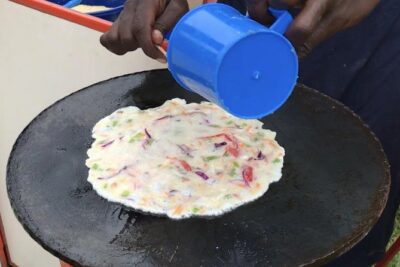

Kampala Bar Crawl, Beer Tasting and Street Food (6 Hours)
Read our review →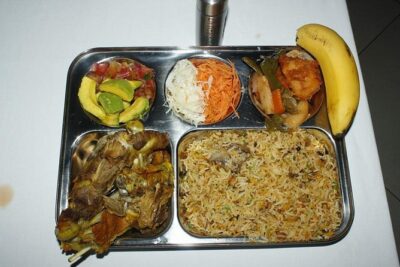
Browse the lists this tour appears in