
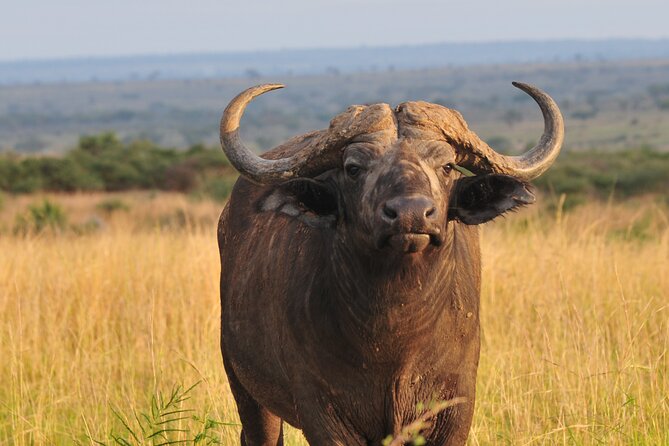
REVIEW · GORILLA TREKKING
12-Day Big 5, Chimp & Gorilla Trekking Safari
Uganda packs its wildest moments into twelve busy days. This circuit links Kampala, Murchison Falls, Kibale, Queen Elizabeth, Bwindi, Lake Bunyonyi, Lake Mburo, and Mabamba Swamp, giving you a broad look at Uganda rather than a single-park visit. I especially like the chimpanzee tracking in Kibale and the chance to add Ziwa Rhino Sanctuary to the route, since together they help deliver a genuine Big Five experience. The gorilla trek is the clear centerpiece, but the Nile cruise, Kazinga Channel boat ride, and shoebill search keep the trip from feeling like one long drive.
I also like the personal touch reported by guests who traveled with guide Hamza, particularly his careful planning, wildlife knowledge, and attention to safe travel. The main consideration is pace: twelve days cover a lot of ground, and several driving days are around six hours. At $4,300 per person, the trip can offer solid value if permits, lodging, meals, transport, and park activities are included as promised, but you should confirm the exact inclusions before paying.
In This Review
- Six things to know before booking
- Day 1: Kampala’s royal sites and city views
- Day 2: Rhinos at Ziwa, then north to Murchison Falls
- Day 3: An early game drive and the Nile cruise
- Day 4: The long road to Kibale Forest
- Day 5: Chimpanzees and Bigodi Wetland
- Day 6: Salt mining, birds, and Queen Elizabeth’s plains
- Day 7: Kasenyi wildlife and the Kazinga Channel
- Day 8: Ishasha’s tree-climbing lions and Bwindi
- Day 9: Gorilla trekking in Bwindi
- Day 10: Lake Bunyonyi after the gorillas
- Day 11: Walking in Lake Mburo, the equator, and Entebbe
- Day 12: Mabamba Swamp and the shoebill
- Is $4,300 good value?
- Who should book this safari?
- Should you book it?
- FAQ
- Where does the safari begin?
- How long is the safari?
- What is the maximum group size?
- Does the safari include gorilla trekking?
- How long can the gorilla trek take?
- Where do you track chimpanzees?
- Does the safari include rhino tracking?
- Can you cancel for a full refund?
Six things to know before booking
- Ziwa Rhino Sanctuary helps complete the Big Five goal: You can track southern white rhinos on foot before continuing north to Murchison Falls.
- Kibale gives you more than chimpanzees: The forest is home to 15 primate species, and Bigodi Wetland adds birds, monkeys, and a community walk.
- Gorilla trekking can last from 45 minutes to six hours: The gorilla family’s location decides the length, so fitness and proper clothing matter.
- Two boat rides bring a welcome change of pace: The Nile cruise focuses on crocodiles, hippos, and birds, while Kazinga Channel offers dense animal viewing.
- The final days add unusual stops: Lake Bunyonyi’s island stories, a Lake Mburo nature walk, and Mabamba’s shoebill search broaden the trip.
- This is a small-group-style itinerary: The maximum group size is 15, though the gorilla trek itself is described as a group of up to eight trekkers with guides and rangers.
Day 1: Kampala’s royal sites and city views
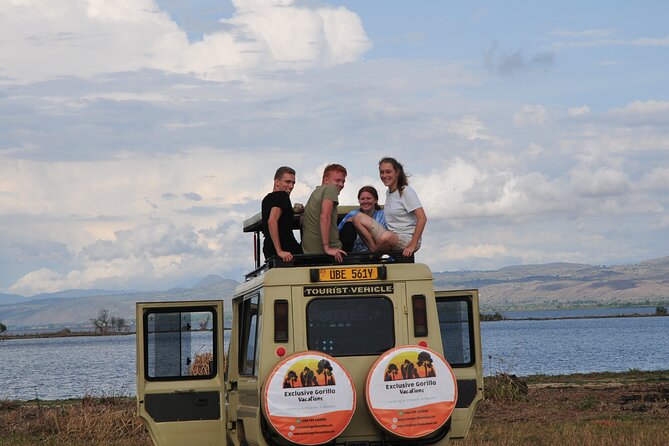
Your safari begins at Entebbe International Airport, where a representative from Exclusive Gorilla Vacations meets you and gives a briefing before the short drive to Kampala. Starting with the capital makes sense. You get context for Uganda before heading into the parks, though the day may feel full after an international flight.
The city program includes the Kasubi Tombs, the burial place of Buganda kings, and Kabaka’s Palace. The palace also contains the chambers associated with Idi Amin, a stark reminder of Uganda’s difficult political past. At the Buganda Parliament, you get another look at the kingdom’s place in Ugandan public life.
The Gaddafi National Mosque provides one of the day’s best views. Climbing the minaret lets you see Kampala from above, which helps you understand the city’s hills and busy streets. Visits to Owino and Nakasero markets add ordinary city life, with produce and local trade rather than a polished sightseeing show.
I would treat this first day as an introduction, not a full city tour. If your flight arrives late, ask how much of the Kampala program can realistically be completed without turning the day into a race.
More gorilla treks:
- 3 Days gorilla trekking Safari tour in Uganda
★ 5.0 · 121 reviews - 8-Day Murchison Falls, Chimp and Epic Gorilla Trekking Safari
★ 5.0 · 72 reviews - 5-Day Pearl of Africa Chimps and Gorilla Trekking Safari
★ 5.0 · 52 reviews
Day 2: Rhinos at Ziwa, then north to Murchison Falls
The drive to Murchison Falls takes much of the day, but Ziwa Rhino Sanctuary gives the long transfer a worthwhile purpose. Southern white rhinos were wiped out in Uganda during the 1980s, and Ziwa serves as a breeding site for their return to the wild. It is described as the only place in Uganda where you can see these rhinos in a wild setting.
This stop matters because the safari’s Big Five claim depends on more than luck inside the national parks. At Ziwa, you specifically track rhinos before continuing toward Murchison Falls. If seeing all five is important to you, remember that wildlife remains unpredictable. Rhino is the most structured sighting on this route, while leopard sightings are possible but never assured.
An en-route lunch breaks up the drive. You should expect a road-heavy day, followed by arrival at Murchison Falls National Park later on. Keep water, sun protection, and a few snacks handy in the vehicle. The itinerary lists the transfer at roughly six hours, but road conditions and stops can affect the timing.
Day 3: An early game drive and the Nile cruise
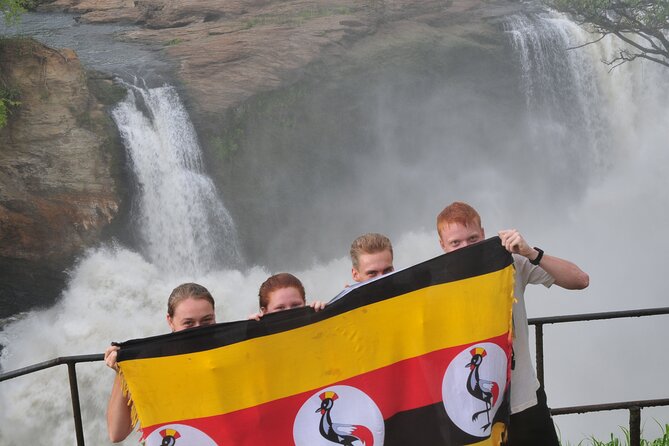
The morning begins around 6 a.m. with coffee and a snack, an excellent schedule for Murchison Falls. Early hours can offer sightings of predators before they retreat, along with antelopes, giraffes, buffaloes, hippos, and the park’s Nubian giraffes.
You return for breakfast during the drive, continue looking for animals, and then go back to the lodge for lunch. This split gives you a chance to rest before the afternoon activity, which is important because game drives can be tiring even when you are sitting down.
The three-hour Nile River cruise is one of the most appealing parts of the park visit. From the boat, you may see crocodiles and hippos close to the water, with aquatic birds along the banks. Elephants and buffaloes may also come to the river to drink. A boat changes your viewpoint completely, and it is often easier to watch hippos and birds from the water than from a vehicle.
The day offers a good balance, but the early start and long game drive mean you should not plan a late night. Ask ahead about the exact lodge location, since the time spent reaching the park gates can affect your rest.
Day 4: The long road to Kibale Forest
After an early breakfast and checkout, you travel toward Kibale National Park. The route includes the Butiaba Escarpment, where you can look across Lake Albert and the eastern arm of the Great Rift Valley. The scenery becomes part of the day’s reward, especially around Fort Portal and its tea plantations.
Kibale is known here for 15 primate species, including chimpanzees, black-and-white colobus monkeys, and mangabeys. That makes the next morning more than a single-animal outing. You are entering one of Uganda’s main forest areas for primate watching.
The tradeoff is another six-hour road day. This safari covers the northern, western, and southwestern parts of Uganda, so transfers are unavoidable. I would use this time to rest, watch the changing countryside, and avoid scheduling anything demanding after arrival. Dinner and an early night prepare you for the chimpanzee briefing.
More chimpanzee tracking:
- 8-Day Murchison Falls, Chimp and Epic Gorilla Trekking
★ 5.0 · 32 reviews - 15-Day Gorilla and chimps Trekking, Big 5 and Nature Sighting Safari
★ 5.0 · 31 reviews - 5 Days Uganda Gorilla, Chimpanzee and Wildlife Safari
★ 5.0 · 29 reviews - 5 Day Gorillas, Wildlife and Kalinzu Forest Chimp Trek
★ 5.0 · 27 reviews
Day 5: Chimpanzees and Bigodi Wetland
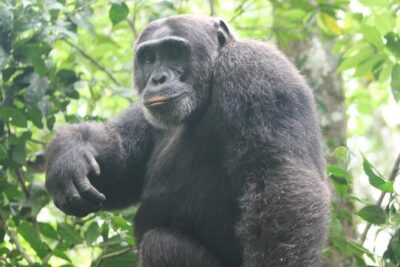
Chimpanzee tracking begins with a briefing at the park headquarters. A forest guide leads you through Kibale in search of chimpanzees and other primates. Once you find the chimpanzee group, the stated viewing time is one hour, giving you time to watch feeding, movement, and social behavior.
The forest can also produce sightings of L’Hoest monkeys, colobus monkeys, and baboons. Birders should pay attention to the African broadbill and Ross’ turaco, while butterflies and forest plants add interest between primate sightings. The forest is not a zoo, so you need patience. The animals choose the pace.
In the afternoon, Bigodi Wetland Sanctuary offers a different kind of nature walk. Colobus and blue monkeys may appear, and the wetland is noted for strong birdlife. A community walk adds a human side to the day, letting you see how local life connects with the protected area.
This is one of the best-balanced days on the route. You get a focused wildlife activity in the morning, then a slower community and wetland visit later. If chimpanzees are your main priority, ask how much walking is expected and what happens if the animals are far from the trail.
Day 6: Salt mining, birds, and Queen Elizabeth’s plains
The route continues to Queen Elizabeth National Park, beginning with a visit to Katwe Wildlife Sanctuary and the Katwe Salt Lake. Here, you learn how salt extraction has supported the local economy through traditional methods and earlier industrial efforts. The visit adds useful context to a park often viewed only through its animals.
Nearby Lake Munyanyange is noted for more than 40 bird species, including flamingos, geese, gulls, and terns. Birdlife can make this stop worthwhile even when the larger animals are not close by.
An evening game drive in the Kasenyi plains brings the focus back to wildlife. Elephants, buffaloes, Uganda kob, warthogs, and waterbucks are among the animals you may see. Lions, leopards, and spotted hyenas also occur in the area, though no sighting is guaranteed.
This day mixes culture, local industry, birds, and savanna wildlife. That variety is valuable, but it also means the schedule has several moving parts. You may find the evening drive especially rewarding after the slower salt-lake visit.
Day 7: Kasenyi wildlife and the Kazinga Channel
The morning returns to the Kasenyi plains, where early light gives you another chance to see Cape buffaloes, elephants, warthogs, waterbucks, and Uganda kob. Predators such as lions, leopards, and spotted hyenas may be present, and the area also supports many bird species.
After lunch, the Kazinga Channel boat safari is the day’s main event. The channel is known for large numbers of hippos, Nile crocodiles, and water birds. Hundreds of birds may line the shores, and elephants and buffaloes can appear near the water.
I like this pairing because it gives you two ways to watch the park. The morning vehicle drive covers open plains, while the boat provides close views of animals gathered along the channel. Bring binoculars if you have them, and protect your camera from spray and dust.
The listed program also refers to Ishasha, but the main wildlife activity described for this day is the Kasenyi drive and Kazinga Channel cruise. Confirm the overnight location so you know how much driving remains before the next morning.
Day 8: Ishasha’s tree-climbing lions and Bwindi
The morning photographic safari in Ishasha is designed around the sector’s famous tree-climbing lions. You may find lions resting in fig trees, along with buffaloes, elephants, topi antelopes, and birds.
Lion sightings in trees are never certain, so keep expectations sensible. Even without the lions, Ishasha adds a different setting to the trip and offers a final chance for open-country wildlife before the forest trek.
After lunch, you continue toward Bwindi Impenetrable National Park. Arrival by evening is useful because the next day begins early. Bwindi’s forest setting is a sharp change from Murchison and Queen Elizabeth. Roads and paths may feel slower here, and the weather can change quickly.
Pack your trekking clothes tonight rather than in the morning. You will want long trousers, a long-sleeved shirt, waterproof shoes, a jacket, a hat, and gloves ready to go.
Day 9: Gorilla trekking in Bwindi
This is the day most people will remember. After breakfast, you attend a safety and etiquette briefing, pack lunch, and join experienced guides and armed rangers in the forest. The trek can last from 45 minutes to six hours, depending on where the gorilla family is located.
The group described for the trek includes up to eight trekkers, a guide, and rangers. Once you reach the gorillas, your viewing time is one hour. That hour may pass quickly, but it gives you a close look at family behavior, feeding, movement, and the silverback’s role.
The forest itself is part of the experience. You might see forest elephants and unusual birds along the trail, although the gorillas remain the main goal. Waterproof footwear is not optional advice here. The itinerary specifically calls for clothing suited to unpredictable weather, and the long trek range means you should be prepared for both mud and steep walking.
One important clarification: the program describes standard gorilla tracking with one hour of viewing. It also uses the phrase gorilla habituation in its overview, but the detailed day is not a four-hour habituation experience. Confirm which permit is included before booking, since the distinction affects both time and price.
Day 10: Lake Bunyonyi after the gorillas
After the demanding trek, a morning boat cruise on Lake Bunyonyi provides a slower change of mood. The private motorized canoe visits islands and shares local stories, including the sad history linked to Akampene, often called Punishment Island.
Lake Bunyonyi is described as Uganda’s deepest lake and Africa’s second deepest. The calm water and island views make this a sensible recovery day after Bwindi. You still have travel afterward, but the boat ride is far less strenuous than another forest walk.
The itinerary labels this day as Lake Mburo National Park in its heading, but the activity described is the Lake Bunyonyi cruise followed by onward travel. Ask the operator to confirm the route and overnight stop. This is especially important if you have specific lodging plans or want more time at Bunyonyi.
Day 11: Walking in Lake Mburo, the equator, and Entebbe
Lake Mburo offers a nature walk, one of the few activities on this route where you can look for wildlife on foot. The walk lasts about two hours. That creates a more direct connection with the park, though sightings are less predictable than from a vehicle.
The route then includes a stop at the equator, where you can watch a water experiment related to the hemispheres and the Coriolis effect. The monument provides an easy photo stop before continuing to Entebbe.
The itinerary also lists a bungee-jumping experience in Jinja. That is an unusual addition to a wildlife safari, but the schedule is already crowded. The overview refers to rafting as a possible Jinja extension, while this day specifically describes bungee jumping. Confirm which activity is included, its price, and how much time it takes.
Day 12: Mabamba Swamp and the shoebill
The final morning takes you from the Nakiwoggo landing site by small boat toward Mabamba Swamp on Lake Victoria. The goal is the shoebill, one of Africa’s most distinctive birds and a major reason birders add this stop.
The wetland is an Important Birding Area. While searching for the shoebill, you may also see weaver birds, herons, egrets, pelicans, cormorants, and jacanas. The small boat should give you a low-level view of the wetland and its birdlife.
After the boat ride, you return for lunch, prepare for your flight, and finish the safari. Check your departure time carefully. The program includes the morning boat outing and lunch, but it does not state how much airport buffer is built in.
Is $4,300 good value?
The price is substantial, but this is not a simple lodge-and-game-drive holiday. The route combines several national parks, a rhino tracking visit, chimpanzee tracking, gorilla trekking, two boat safaris, a wetland excursion, and a Lake Mburo walking safari.
The value depends heavily on what the price includes. Gorilla and chimpanzee permits can be major costs, and park fees, lodging, meals, vehicle hire, guiding, airport pickup, and boat activities also matter. Before booking, ask for a written list of inclusions and exclusions.
The maximum group size is 15, which is reasonable for a long overland circuit. Smaller groups may make the vehicle more comfortable and allow more flexible wildlife stops. The strong praise for Hamza centers on individual attention, planning, wildlife advice, and safe travel, so requesting him may be worthwhile if he is available.
Free cancellation applies up to 24 hours before the start time. Changes made within 24 hours are not accepted, and the amount paid is not refunded for a late cancellation.
Who should book this safari?
I would recommend it to you if you want Uganda’s major wildlife and primate experiences in one organized trip. It suits people who value variety, accept long road transfers, and want a guide handling the complicated sequence of parks and permits.
It is less suitable if you prefer slow travel, luxury downtime, or one base with short daily outings. The itinerary is active, with early starts, six-hour transfers, forest walking, and several changes of lodging.
The trip also fits bird lovers unusually well. The Nile, Katwe, Lake Munyanyange, Kazinga Channel, Kibale, and Mabamba all add birding opportunities, with the shoebill as a fitting final prize.
Should you book it?
Book this safari if gorillas and chimpanzees are your top goals, but you also want rhinos, savanna wildlife, boat cruises, and a shoebill without arranging each piece yourself. The strongest features are the range of habitats, the practical pacing around the major primate activities, and the chance to see Uganda with a guide such as Hamza, whose planning and safety skills have received especially warm praise.
Before you commit, clarify the gorilla permit type, exact lodges, included activities, and the Day 10 and Day 11 route details. If those points match your expectations, $4,300 can be a fair price for a demanding but remarkably varied Uganda safari.
FAQ
Where does the safari begin?
The safari begins with pickup at Entebbe International Airport in Uganda, followed by a briefing and a drive to Kampala.
How long is the safari?
The program lasts approximately 12 days.
What is the maximum group size?
The overall tour has a maximum of 15 participants. The gorilla trek is described as including up to eight trekkers, plus a guide and armed rangers.
Does the safari include gorilla trekking?
Yes. Day 9 includes a gorilla trek in Bwindi Impenetrable National Park, with one hour of observation once the gorillas are found.
How long can the gorilla trek take?
The trek may last from 45 minutes to six hours, depending on where the gorilla family is located.
Where do you track chimpanzees?
Chimpanzee tracking takes place in Kibale National Park. The program includes one hour observing the chimpanzees after they are located.
Does the safari include rhino tracking?
Yes. On Day 2, you stop at Ziwa Rhino Sanctuary to track southern white rhinos before continuing to Murchison Falls National Park.
Can you cancel for a full refund?
You can receive a full refund if you cancel at least 24 hours before the experience start time. Cancellations within 24 hours are not refunded, and changes within that period are not accepted.
More Hikes and Treks
- 3-Day Tour to Uganda – Gorilla Trekking Bwindi Forest
★ 5.0 · 51 reviews - 4-Day Uganda Gorilla Trekking and Wildlife Safari
★ 5.0 · 37 reviews - Private 3 Day Gorilla Trekking Safari in Uganda
★ 5.0 · 36 reviews - 3-Day Gorillas trekking and Batwa Experience
★ 5.0 · 27 reviews
More Safaris
- 3 Days Murchison Falls Adventure Wildlife Safari Uganda Tour
★ 5.0 · 61 reviews - 3-Day Safari Murchison Falls Safari
★ 5.0 · 56 reviews - 3-Day Ultimate Big Five Safari – Murchison Falls & Rhinos
★ 5.0 · 55 reviews - 2 Days Safari To Queen Elizabeth National Park with Cruise
★ 5.0 · 54 reviews
Just added in Kampala
- Uganda Equator Tour From Kampala To Kayabwe★ 5.0 · 4 reviews
- Uganda: 3-Day Gorilla Experience from Entebbe★ 5.0 · 2 reviews
- Uganda: 1-Day Murchison Falls Park Safari with Boat cruise★ 5.0 · 3 reviews
- Entebbe kampala airport transfers★ 5.0 · 3 reviews
- 3-Day Mind Refreshing in Murchison Falls National Park★ 5.0 · 4 reviews
- 3 Days Uganda Gorilla trek Safari Tour★ 5.0 · 4 reviews
- Weekend Package B★ 5.0 · 7 reviews
- Uganda 4 days Gorilla Trekking★ 5.0 · 3 reviews
Gorilla Trekking, compared.
3 Days gorilla trekking Safari tour in Uganda
Read our review →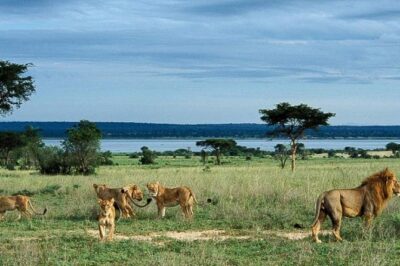
8-Day Murchison Falls, Chimp and Epic Gorilla Trekking Safari
Read our review →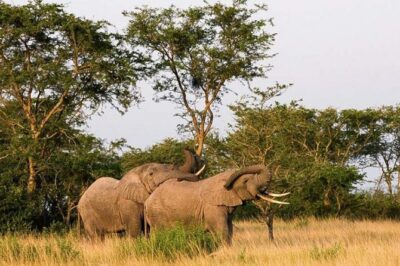
5-Day Pearl of Africa Chimps and Gorilla Trekking Safari
Read our review →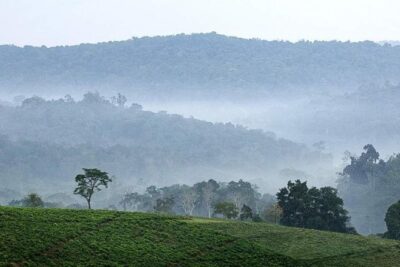
3-Day Tour to Uganda – Gorilla Trekking Bwindi Forest
Read our review →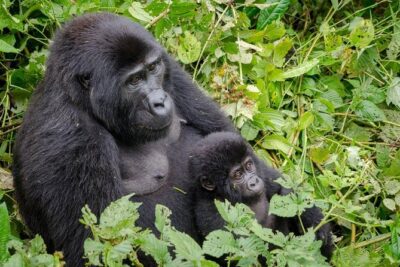
4-Day Uganda Gorilla Trekking and Wildlife Safari
Read our review →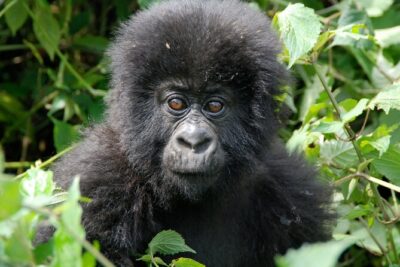
Private 3 Day Gorilla Trekking Safari in Uganda
Read our review →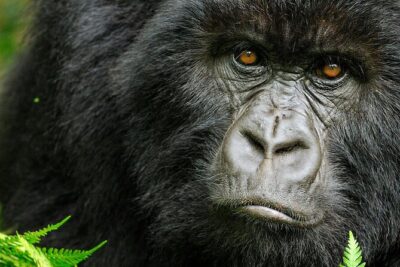
8-Day Murchison Falls, Chimp and Epic Gorilla Trekking
Read our review →Browse the lists this tour appears in